
 Online Shop
 English
 China - 简体中文
 Global - English
 Brazil - Português
 Netherlands - Dutch
 Italy - Italiano
 Germany - Deutsch
 Spain - Español
 France - Français
 Vietnam - Tiếng Việt
 Poland - Polski
 Australia - English
 Japan - 日本語
Bai Shuying — After-Sales Support Supervisor, Solar Inverter Products

Compact All-in-One Energy Storage for Flexible Solar Power
Modern households and small energy users are looking for more than a conventional solar inverter. They want a system that can use rooftop or balcony solar generation, store surplus electricity, provide backup power during outages, and remain simple enough to install without building a complex energy room. The SUN-BK(60-100)-2.0KWH-EU-AM2 product family is designed around this changing requirement.
This all-in-one energy storage system combines an inverter, a 2.0 kWh lithium iron phosphate battery, dual maximum power point trackers, intelligent battery management, and multiple operating modes in one compact floor-mounted unit. Three versions are available, with rated AC power outputs of 600 W, 800 W, and 1,000 W. This range allows users to select a power level that matches their household loads, photovoltaic capacity, and local installation requirements.
Rather than treating the inverter and battery as separate products, the system integrates them into a coordinated energy platform. This reduces the number of external components, simplifies wiring, improves installation efficiency, and makes the overall solution easier to operate. It is suitable for grid-connected applications, off-grid use, backup power, and portable energy scenarios.
The product is manufactured by Ningbo Deye Inverter Technology Co., Ltd., a technology manufacturing enterprise with activities covering research and development, design, production, sales, and service. The company has built product capabilities across photovoltaic inverters, energy storage systems, environmental appliances, energy management, and related power electronics. Its experience across these fields supports the development of compact energy systems that combine power conversion, battery management, communications, and user control.
For customers seeking a small but capable solar storage solution, the SUN-BK(60-100)-2.0KWH-EU-AM2 offers an attractive balance of compact construction, flexible operating modes, high-current photovoltaic compatibility, rapid transfer performance, and long-term battery durability.
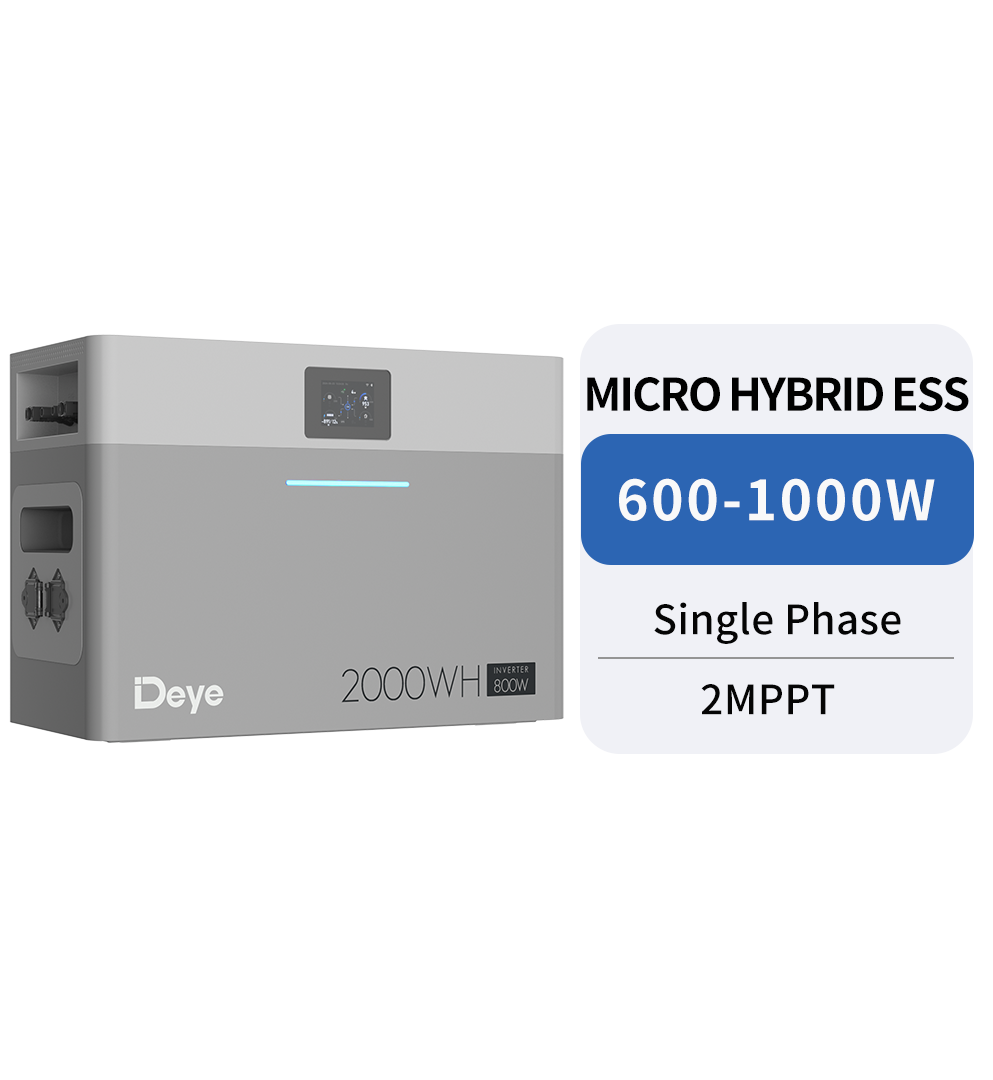
SUN-BK(60-100)-2.0KWH-EU-AM2
Why Compact Energy Storage Is Becoming More Important
Electricity consumption is becoming more variable. Homes may use power for refrigeration, communications, lighting, computing, heating, cooling, and electric mobility at different times of the day. Meanwhile, photovoltaic generation is generally strongest during daylight hours, while household demand may increase in the morning and evening.
A solar inverter without storage can convert solar electricity for immediate use, but surplus generation may be exported to the grid or curtailed when local consumption is low. Adding a battery allows more of the generated energy to be used later. This can improve the value of a small solar installation and provide a degree of energy independence.
Traditional storage systems often require a separate battery cabinet, standalone inverter, communication cables, protection devices, and additional installation space. This arrangement can offer flexibility, but it also increases design complexity. A homeowner or small business may need to coordinate multiple devices from different manufacturers, verify communication compatibility, and allocate additional wall or floor space.
The all-in-one approach addresses these challenges by combining the core energy conversion and storage functions in a coordinated package. The inverter and battery are selected to work together, and the system includes communications interfaces for monitoring and control. This design is especially useful where installation space is limited or where a simplified commissioning process is preferred.
The SUN-BK family is also suitable for portable use. Its integrated format and approximately 26 kg system weight make it more manageable than many larger residential battery systems, while its floor-mounted configuration avoids the need for a dedicated wall-mounted battery structure. The system is not intended to replace high-capacity commercial storage, but it provides a practical level of energy storage for smaller loads, backup applications, and distributed solar systems.
Product Family and Power Options
The product series consists of three models: SUN-BK60-2.0KWH-EU-AM2, SUN-BK80-2.0KWH-EU-AM2, and SUN-BK100-2.0KWH-EU-AM2. Their principal difference is the rated AC input and output power.
| Model | Rated AC Input/Output | Maximum AC Input/Output | Maximum PV Input Power | Maximum PV Access Power |
|---|---|---|---|---|
| SUN-BK60-2.0KWH-EU-AM2 | 600 W | 660 W | 960 W | 1,320 W |
| SUN-BK80-2.0KWH-EU-AM2 | 800 W | 880 W | 1,280 W | 1,760 W |
| SUN-BK100-2.0KWH-EU-AM2 | 1,000 W | 1,100 W | 1,600 W | 2,200 W |
The 600 W model can suit modest loads such as lighting, networking equipment, refrigeration, entertainment devices, and basic electronic appliances. The 800 W version provides additional operating headroom for users with higher simultaneous demand. The 1,000 W version is the strongest option in the series and is appropriate where the connected load and photovoltaic array require greater conversion capacity.
All three models share the same 2.0 kWh nominal battery energy, the same battery voltage range, the same dual-MPPT architecture, and the same general operating temperature range. This common platform simplifies product selection and allows installers to work with a consistent system design while matching output power to the application.
All-in-One Design and Installation Advantages
The most visible advantage of the system is its integrated construction. The inverter and battery are combined in a single unit rather than being supplied as unrelated components. This reduces the amount of equipment that must be positioned, connected, and configured at the installation site.
A compact design can produce several practical benefits. First, it reduces the physical footprint. The complete unit measures approximately 450 × 210 × 321 mm. Second, it can shorten installation time because the battery and inverter are already matched. Third, it can reduce the risk of selecting incompatible voltage, current, or communication components. Finally, it makes the system easier for users to understand because the principal functions are contained within one product family.
Plug-and-play design is particularly valuable for residential and small-scale applications. A system that requires fewer external assemblies can be more convenient for installers and more approachable for end users. The floor-mounted installation style also allows flexible placement in suitable indoor or protected locations, subject to local electrical, ventilation, temperature, and safety requirements.
Compared with a conventional multi-box arrangement, the product can offer a cleaner installation and a more direct service structure. A qualified installer can assess the complete system as one coordinated solution, while the customer can monitor the energy storage equipment through the available communications functions.
The integrated approach does not eliminate the importance of correct system design. Appropriate overcurrent protection, disconnects, grounding, cable sizing, photovoltaic configuration, and local grid compliance remain essential. However, the coordinated architecture reduces unnecessary complexity at the product level and gives installers a defined platform from which to build the system.
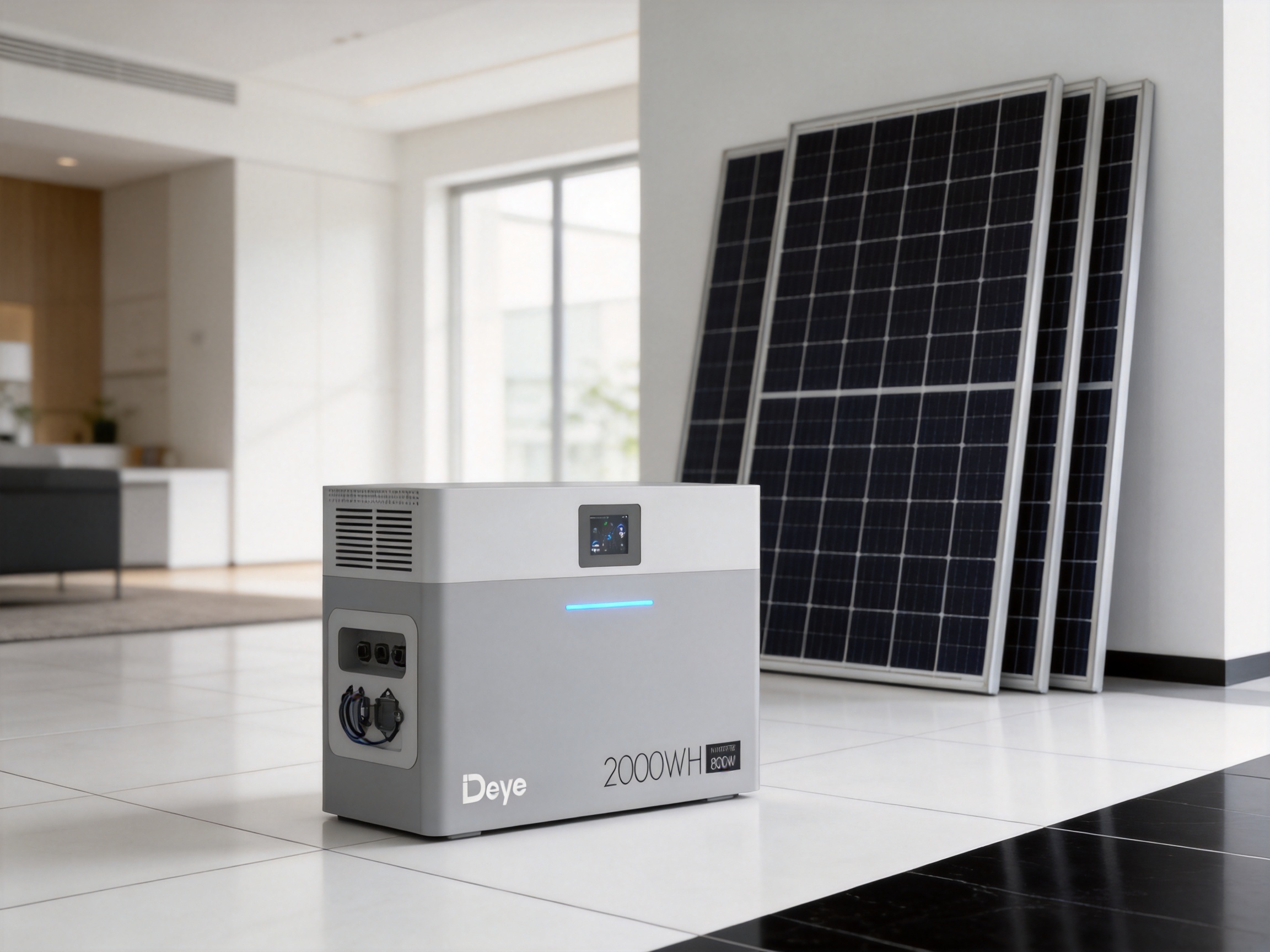
Dual MPPT Architecture for Flexible Solar Array Design
The system includes two independent maximum power point trackers, with one string assigned to each tracker. This is a significant advantage for solar installations in which panels cannot all face the same direction or receive identical sunlight conditions.
Each MPPT continuously seeks the operating point at which its connected photovoltaic string produces the greatest available power. With two independent trackers, one string can operate separately from the other. This may be useful when solar modules are installed on different roof sections, when one section experiences partial shading, or when two arrays have different orientations.
The PV input voltage range is 20 V to 55 V, with a rated input voltage of 42.5 V and a startup voltage of 25 V. The system supports a maximum operating input current of 18 A plus 18 A and a maximum short-circuit current of 27 A plus 27 A. This high-current compatibility enables the system to work with modern photovoltaic modules that can have higher operating current than older panel generations.
Module compatibility is becoming increasingly important. As photovoltaic manufacturers produce larger and more powerful modules, installers need inverters that can accept higher current without restricting the array design. The SUN-BK family’s 18 A operating current per tracker gives installers more flexibility when selecting compatible modules, while the short-circuit current rating provides an important design reference for array sizing.
The maximum photovoltaic input power varies by model. The 600 W version accepts up to 960 W of PV input power, the 800 W version accepts up to 1,280 W, and the 1,000 W version accepts up to 1,600 W. The separate maximum PV access power figures are higher, reaching 1,320 W, 1,760 W, and 2,200 W respectively. These figures allow the models to be paired with appropriately sized solar arrays and can help maintain useful generation across a wider range of weather and operating conditions.
PV array design should always be checked against the complete electrical specifications, local regulations, connector requirements, temperature-related voltage changes, and the module manufacturer’s data. Nevertheless, the dual-MPPT structure gives this product family an advantage over simpler single-tracker systems when the installation has multiple solar orientations or unequal sunlight exposure.
Battery Technology and Long-Term Energy Storage
The integrated battery uses lithium iron phosphate chemistry, commonly known as LiFePO4. This chemistry is widely used in stationary energy storage because it offers a favorable combination of thermal stability, cycle performance, and usable energy density.
The battery has a nominal energy capacity of 2,000 Wh and a nominal voltage of 51.2 V. Its operating voltage range is 44.8 V to 57.6 V. The battery specification lists a maximum charging and discharging current of 40 A, while the complete system specification lists a maximum charging and discharging current of 25 A for the inverter-battery system. These values should be interpreted according to the relevant system operating conditions and installation documentation.
The stated battery cycle life is at least 6,000 cycles under the specified test conditions of 25°C plus or minus 2°C, 0.5C charging and discharging, and 70 percent end-of-life capacity. Cycle life depends on temperature, depth of discharge, charging profile, discharge rate, storage conditions, and maintenance. Even so, the published cycle rating indicates that the battery is designed for repeated daily use rather than occasional emergency operation only.
The battery management system supports a self-adaptive charging strategy for lithium-ion batteries. This allows charging behavior to respond to battery management information and operating conditions. Effective battery management is essential for monitoring voltage, current, temperature, state of charge, and protection conditions. It also helps coordinate the battery with the inverter so that energy can be stored and delivered safely.
The battery is certified to UN38.3 and IEC 62619 requirements, with the battery unit also listed with CE certification. These certifications are important indicators that the battery has been evaluated against relevant transport, industrial battery safety, and market conformity requirements. They do not remove the need for proper installation, but they support confidence in the product’s safety design and manufacturing controls.
Fast Grid and Off-Grid Transition
One of the system’s notable operating features is its stated 4 ms on-grid and off-grid switching time. Rapid transfer is important for loads that are sensitive to interruptions, including communication equipment, routers, small computers, security systems, and selected home electronics.
During normal grid operation, the system can coordinate solar generation, battery charging, household consumption, and grid power. If the grid supply becomes unavailable, the system can transition to backup operation. The short transfer time helps reduce the visible interruption for suitable loads, although the actual result depends on the connected equipment, wiring arrangement, load type, and local installation configuration.
The product also provides off-grid peak power equal to twice the rated power for 10 seconds. This short-duration overload capability can help the system start or support loads with temporary inrush requirements. Motors, compressors, pumps, and other inductive equipment may draw significantly more power during startup than during normal operation. The peak capability can therefore improve practical usability for selected appliances.
Users should distinguish between short-term peak performance and continuous output. The 600 W, 800 W, and 1,000 W ratings are the continuous rated AC power levels. The two-times-rated-power specification applies only for the stated 10-second off-grid period and should not be treated as a continuous operating capacity.
The maximum continuous AC passthrough from grid to load is 10 A. This allows grid power to pass through to connected loads within the specified system limits. Proper load management remains necessary, especially when several appliances operate at the same time.
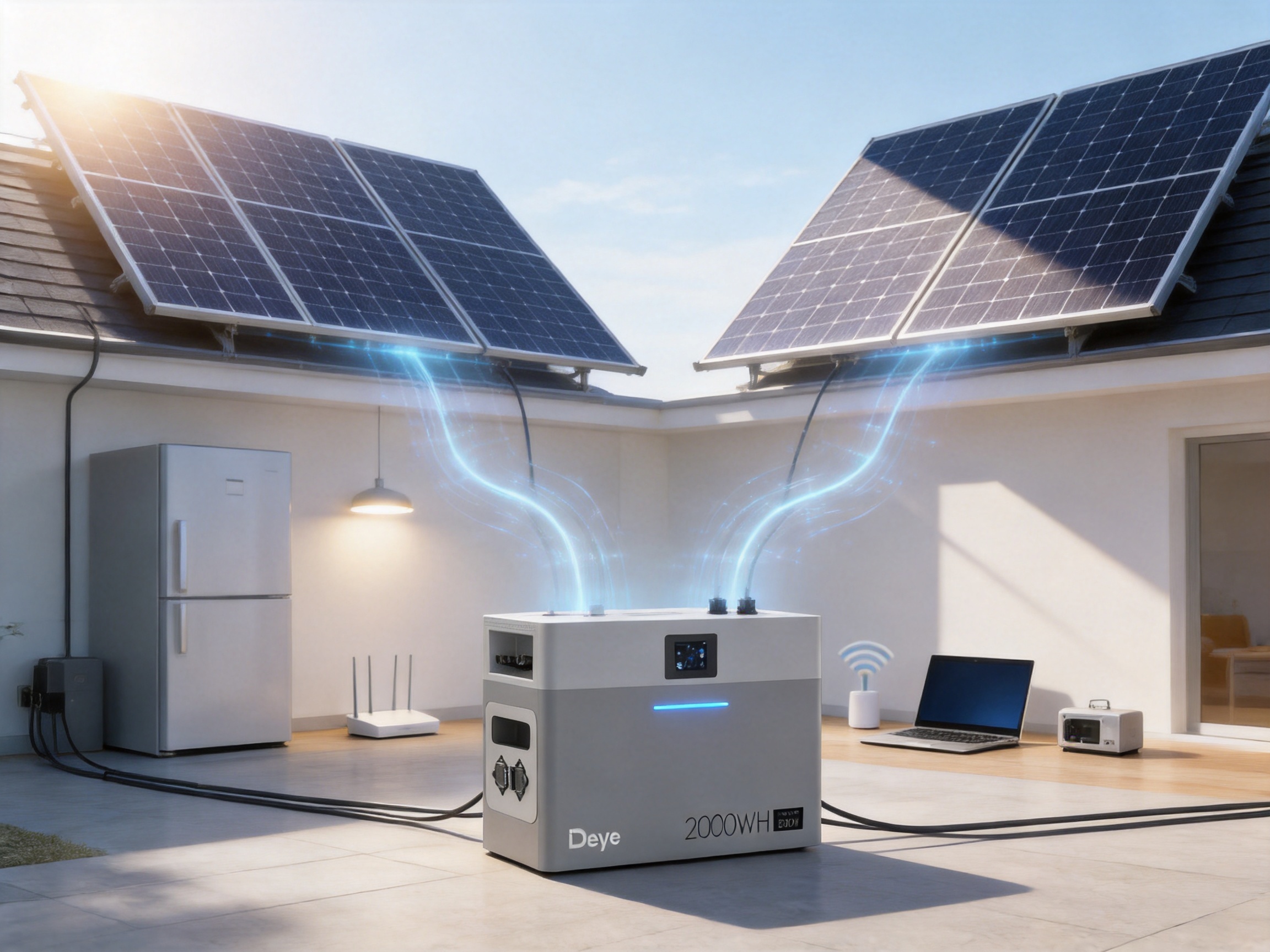
Multiple Operating Modes for Different Energy Priorities
The system supports grid-tied, off-grid, and AC-coupled operating modes. This flexibility allows it to serve different energy strategies rather than forcing every user into one fixed configuration.
Grid-Tied Operation
In grid-tied operation, photovoltaic energy can supply local loads, charge the battery, and interact with the utility grid according to the configured control strategy. When solar generation is greater than immediate demand, surplus energy can be directed to the battery or handled according to local grid and export settings. When solar production is insufficient, the battery or grid can provide the required energy.
This operating mode can help increase self-consumption. Instead of using solar power only when it is generated, the household can store part of the daytime production for later use. Depending on electricity tariffs and local regulations, the system may also support time-based energy management strategies.
Off-Grid Operation
In off-grid mode, the system can provide AC power without relying on a utility connection, provided that the photovoltaic array, battery capacity, and connected loads are correctly sized. This makes the product suitable for remote applications, backup power, temporary installations, and locations where grid access is unreliable or unavailable.
Because the battery energy is 2.0 kWh, off-grid users should prioritize essential loads and calculate runtime carefully. A low-power communication system or lighting circuit may operate for a significant period, while a high-power heating appliance or large motor will consume the stored energy much faster. The product is best understood as a compact energy center for controlled loads rather than a replacement for a large off-grid battery bank.
AC-Coupled Operation
AC coupling can be useful when integrating storage with an existing AC solar system or another AC power source, subject to compatibility and installation requirements. It may provide a pathway for adding storage without replacing every existing component. The suitability of AC coupling depends on system architecture, grid code, inverter compatibility, protection design, and the required control functions.
Having these operating modes in one product gives installers more design flexibility. It also allows the system to adapt as the customer’s energy requirements develop. For example, a user may begin with grid-connected self-consumption and later use the same system for backup or a more independent operating strategy.
Electrical Performance and European-Oriented Compatibility
The system is designed for single-phase operation and supports 220 V or 230 V AC at 50 Hz or 60 Hz within the specified frequency ranges. The AC connection uses line, neutral, and protective earth conductors. These characteristics make the product suitable for many residential and small commercial electrical environments, subject to local approval and installation rules.
Power factor adjustment is available from 0.8 leading to 0.8 lagging. Power factor capability allows the inverter to respond to grid support requirements and accommodate different types of loads. It can also help the system align with local utility expectations when reactive power management is required.
The stated DC injection current is below 0.5 percent of rated current. Limiting DC injection is important because excessive direct-current components on an AC network can affect electrical equipment and grid operation. This specification supports the product’s focus on controlled grid interaction.
The product documentation lists a broad range of grid regulations and standards, including VDE 4105, IEC 61727, IEC 62116, VDE 0126, AS 4777.2, CEI 0-21, EN 50549-1, G98, G99, C10-11, UNE 217002, and Brazilian standards NBR 16149 and NBR 16150. The applicable certification or configuration depends on the market and the exact model approval. Installers must verify the required national grid code before commissioning the unit.
| Performance Area | Published Specification |
|---|---|
| AC grid type | Single phase |
| AC voltage | 220/230 Vac |
| Frequency | 50 Hz or 60 Hz, within specified operating ranges |
| Peak off-grid power | Two times rated power for 10 seconds |
| Continuous AC passthrough | 10 A maximum, grid to load |
| Power factor adjustment | 0.8 leading to 0.8 lagging |
| Transfer time | 4 ms on/off-grid switching |
Monitoring, Communication, and User Visibility
Energy storage is more useful when users can understand how the system is operating. The product provides Wi-Fi and Bluetooth communication interfaces for inverter-level connectivity. These interfaces can support commissioning, local access, configuration, and monitoring, depending on the associated software and system arrangement.
The battery unit includes an LED display for state-of-charge and alarm information. This gives users a direct visual indication of basic battery status without requiring a separate display panel. The battery communication interfaces include CAN 2.0 and LoRa. CAN communication supports coordinated exchange of operating information between battery and inverter, while LoRa-based communication can support wireless energy management arrangements where compatible equipment is used.
Clear status information can simplify maintenance and improve user awareness. A customer can identify whether the battery is charged, whether an alarm is present, or whether the system requires attention. Installers can also use communication functions to review operating conditions during commissioning and service.
The manufacturer has developed a broader energy IoT ecosystem associated with cloud-based monitoring and control. This background is valuable because modern energy storage is no longer only a power conversion product. It is also a connected asset that can be monitored, adjusted, and integrated into wider energy management strategies.
Safety, Environmental Range, and Mechanical Construction
The complete system is designed to operate from -10°C to 50°C and at altitudes up to 2,000 meters. Permissible ambient humidity is listed as 15 percent to 85 percent without condensation. The battery section lists a relative humidity range of 0 percent to 95 percent without condensation.
These specifications allow the system to operate in a broad range of normal indoor and protected installation environments. However, location selection remains important. The unit should be protected from direct water exposure, excessive dust, corrosive substances, and temperatures outside the published range. Adequate clearance should be maintained for heat dissipation, inspection, and service access.
The system dimensions are approximately 450 × 210 × 321 mm, with an approximate weight of 26 kg. The battery module is listed at approximately 20 kg and has dimensions of 450 × 210 × 244 mm. The compact dimensions are helpful where space is limited, while the floor-mounted configuration can simplify placement compared with products that require structural wall reinforcement.
Safety and electromagnetic compatibility standards listed for the inverter include IEC/EN 62109-1, IEC/EN 62109-2, and the IEC/EN 621000-6 series as specified in the product information. Battery certifications include UN38.3 and IEC 62619. These standards address important aspects of power conversion safety, electromagnetic compatibility, and battery safety.
A ten-year warranty is listed for both the complete system and the battery specification. Warranty terms, exclusions, installation requirements, and regional service conditions should be confirmed with the supplier or authorized distributor before purchase. A long warranty period can be an important consideration for customers evaluating the total lifetime value of a storage system.
Manufacturing Strengths and Engineering Capability
The quality of an all-in-one energy storage system depends on more than its published electrical ratings. The product must combine power electronics, battery cells, battery management, thermal design, communications, firmware, mechanical construction, and regulatory compliance. Manufacturing strength is therefore closely connected with the ability to coordinate multiple engineering disciplines.
Ningbo Deye Inverter Technology Co., Ltd. operates as a comprehensive technology manufacturing enterprise covering research and development, design, production, sales, and service. This integrated business structure can support faster communication between engineering and production teams. It also enables product improvements to be evaluated across the complete lifecycle, from initial design to field service.
The company has experience in several related product areas, including string inverters, energy storage inverters, microinverters, battery systems, commercial and industrial storage, electric vehicle charging solutions, and environmental appliances. This broad product portfolio provides a strong foundation in power conversion, thermal management, digital control, electrical protection, and system integration.
An advanced manufacturing process for energy storage equipment should include controlled design verification, component qualification, electrical testing, battery management validation, communications testing, safety checks, and final performance inspection. The certifications and standards associated with the product indicate that these areas are addressed within the product development and conformity process.
Manufacturing consistency is especially important for an integrated system. The battery and inverter must communicate correctly, voltage and current limits must be coordinated, and protection responses must be predictable. Producing a matched product family allows the manufacturer to control the relationship between these subsystems rather than leaving all compatibility decisions to the installer.
The company’s international market experience is another strength. Its products are sold in more than 140 countries and regions, requiring awareness of different grid structures, technical standards, climatic conditions, installation practices, and customer expectations. This global exposure can contribute to more adaptable product engineering and broader service knowledge.
Being listed on the Shanghai Stock Exchange since April 2021 also reflects a substantial corporate structure and a formal operating environment. Corporate scale alone does not guarantee product performance, but it can support investment in research, testing, manufacturing capacity, supply-chain management, and after-sales service.
The company’s emphasis on research and development is relevant to this product because residential energy storage is evolving quickly. Higher-current solar modules, changing grid requirements, wireless monitoring, time-of-use electricity pricing, and distributed energy management all require continued firmware and hardware development. A manufacturer with capabilities across inverters and ESS can respond to these trends with a more complete understanding of the energy system.
Advantages Compared with Conventional Alternatives
The product’s competitive advantages are most apparent when it is compared with conventional small solar installations or loosely integrated storage combinations.
Compared with a Solar-Only Inverter
A solar-only inverter can convert photovoltaic energy but generally cannot store surplus production for later use. The all-in-one system adds 2.0 kWh of battery storage, enabling solar energy to be shifted from the time of generation to the time of consumption. It also provides backup and off-grid capability when correctly installed and configured.
Compared with Separate Inverter and Battery Products
Separate products can provide greater modularity, but they often require more design work, additional communication interfaces, and more installation space. The SUN-BK family combines the main functions in one coordinated enclosure, reducing component count and simplifying the installation concept.
Compared with Single-MPPT Compact Systems
Two independent MPPTs provide better flexibility for arrays with different orientations or partial shading patterns. A single-MPPT system may be less suitable when the available roof or balcony space does not allow all modules to operate under the same sunlight conditions.
Compared with Lower-Current PV Inputs
The 18 A operating current per MPPT supports compatibility with higher-current PV modules. This can give installers more choice as module technology continues to develop and can reduce the risk that the inverter becomes the limiting factor in a small solar array.
Compared with Basic Backup Units
The product is more than a simple battery backup. It combines grid-tied, off-grid, and AC-coupled modes, supports photovoltaic input, includes battery management, and provides a stated 4 ms transfer time. These characteristics make it suitable for a wider range of energy strategies.
Compared with Larger Residential Battery Cabinets
Larger battery cabinets may provide more energy capacity, but they also occupy more space and may be excessive for small households or targeted backup loads. A 2.0 kWh integrated system can be a more proportionate solution when the primary objective is essential-load backup, solar self-consumption, or portable energy support.
These advantages should be evaluated against the actual application. Users with large electric heating loads, high-capacity pumps, electric vehicle charging, or extended off-grid requirements may need a larger system or multiple units. The strength of the SUN-BK family is its balance of compactness, flexibility, and integrated functionality.
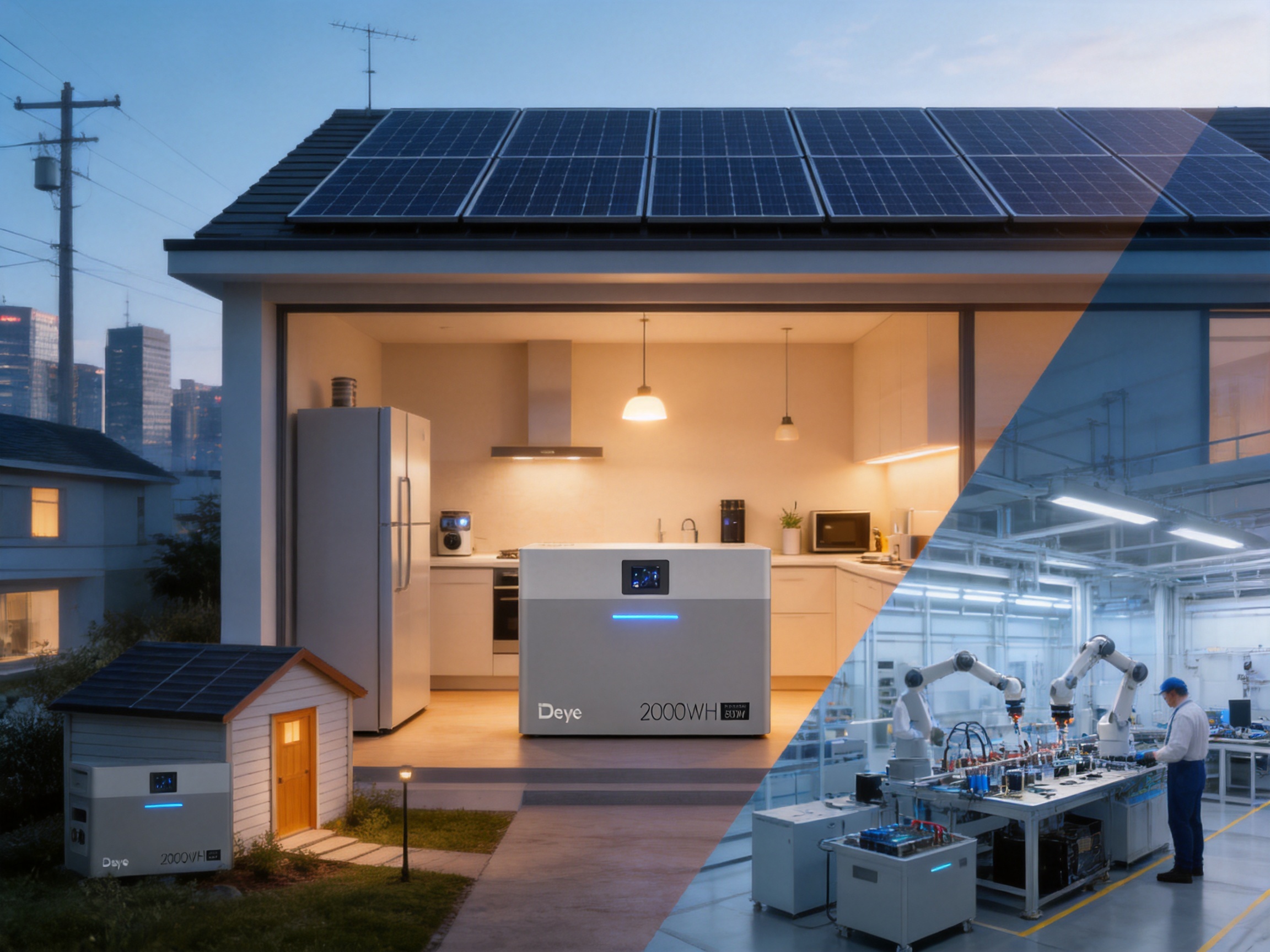
Typical Applications
Balcony and Small Rooftop Solar
The system is well suited to small photovoltaic installations where available panel area is limited. Dual MPPT inputs can accommodate two panel groups, while the built-in battery stores energy that would otherwise be unused during periods of low household demand.
Essential-Load Backup
For backup operation, the system can support selected circuits such as lighting, internet equipment, refrigeration, security devices, and communication equipment. Users should identify essential loads in advance and avoid connecting appliances whose continuous or starting power exceeds the applicable system limits.
Portable and Temporary Power
The compact floor-mounted format can support temporary energy needs in suitable environments. It may be used for field work, mobile operations, remote communications, small equipment, or temporary facilities, provided that the photovoltaic, AC, and load connections are designed in accordance with safety requirements.
Small Off-Grid Sites
Remote cabins, monitoring stations, small workshops, and other low-power sites may benefit from a system that combines solar input and battery storage. The 2.0 kWh capacity is most effective when loads are carefully managed and energy consumption is predictable.
Existing AC Energy Systems
The AC-coupled capability may help users add storage to an existing AC-based solar or energy system. Compatibility must be checked before installation, but the operating mode offers an additional pathway for system expansion.
System Selection and Installation Considerations
Choosing among the 600 W, 800 W, and 1,000 W versions should begin with a load assessment. Users should identify the continuous power demand, starting currents, daily energy consumption, and the loads that must remain operational during a grid outage.
The photovoltaic array should be evaluated according to voltage, operating current, short-circuit current, total power, orientation, shading, and ambient temperature. The array must remain within the MPPT voltage range and current limits under all expected operating conditions. A qualified installer should check the cold-weather open-circuit voltage because PV voltage can rise as temperature falls.
Battery runtime depends on the connected load and system efficiency. A 2.0 kWh nominal battery does not mean that every application can continuously draw 2.0 kWh at the AC output. Conversion losses, reserve capacity, battery protection limits, temperature, and operating strategy all affect usable energy.
Installation should comply with local electrical codes and grid interconnection requirements. Protective earth, overcurrent protection, isolation, cable routing, connector quality, and environmental conditions must be addressed. The product should be installed where it can remain within the specified temperature and humidity range and where service access is available.
Commissioning should include verification of the battery communication link, PV polarity, grid parameters, output configuration, operating mode, and monitoring connection. Correct commissioning is essential for both safety and performance.
Frequently Asked Questions
What is the SUN-BK(60-100)-2.0KWH-EU-AM2?
It is a compact all-in-one energy storage system that integrates a solar inverter and a 2.0 kWh LiFePO4 battery. The product family includes 600 W, 800 W, and 1,000 W rated AC versions.
Can the system operate without the utility grid?
Yes. It supports off-grid operation when the photovoltaic array, battery, connected loads, and installation configuration are properly designed. The system can provide backup or independent power for suitable loads.
What photovoltaic input does it support?
The system has two independent MPPTs, with one string per tracker. The MPPT voltage range is 20 V to 55 V, and the maximum operating current is 18 A plus 18 A. The exact maximum PV power depends on the model.
What battery chemistry is used?
The battery uses lithium iron phosphate chemistry. The nominal battery energy is 2,000 Wh, and the nominal voltage is 51.2 V.
How quickly can it switch between grid and backup operation?
The published transfer time is 4 milliseconds for on-grid and off-grid switching. Actual performance can depend on the load, installation arrangement, and equipment connected to the output.
Can it support loads with high startup current?
The system provides off-grid peak power equal to two times the rated power for 10 seconds. This can help with selected startup loads, but users must confirm that the appliance’s continuous and inrush requirements are within the applicable limits.
Does it support different solar panel orientations?
Yes. The two independent MPPTs allow two PV strings to operate separately. This can be beneficial when panels are installed on different roof faces or experience different shading conditions.
Can the battery be expanded?
The battery specification lists a parallel capability of up to five units. Expansion must follow the manufacturer’s approved configuration, communication requirements, protection design, and installation instructions.
How is the system monitored?
The inverter provides Wi-Fi and Bluetooth interfaces. The battery includes an LED display for state-of-charge and alarm information and supports CAN 2.0 and LoRa communication.
What is the operating temperature range?
The published operating temperature range is -10°C to 50°C. The system should be installed in a location that remains within this range and is protected from condensation, water exposure, and unsuitable environmental conditions.
Is the product suitable for European markets?
The product specifications include 220/230 V single-phase operation and list several European grid regulations and standards, including VDE, EN, G98, G99, CEI 0-21, and UNE requirements. The exact approval must be verified for the intended country and model before installation.
What warranty is provided?
A ten-year warranty is listed for the system and battery specifications. Customers should confirm the detailed warranty terms, registration requirements, installation conditions, and regional service arrangements with the supplier.
Conclusion
The SUN-BK(60-100)-2.0KWH-EU-AM2 family addresses the demand for compact, flexible, and easy-to-deploy solar energy storage. Its all-in-one architecture combines inverter functionality and a 2.0 kWh LiFePO4 battery, while three AC power options allow the product to serve different load requirements.
Dual independent MPPTs, compatibility with 18 A photovoltaic modules, multiple operating modes, 4 ms transfer performance, and short-duration off-grid peak power give the system capabilities beyond those of a basic solar inverter or simple backup battery. Wi-Fi, Bluetooth, CAN, LoRa, and LED status information provide several ways to monitor and manage the equipment.
The product also benefits from the manufacturer’s broad experience in photovoltaic inverters, energy storage, power electronics, connected energy management, and international markets. A comprehensive structure covering research and development, design, production, sales, and service supports the coordination required to manufacture a reliable integrated energy system.
For balcony solar, small rooftops, essential-load backup, portable applications, and modest off-grid installations, the product offers a practical balance between energy capacity and physical size. Its value is strongest when the system is correctly matched to the solar array, daily consumption, and backup priorities. With professional installation and appropriate load management, it can help users make greater use of solar energy while improving resilience during grid interruptions.
References
1. Product technical specifications for the SUN-BK60-2.0KWH-EU-AM2, SUN-BK80-2.0KWH-EU-AM2, and SUN-BK100-2.0KWH-EU-AM2 models.
2. Battery technical specifications for the AE-F2.0 LiFePO4 energy storage battery.
3. IEC/EN 62109-1 and IEC/EN 62109-2, Safety of Power Converters for Use in Photovoltaic Power Systems.
4. IEC 62619, Safety Requirements for Secondary Lithium Cells and Batteries for Use in Industrial Applications.
5. UN38.3, Recommendations on the Transport of Dangerous Goods: Manual of Tests and Criteria.
6. IEC 61727 and IEC 62116, Photovoltaic Power Systems and Utility Interface Requirements.
7. EN 50549-1, Requirements for the Connection of Generators in Parallel with Public Distribution Networks.
8. Manufacturer company information concerning research and development, production, product certification, energy storage systems, and international operations.
Product: SUN-BK(60-100)-2.0KWH-EU-AM2

PREV:Module-Level Solar Optimization for Higher Yield, Safer Shutdown, and Smarter PV Monitoring
NEXT:High-Performance Single-Phase Microinverters for Modern Solar Installations
Share
Product recommendations
news recommendations
-
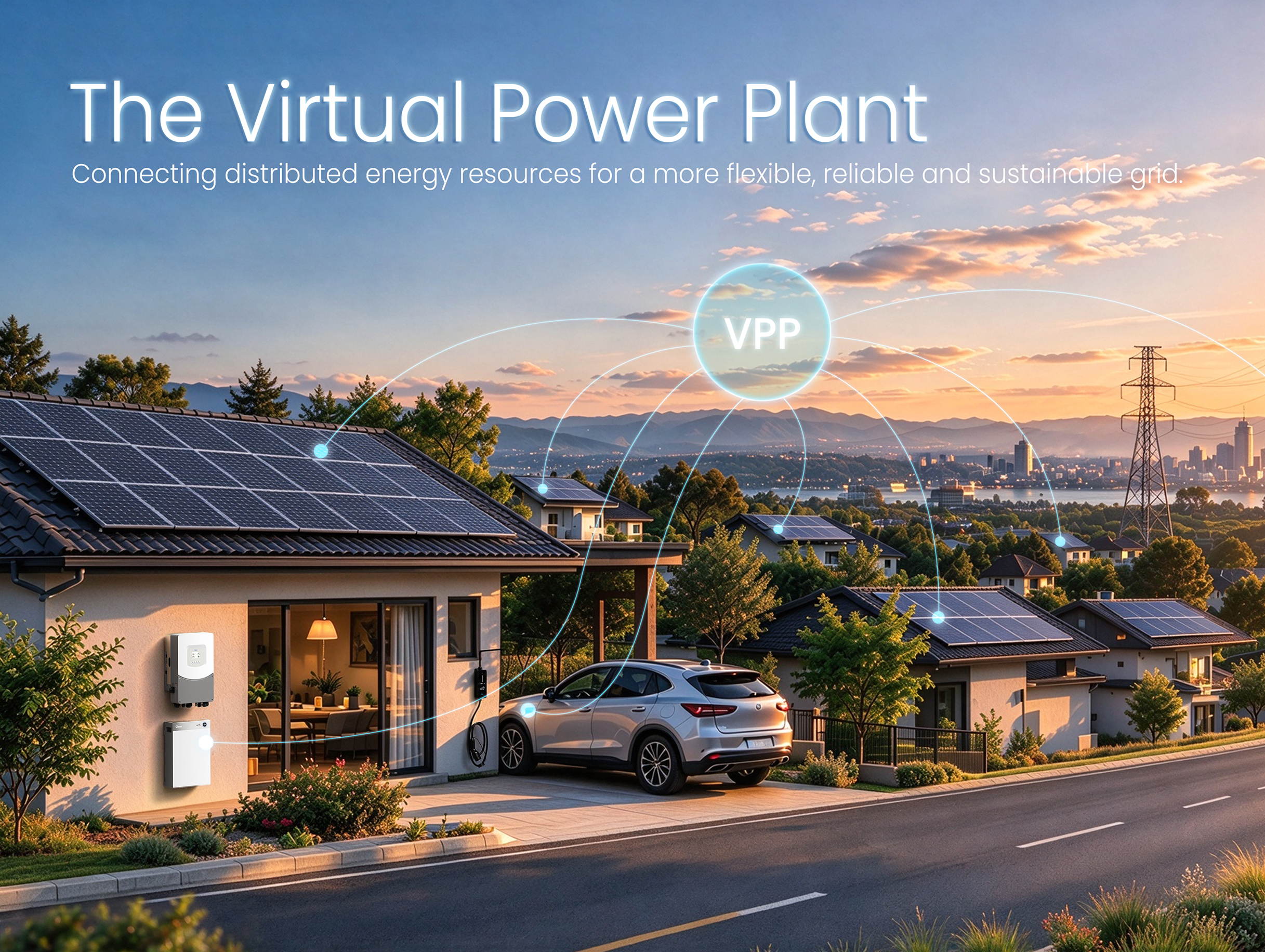 From Centralized Grids to Virtual Power Plants: The Next Evolution of the Power System
For more than a century, power systems around the world have relied on a centralized model. Large p...
-
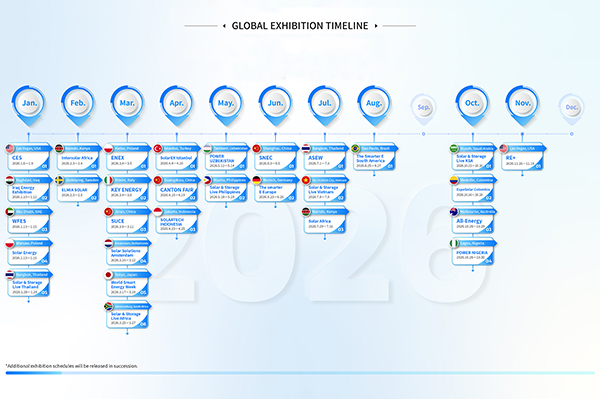 GLOBAL EXHIBITION TIMELINE
*Click to view larger image
-
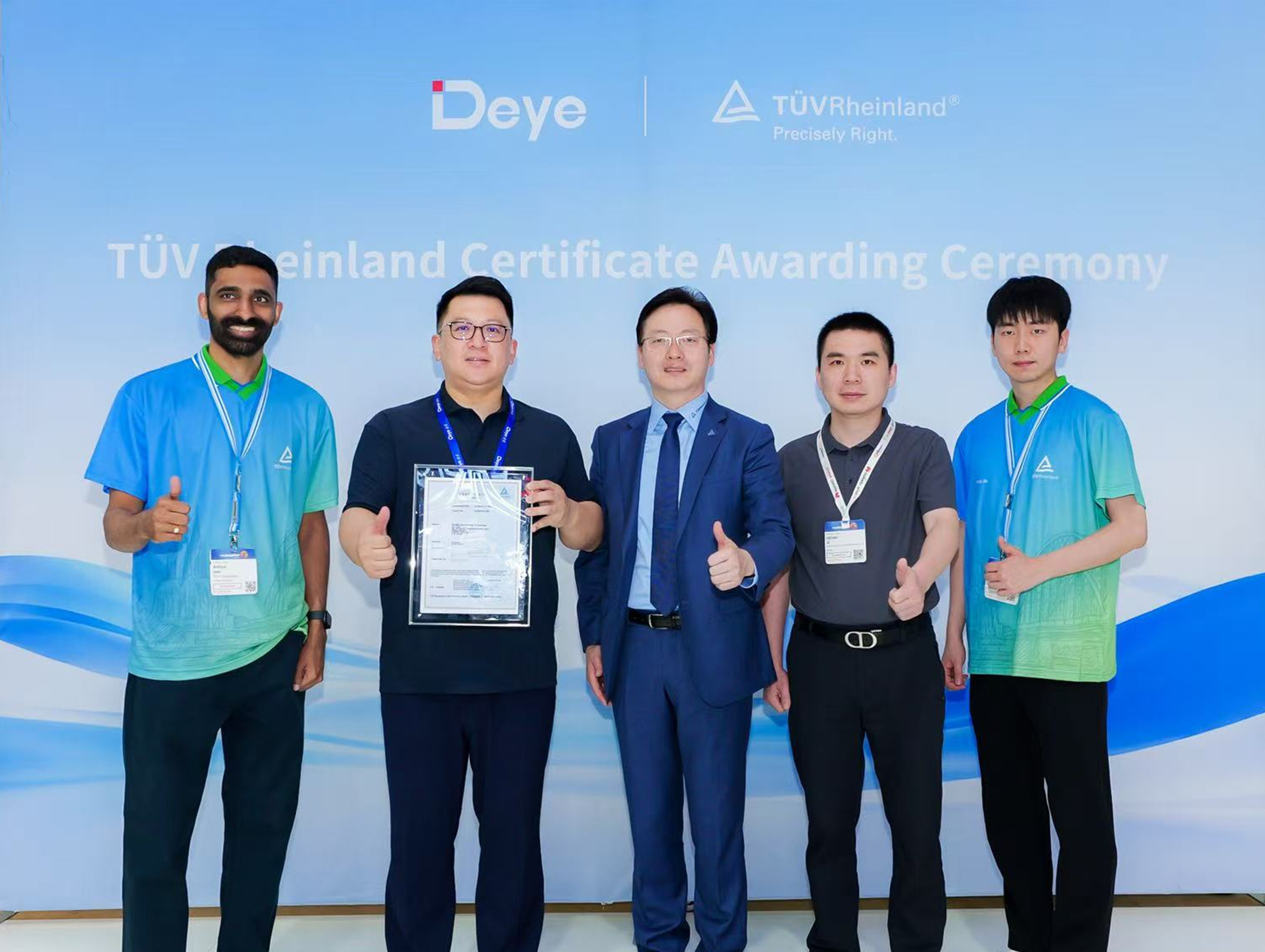 Deye Secures Multiple TÜV Rheinland Certifications at The smarter E Europe
On June 23, the opening day of The smarter E Europe 2026, Deye was officially awarded several presti...

Copyright@ 2024.Ningbo Deye Inverter Technology Co.,Ltd. All rights reserved. Solar Inverter Manufacturer
