
 Online Shop
 English
 China - 简体中文
 Global - English
 Brazil - Português
 Netherlands - Dutch
 Italy - Italiano
 Germany - Deutsch
 Spain - Español
 France - Français
 Vietnam - Tiếng Việt
 Poland - Polski
 Australia - English
 Japan - 日本語
Company News

From Centralized Grids to Virtual Power Plants: The Next Evolution of the Power System
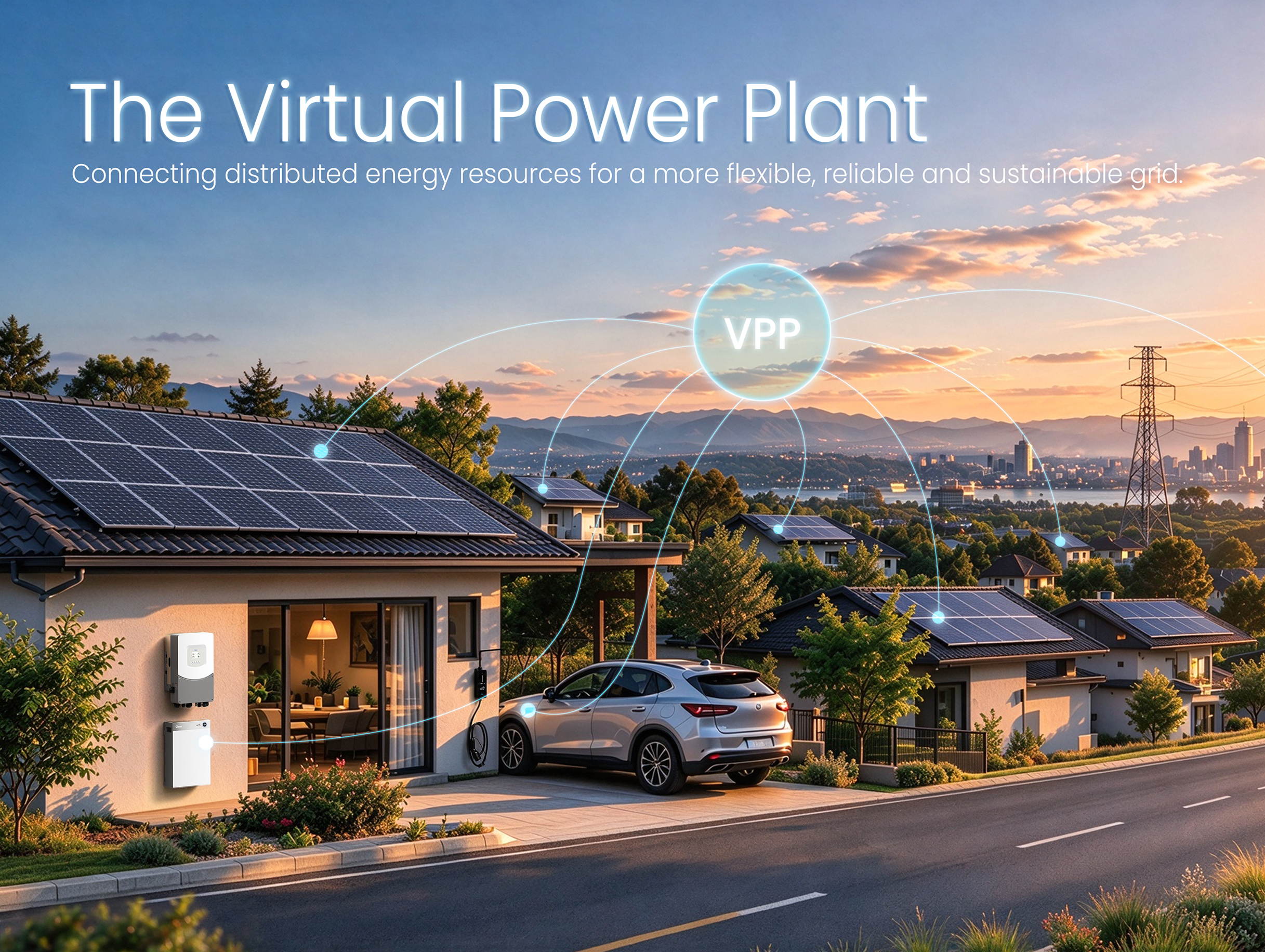
For more than a century, power systems around the world have relied on a centralized model. Large power plants generated electricity, transmission networks carried it over long distances, and consumers simply used the energy delivered to them.This model helped drive industrial growth, but the energy landscape is changing rapidly.Today, millions of solar panels, battery systems, electric vehicles, and smart devices are being installed closer to where energy is consumed. Instead of a one-way flow of electricity, energy is increasingly moving in multiple directions. Consumers are becoming “prosumers” who can both consume and produce power.This transformation is giving rise to a new concept: the Virtual Power Plant (VPP).
What Is a Virtual Power Plant?
A Virtual Power Plant is a network of distributed energy resources, such as residential solar systems, batteries, EV chargers, and other flexible energy assets, that are digitally connected and intelligently coordinated. Instead of operating as isolated devices, these distributed resources can be aggregated and managed as a single flexible energy asset, responding to changes in electricity generation, consumption, and grid demand.
Why Do We Need VPP?
VPPs create value at both the household and grid levels. For households, VPPs enable solar, batteries, and other energy assets to work more intelligently, helping optimize energy use, reduce electricity costs, increase energy self-sufficiency, and unlock additional value from flexible energy resources. At the grid level, the growing adoption of renewable energy and distributed generation is making electricity supply more variable and increasing the need for flexibility. By coordinating thousands of distributed energy resources, VPPs can help balance supply and demand, reduce peak pressure, integrate more renewable energy, and support a more flexible and resilient power system.
Deye and the VPP Opportunity in South Africa
In 2026, Deye partnered with South African energy technology company Plentify as its exclusive local VPP partner, exploring how Deye residential batteries already installed across the country could be integrated into Plentify’s VPP platform. It is estimated that around 160,000 Deye residential batteries, representing approximately 2.7 GWh of potential storage capacity, will eventually be coordinated through the platform. This partnership highlights the emerging potential of residential batteries as a flexible energy resource.The example demonstrates how a large installed base of residential batteries could evolve from individual backup systems into a coordinated energy resource. Rather than requiring new centralized infrastructure, VPPs can build flexibility by connecting distributed energy assets that are already installed across homes.
VPPs in Australia: Turning Flexibility into Value
Australia highlights another opportunity for VPPs: how VPPs can create value from distributed energy resources. Deye establishes VPP partnerships with Australian energy companies including Discover Energy and others. Through these partnerships, Deye residential energy systems can be integrated into VPP operations, enabling distributed batteries to participate in broader energy management and market activities.By connecting residential batteries to VPP platforms, households can potentially make better use of surplus solar energy, optimize their electricity consumption, and access energy-market opportunities that would be difficult for an individual battery to reach on its own. This demonstrates how VPPs can turn distributed energy flexibility into practical value, creating benefits for both energy users and the wider power system.
VPPs in Europe: Connecting Distributed Energy to Local Markets
Europe represents a diverse and complex VPP landscape, with different countries operating under distinct electricity markets, regulations, pricing mechanisms, and grid requirements. This makes local market integration and interoperability increasingly important for scaling VPPs across the region.
Deye further expanded its VPP ecosystem in Europe through partnerships with local VPP and energy technology companies. Deye has established partnerships with Axle, Beebop, Phage Energy, and UltimateBox, with its VPP initiatives now covering multiple European markets, including the UK, France, Germany, Spain, Belgium, the Netherlands, Italy, Poland, and Ukraine. Deye is also working with other local VPP partners to connect more distributed energy assets across the region, unlock their flexibility, and contribute to a more intelligent and resilient energy system.
PREV:No previous article
NEXT: Deye Secures Multiple TÜV Rheinland Certifications at The smarter E Europe
Share
Product recommendations
news recommendations
-
 From Centralized Grids to Virtual Power Plants: The Next Evolution of the Power System
For more than a century, power systems around the world have relied on a centralized model. Large p...
-
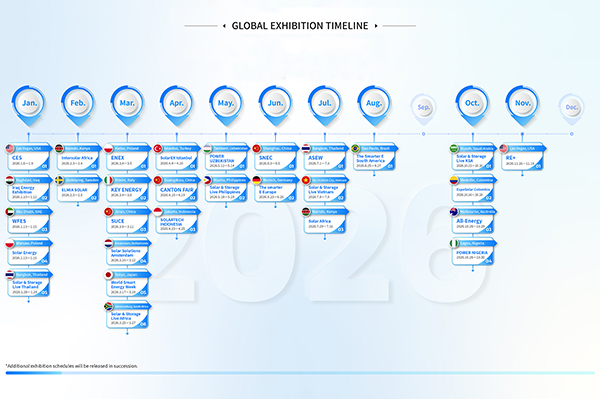 GLOBAL EXHIBITION TIMELINE
*Click to view larger image
-
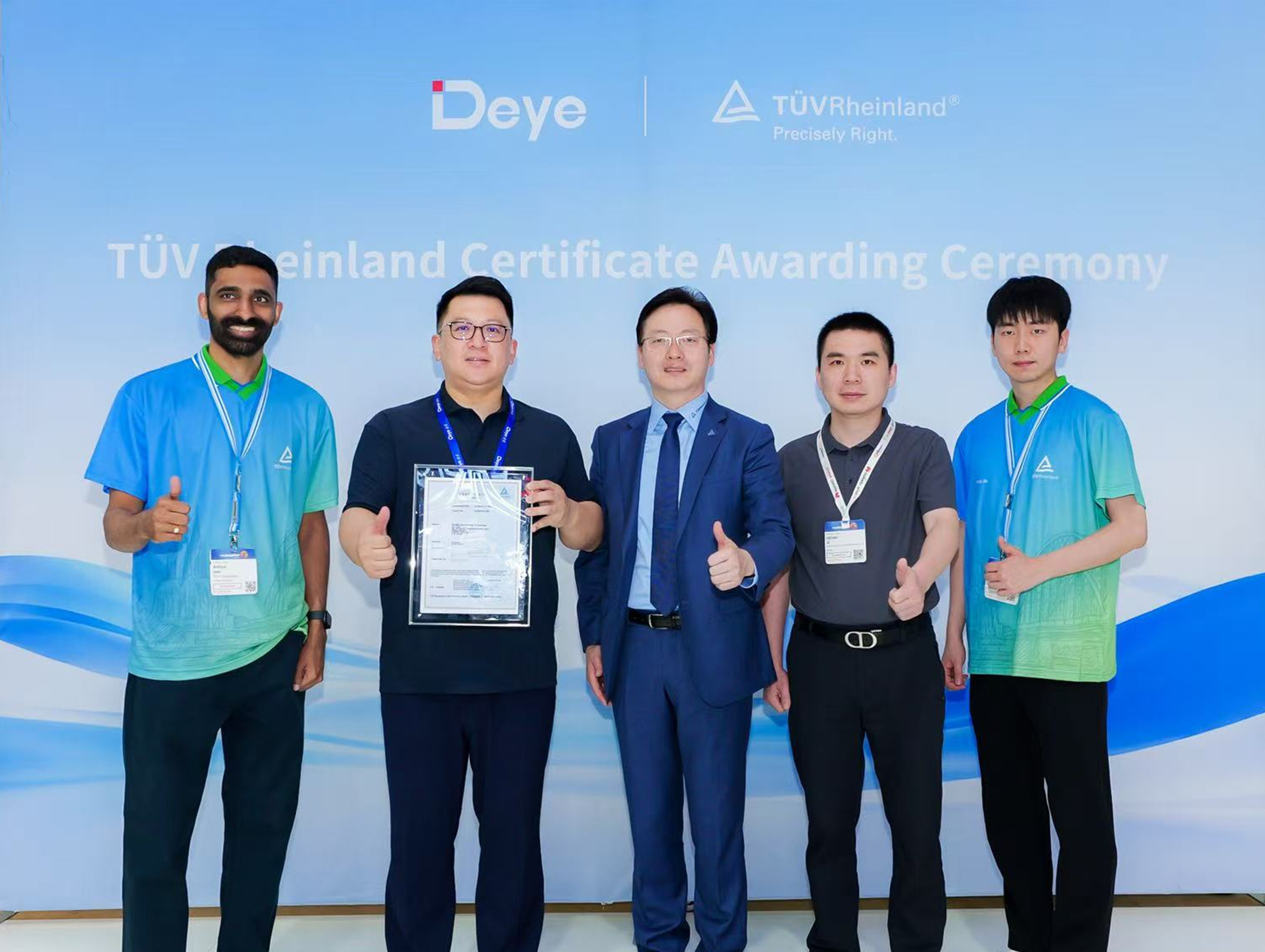 Deye Secures Multiple TÜV Rheinland Certifications at The smarter E Europe
On June 23, the opening day of The smarter E Europe 2026, Deye was officially awarded several presti...

Copyright@ 2024.Ningbo Deye Inverter Technology Co.,Ltd. All rights reserved. Solar Inverter Manufacturer
