
 Online Shop
 English
 China - 简体中文
 Global - English
 Brazil - Português
 Netherlands - Dutch
 Italy - Italiano
 Germany - Deutsch
 Spain - Español
 France - Français
 Vietnam - Tiếng Việt
 Poland - Polski
 Australia - English
 Japan - 日本語
Luo Qinxue — Regional Sales Manager, On-Grid Inverter Solutions

Module-Level Solar Optimization for Higher-Yield, Safer Photovoltaic Systems
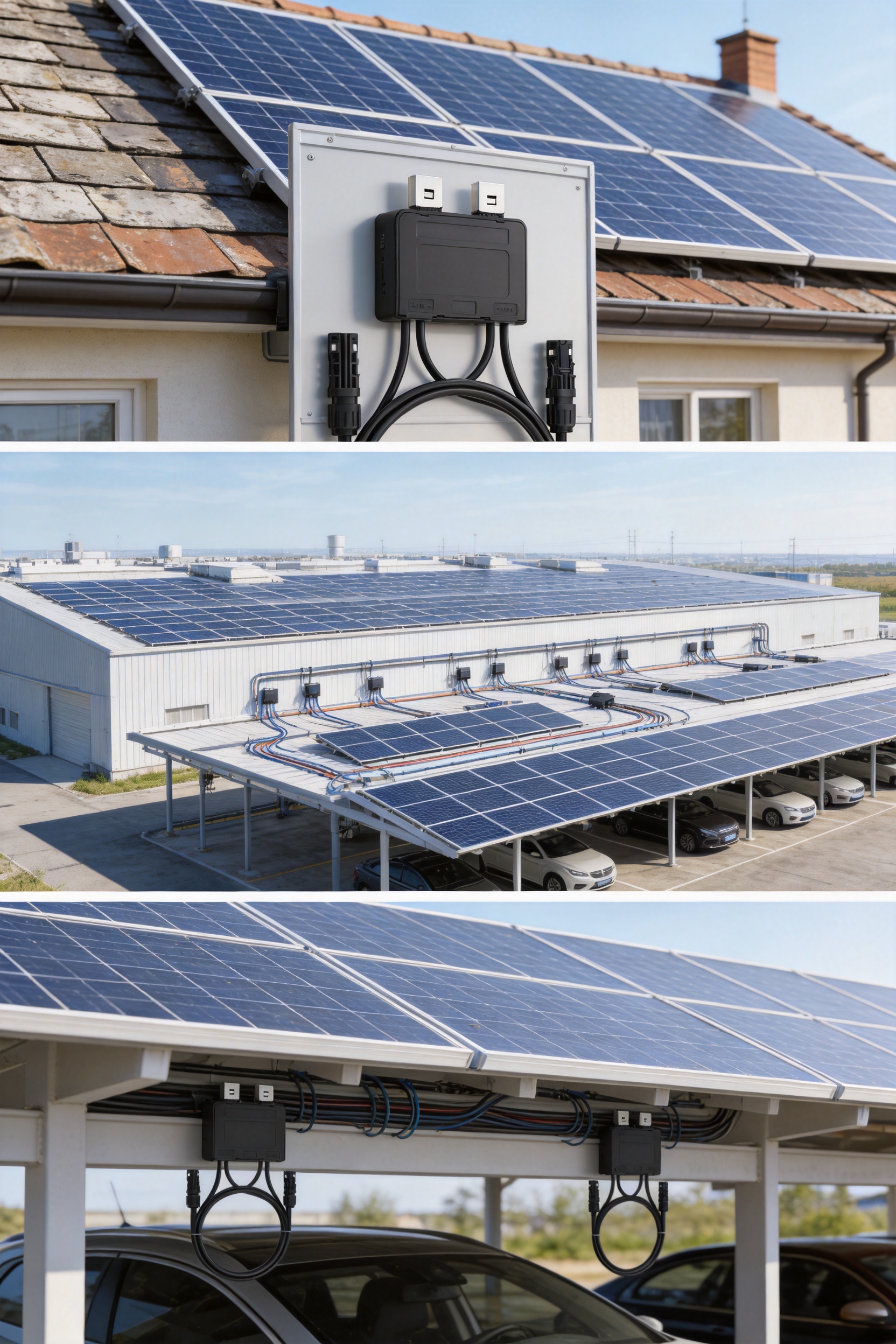
Modern photovoltaic installations are expected to deliver more energy from every available roof, façade, carport, and ground-mounted array. However, the performance of a solar system is rarely determined only by the rated power of its modules. Shade, mismatched modules, different orientations, dirt, aging, temperature variation, and localized faults can cause individual panels to operate below their potential. In a conventional string architecture, the weakest operating conditions within a string may influence the performance of the entire group of modules.
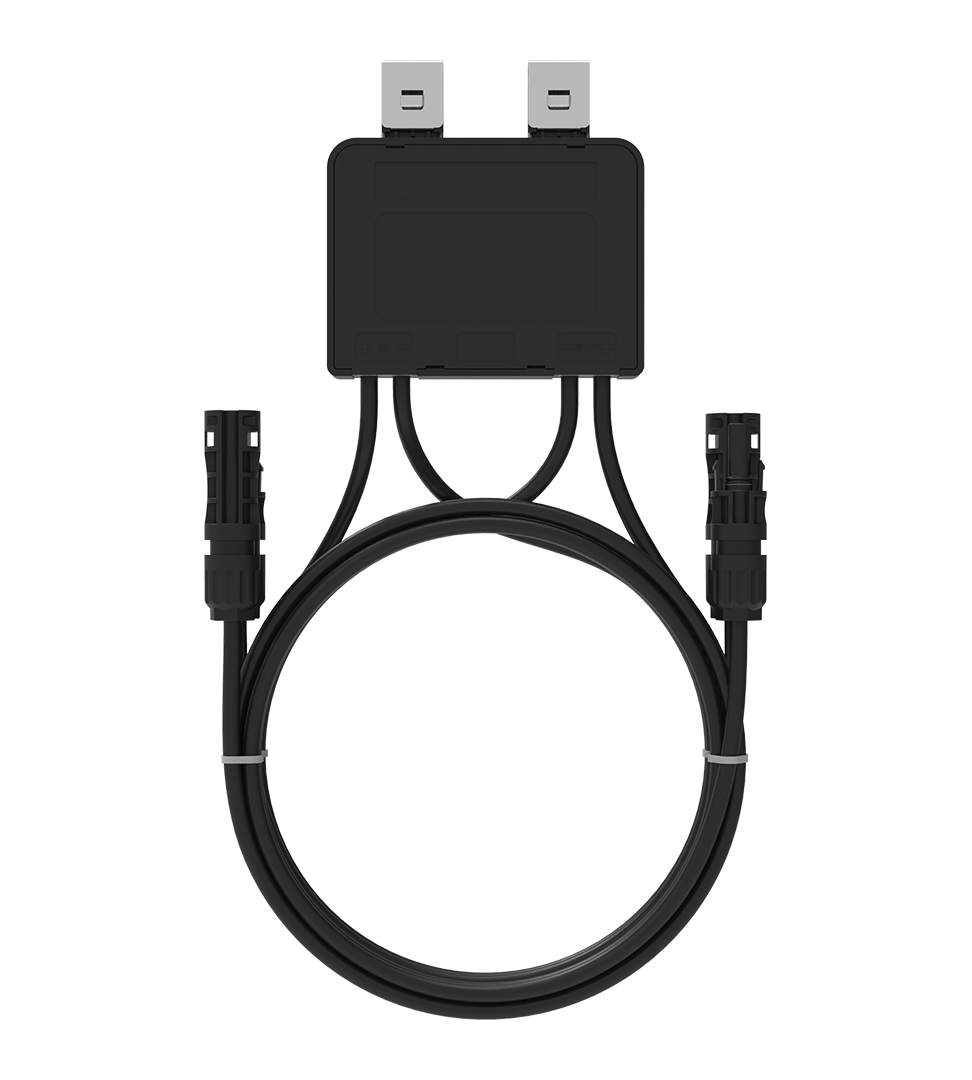
The SUN-XL02-B is a module-level photovoltaic optimizer designed to address these challenges. Positioned between a solar module and the wider photovoltaic system, it performs module-level maximum power point tracking, supports real-time module monitoring, enables photovoltaic cable carrier communication, and provides a rapid shutdown function when used with compatible optimizer concentrators. With a maximum input power of 700 W, a maximum input voltage of 80 V, a peak conversion efficiency of 99.5%, and an IP68 enclosure, the device is designed for demanding residential, commercial, and distributed solar applications.
Its compact construction and broad operating temperature range further support installation in outdoor environments. The optimizer measures 105 × 105 × 22 mm, weighs approximately 660 g, and uses MC4 or MC4-compatible connectors. These specifications allow system designers to improve module-level energy harvesting without introducing a large, complex device at every point in the solar installation.
Why Module-Level Optimization Matters
A photovoltaic module does not always operate under the same conditions as the modules around it. A nearby tree may shade one panel during the morning, while a chimney may shade another in the afternoon. On a commercial roof, arrays may be installed on multiple roof sections with different orientations and tilt angles. Dust accumulation, bird droppings, snow, partial obstruction, and module aging can also create differences between otherwise identical panels.
Traditional string inverters generally manage the output of a group of modules connected in series. String-level maximum power point tracking can be effective when all modules have similar conditions, but it may be less effective when module behavior varies considerably. A module operating below its ideal point can influence the electrical behavior of the string, potentially reducing the energy contribution of neighboring modules.
A module-level optimizer changes this operating model. Each optimizer is connected to an individual photovoltaic module and performs local power optimization. Instead of treating the entire string as a single electrical unit, the system can respond more precisely to the conditions affecting each module. This approach is particularly useful where uniformity cannot be guaranteed.
The manufacturer states that module-level maximum power point tracking can increase power generation by approximately 5% to 25%. The actual improvement depends on site conditions, including shading, module mismatch, array orientation, temperature, soiling, and the performance of the original system. Systems with frequent partial shading or significant module variation may have more potential for improvement than highly uniform, unshaded arrays.
Core Product Advantages
Module-Level Maximum Power Point Tracking
The primary function of the SUN-XL02-B is module-level maximum power point tracking, commonly known as MPPT. A photovoltaic module produces different voltage and current combinations depending on irradiance, cell temperature, shading, and electrical loading. The maximum power point is the operating point at which the module produces the greatest useful electrical output under current conditions.
With a dedicated optimizer at module level, the electrical operating point can be managed more independently. The device supports an MPPT voltage range of 12 V to 80 V and a maximum input voltage of 80 V. Its maximum input current is 15 A, while its maximum input power is 700 W. These specifications provide compatibility with many current high-power photovoltaic modules, subject to complete system design and installation requirements.
Compared with a string-only approach, module-level MPPT can reduce the impact of uneven operating conditions. If one module experiences temporary shading, the optimizer can manage that module locally rather than allowing its condition to dominate the behavior of an entire string. This does not eliminate energy loss caused by shading itself, but it can help prevent the shaded module from unnecessarily restricting better-performing modules.
The same principle applies to module mismatch. Even modules from the same production batch can display slight differences in electrical characteristics. Over time, differences may become more pronounced because of aging, temperature cycling, soiling, or local environmental exposure. Module-level optimization provides a more granular method of managing these variations.
Potential Energy Yield Improvement
The stated potential increase in power generation of 5% to 25% is one of the product’s most important value propositions. This range should be understood as a site-dependent performance potential rather than a guaranteed result for every installation. The largest benefit is generally expected where conventional string operation is affected by irregular shading, multiple orientations, complex roof layouts, or substantial module mismatch.
For system owners, an increase in annual energy yield can improve the financial performance of a photovoltaic project without necessarily increasing the available installation area. The same roof or ground footprint may produce more usable energy. In retrofit applications, optimization may also help improve the performance of an existing array where replacing all modules or redesigning the entire inverter system would be more expensive.
In new installations, the optimizer can give designers greater freedom when arranging modules. Arrays do not need to be limited to a single ideal orientation or a perfectly uniform roof section. This may help installers use available surfaces more efficiently, especially on residential roofs and commercial buildings with multiple roof planes.
Real-Time Module Monitoring
Another important advantage is module-level monitoring. The optimizer supports real-time monitoring of the operating status of individual photovoltaic modules, allowing system operators and maintenance teams to identify issues more accurately.
Without module-level monitoring, a fault may first appear as a general reduction in string output. Technicians may need to inspect a large number of modules before locating the source of the problem. A module-level monitoring architecture can narrow the investigation to a specific panel or optimizer, reducing troubleshooting time and helping maintenance personnel prioritize the most important issues.
Monitoring can be useful for detecting conditions such as unexpected low output, connector problems, cable damage, module failure, or abnormal operating behavior. When a system contains hundreds or thousands of modules, the ability to view performance at a more detailed level can improve operational visibility.
Early detection is particularly valuable for commercial and industrial systems. A small performance loss repeated across many operating days can become a meaningful reduction in annual energy production. By identifying abnormal behavior earlier, system owners may be able to schedule corrective work before a minor issue becomes a larger reliability problem.
Communication Through Photovoltaic Cables
The SUN-XL02-B uses power line communication, or PLC, to transmit information through photovoltaic cables. This approach eliminates the need for additional dedicated communication cables between the optimizer and the central communication architecture.
Reducing the need for separate communication wiring can simplify installation. Fewer communication cables may mean less routing work, fewer cable management requirements, and fewer additional components across the array. This is especially helpful where the photovoltaic field is spread over a large roof or where access to cable trays and conduits is limited.
Using existing photovoltaic cabling for communication also helps maintain a cleaner system architecture. Installers can focus on correct power cable routing, connector protection, and system commissioning instead of adding a separate communication network at each module location.
PLC communication can also support system scalability. As a project grows from a small residential array to a larger commercial installation, the same basic communication principle can be applied across a greater number of optimizers, provided that the complete system includes compatible concentrators and monitoring equipment.
Rapid Shutdown Capability
Photovoltaic modules can continue producing DC voltage when exposed to sunlight, even if the main inverter is switched off. This creates a safety consideration for firefighters, maintenance personnel, emergency responders, and other people who may need to work near the array.
The SUN-XL02-B supports a rapid shutdown function when used with optimizer concentrators. This function quickly reduces the DC voltage of the photovoltaic array to a safer range. The available protection depends on the complete system configuration, including compatible control and communication equipment, correct installation, and applicable local requirements.
Rapid shutdown is more than a convenience feature. It is part of a broader safety strategy for modern photovoltaic systems. Module-level control can help make the array more manageable during emergency conditions, maintenance operations, and system isolation procedures.
Because the rapid shutdown function is available only when the optimizer is used with compatible optimizer concentrators, system designers should confirm compatibility before selecting components. Installation teams should also follow the product manual, local electrical codes, and relevant safety procedures.
SUN-XL02-B
Technical Specifications and Design Meaning
| Specification | Value | Practical significance |
| Model | SUN-XL02-B | Module-level photovoltaic optimizer |
| Maximum input power | 700 W | Supports many high-power PV modules within the system design limits |
| Maximum input voltage | 80 V | Defines the highest permitted module-side input voltage |
| MPPT voltage range | 12–80 V | Provides a broad operating range for module-level tracking |
| Maximum input current | 15 A | Suitable for photovoltaic modules whose operating current remains within the limit |
| Peak conversion efficiency | 99.5% | Minimizes conversion losses under suitable operating conditions |
| Dimensions | 105 × 105 × 22 mm | Compact form factor for module-level installation |
| Weight | 660 g | Moderate weight for mounting behind or near a PV module |
| Cable | 4.0 mm²; 70 cm input and 100 cm output | Provides practical connection lengths for common module layouts |
| Connector | MC4 or compatible with MC4 | Supports widely used photovoltaic connection systems |
| Operating temperature | -40°C to +85°C | Supports operation across a wide range of outdoor climates |
| Protection rating | IP68 | Provides a high level of protection against dust and water ingress |
| Certification | CE | Indicates conformity with applicable European requirements within the certification scope |
| Communication mode | PLC | Enables communication through photovoltaic power cables |
The combination of power rating, voltage range, current capacity, efficiency, environmental protection, and communication method is important because an optimizer must perform reliably as part of a complete photovoltaic system. No single specification should be considered in isolation. The module’s open-circuit voltage, maximum power voltage, short-circuit current, maximum power current, temperature coefficient, and expected operating temperature must all be checked against the optimizer’s limits.
700 W Maximum Input Power
A maximum input power of 700 W gives the device a useful operating margin for many contemporary photovoltaic modules. As module wattage continues to rise, installers need optimizer equipment that can accommodate higher module outputs rather than being limited to older module ratings.
However, the 700 W figure is a maximum design limit, not an instruction to exceed other electrical specifications. The module’s voltage and current must remain within the optimizer’s limits across the full expected temperature range. Cold-weather open-circuit voltage can be significantly higher than the nominal voltage listed on a module data sheet, so designers must perform a temperature-adjusted calculation before installation.
99.5% Peak Conversion Efficiency
Conversion efficiency indicates how much of the input power is preserved as usable output power during the optimization process. With a peak conversion efficiency of 99.5%, the SUN-XL02-B is designed to keep conversion losses low.
High efficiency is valuable because optimizers operate continuously whenever the photovoltaic system is producing power. Even small losses can accumulate over thousands of operating hours. A highly efficient optimizer can help ensure that the energy gained through better module-level control is not significantly offset by conversion losses.
Actual efficiency varies with input voltage, input current, power level, temperature, and operating conditions. Therefore, the peak figure should be evaluated alongside the expected operating profile of the project.
Wide Environmental Operating Range
The specified operating temperature range of -40°C to +85°C supports use in a broad range of climates. Photovoltaic equipment is exposed to substantial temperature changes, including cold nights, hot summer afternoons, radiant heat from roofing materials, and rapid weather transitions.
Wide temperature capability is especially relevant for rooftop systems where equipment may be installed beneath modules and exposed to limited air circulation. It is also useful for ground-mounted arrays in regions with strong sunlight and high daytime temperatures. Site design must still provide appropriate mounting, ventilation, cable management, and protection from mechanical damage.
IP68 Protection
The IP68 protection rating is a major environmental advantage for a device installed outdoors. It indicates a high level of protection against dust ingress and water exposure under the conditions defined by the applicable testing standard and certification scope.
For a module-level optimizer, enclosure protection is important because the device may be exposed to rain, condensation, humidity, dust, and occasional cleaning operations. A sealed, well-protected enclosure can support long-term reliability when combined with correct installation and undamaged connectors.
IP68 protection does not remove the need for good installation practices. Connectors must be fully engaged, cables must not be sharply bent or placed under excessive tension, and the optimizer should be mounted in a position that avoids unnecessary mechanical stress. Any field modification to the enclosure or cables can compromise the original protection level.
Advantages Compared with Conventional String-Only Designs
The SUN-XL02-B is not intended to replace every type of inverter architecture. Instead, it provides a module-level optimization layer that can complement a compatible photovoltaic power conversion system. Its advantages are most apparent when compared with conventional string-only designs that lack individual module tracking and detailed module monitoring.
Better Handling of Partial Shading
Partial shading is one of the clearest use cases for module-level optimization. In a string-only arrangement, the electrical behavior of shaded modules can affect the string’s operating point. Bypass diodes can reduce some effects of shading, but they do not provide the same level of independent control as a dedicated optimizer.
With the SUN-XL02-B, each module can be managed locally. A shaded module still produces less energy because less sunlight reaches it, but its lower output may have less influence on unshaded modules. This can improve the total energy harvested from an array with intermittent or uneven shading.
Improved Design Flexibility
Conventional string design often works best when modules share a similar orientation, tilt, and shading profile. Module-level optimization can make it easier to use complex roof areas where these conditions vary.
For example, a residential installation may include modules on east-, south-, and west-facing roof surfaces. A commercial building may have rooftop equipment that creates localized shadows. An optimizer-based architecture can provide greater flexibility in grouping and managing these modules, subject to the limitations of the complete inverter and communication system.
More Precise Maintenance
String-level monitoring may show that a string is underperforming, but it may not immediately show which module is responsible. Module-level monitoring can provide a more precise starting point for diagnosis.
This precision can reduce labor during inspection. Instead of testing every module in a large string, a maintenance team may be able to focus on the module or optimizer associated with the abnormal reading. Faster diagnosis can reduce downtime and improve the overall availability of the photovoltaic system.
Reduced Communication Wiring
Some module-level architectures require separate communication cables or wireless devices. The SUN-XL02-B uses PLC communication through photovoltaic cables, eliminating the need for additional communication cabling between the module-level devices and the communication system.
This can reduce installation complexity and help lower the risk of communication cable routing errors. It also preserves a more compact system layout, which is beneficial on rooftops where space is limited.
Integrated Safety Support
Rapid shutdown support adds a safety function that may be difficult to achieve with a basic string-only system. When combined with compatible optimizer concentrators, the device can help reduce array DC voltage to a safer range during shutdown procedures.
System owners should regard this as part of a complete safety design rather than as an independent guarantee. The installer must verify the applicable regulations, system architecture, shutdown controls, signage, isolation points, and commissioning procedures.
Application Scenarios
Residential Rooftop Photovoltaic Systems
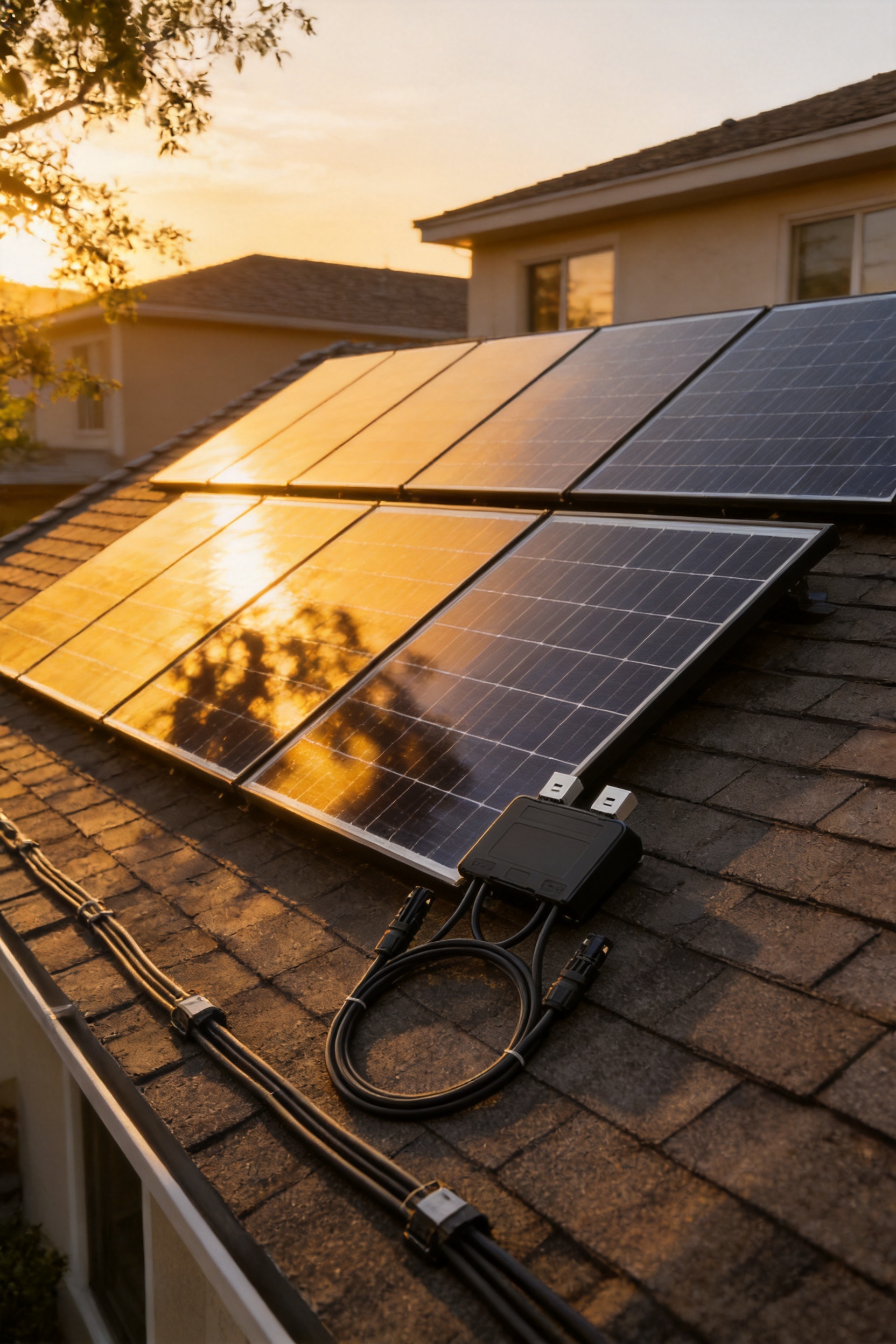
Residential roofs are often irregular. Dormer windows, chimneys, vents, neighboring buildings, trees, and different roof orientations can create changing shade patterns throughout the day. A string inverter without module-level optimization may not fully exploit the available roof area when modules operate under different conditions.
The SUN-XL02-B can help homeowners use more of the available roof while maintaining detailed visibility into module performance. Its compact 105 × 105 × 22 mm dimensions support installation in areas where space behind the module is limited, provided that the mounting arrangement complies with the relevant installation instructions.
Residential users may also benefit from faster troubleshooting. If one module produces less energy than expected, module-level data can help identify the issue without requiring a complete system inspection. This is especially useful for systems installed on steep or difficult-to-access roofs.
Commercial and Industrial Rooftops
Commercial rooftops frequently contain air-conditioning equipment, exhaust systems, parapets, skylights, signs, and service walkways. These features can create complicated shade patterns and prevent the use of a single uniform module orientation.
Module-level optimization can improve the design flexibility of such installations. It can also provide operations teams with more detailed performance information across large arrays. If one area of the roof begins to underperform, technicians can use monitoring data to determine whether the problem is concentrated in a particular group of modules.
For commercial and industrial owners, the value of monitoring extends beyond convenience. Energy production is often linked to operating budgets, sustainability reporting, tenant commitments, and return-on-investment calculations. Better visibility can support more accurate performance assessment over the life of the asset.
Carports and Distributed Arrays
Solar carports may include multiple rows, different elevations, and shading from nearby structures or vehicles. Cable routes can also be spread across a wide area. PLC communication may help simplify the communications architecture by using the photovoltaic cables already required for power transmission.
Distributed arrays on agricultural buildings, warehouses, schools, and public facilities may face similar challenges. Where module conditions vary, localized optimization can make the system more adaptable than a strictly uniform string design.
Retrofit and Performance Improvement Projects
Existing photovoltaic systems may experience performance losses because of new shading, module degradation, connector issues, or mismatched replacement modules. A module-level optimizer can be considered as part of a performance improvement strategy, although compatibility with the existing inverter, concentrators, communication equipment, and system voltage must be confirmed.
Retrofit decisions should be based on measured production data and a complete engineering assessment. The potential gain from optimization should be compared with installation labor, access requirements, electrical modifications, monitoring integration, and expected remaining system life.
System Design and Installation Considerations
Correct design is essential to obtaining the intended benefits of any optimizer. The SUN-XL02-B should be selected only after the module electrical specifications and complete system architecture have been reviewed.
Electrical Compatibility
Designers should compare the optimizer’s 700 W maximum input power, 80 V maximum input voltage, 12–80 V MPPT range, and 15 A maximum input current with the selected module’s electrical data. Calculations should account for the lowest and highest expected temperatures, because module voltage changes with temperature.
The system designer must also confirm compatibility with the inverter or other power conversion equipment. The optimizer does not operate as a complete standalone solar inverter. It is a module-level device that must be integrated with compatible system components.
Connector and Cable Practices
The optimizer uses a 4.0 mm² cable arrangement with a 70 cm input cable and a 100 cm output cable. It uses MC4 or compatible MC4 connectors. Only properly matched, approved connectors should be used. Mixing connectors from different manufacturers without verified compatibility can create resistance, heating, water ingress, and long-term reliability problems.
Connectors should be kept clean and dry during installation. Cables should be secured to prevent abrasion, excessive movement, or contact with sharp edges. The cable should not be used to support the weight of the optimizer, and bending radii should follow the applicable product and module installation requirements.
Mechanical Placement
The compact enclosure is suitable for module-level placement, but installers must select a location that protects the device from unnecessary mechanical impact and allows proper cable routing. The optimizer should not be installed where it can be crushed by the module frame, exposed to standing water, or subjected to excessive heat from unrelated equipment.
Mounting should follow the product manual. A secure installation helps preserve the IP68 protection rating and reduces stress on connectors and cable entries over time.
Communication and Commissioning
Because communication uses PLC, the installer must ensure that the optimizer network is connected to compatible optimizer concentrators and monitoring equipment. Commissioning should verify that every installed optimizer is recognized, communicating, and associated with the correct module location in the monitoring interface.
Accurate labeling and digital mapping are important. If a module is replaced or its physical location changes, the monitoring database should be updated. A precise module map can save considerable time during future service visits.
Rapid Shutdown Verification
Where rapid shutdown is required or selected, the installer must confirm that the SUN-XL02-B is used with compatible optimizer concentrators and control equipment. The shutdown function should be tested during commissioning according to the applicable installation procedure and local regulations.
System documentation should identify shutdown controls, isolation points, array boundaries, and any required warning labels. Personnel responsible for operation and maintenance should understand how to initiate and verify a shutdown.
Manufacturing Strengths and Product Development Capability
The product is manufactured by Ningbo Deye Inverter Technology Co., Ltd., a technology manufacturing enterprise established in 2000. The company integrates research and development, design, production, sales, and service. This broad internal structure is important for a specialized device such as a photovoltaic optimizer because electrical performance, mechanical protection, communication, monitoring, and system compatibility must be developed together.
A company with integrated capabilities can coordinate the product lifecycle more effectively than an organization focused on only one stage of the value chain. Research and development teams can work with production and service teams to identify field requirements. Design teams can consider manufacturability, installation conditions, and system integration from the beginning. Service feedback can be returned to future product development.
The company’s broader product portfolio includes photovoltaic inverters, energy storage systems, microinverters, environmental appliances, and energy management solutions. This range provides experience across several areas that are relevant to optimizer development, including power electronics, thermal management, communications, monitoring, and distributed energy control.
Power Electronics Experience
A module-level optimizer must manage variable DC input conditions while maintaining efficient power conversion and reliable communication. Experience in photovoltaic inverters and energy storage inverters can support the development of control algorithms, switching systems, protection functions, and thermal design.
The stated peak conversion efficiency of 99.5% reflects the product’s focus on minimizing conversion losses. Efficiency is not achieved by a single component; it depends on the combined design of power semiconductors, magnetic elements, control software, circuit layout, thermal paths, and protective functions.
Integrated Research and Development
Research and development for an optimizer extends beyond the electrical conversion stage. The device must interact with modules, photovoltaic cables, concentrators, monitoring platforms, and shutdown controls. It must also maintain operation in a wide outdoor temperature range and resist dust and water exposure.
Integrated R&D enables these requirements to be evaluated as part of a complete product system. This can help reduce compatibility gaps between the optimizer, concentrator, monitoring platform, and other system components. It also supports more consistent product documentation and service procedures.
Manufacturing and Quality Orientation
As a comprehensive manufacturer with its own production capabilities, the company can coordinate material selection, assembly processes, product testing, packaging, and shipment under an organized manufacturing system. For outdoor power electronics, manufacturing consistency is essential because small deviations in sealing, connector assembly, soldering, or cable termination may affect long-term performance.
The SUN-XL02-B’s IP68 rating, CE certification, wide temperature specification, and defined cable and connector configuration indicate that the product is designed with formal product requirements rather than being treated as an informal accessory. Installers and distributors can use these defined parameters when planning system layouts, qualification procedures, and inventory management.
Manufacturing strength also supports supply continuity. A broad product platform and established production organization can help the supplier serve different market segments, from residential installations to commercial and industrial systems. The company reports that its products are sold in more than 140 countries and regions, demonstrating substantial international market experience.
Global Service and Application Knowledge
Photovoltaic systems operate under different electrical codes, climatic conditions, installation practices, and customer expectations across international markets. Experience in multiple regions can help a manufacturer develop documentation, support processes, and product configurations suited to varied applications.
The company provides international contact channels and technical materials for the product. The existence of product documentation, including a product datasheet and an English manual, supports professional installation and after-sales service. Installers should always use the latest applicable manual and confirm that the selected product version matches the intended market and system design.
Operational Value for System Owners
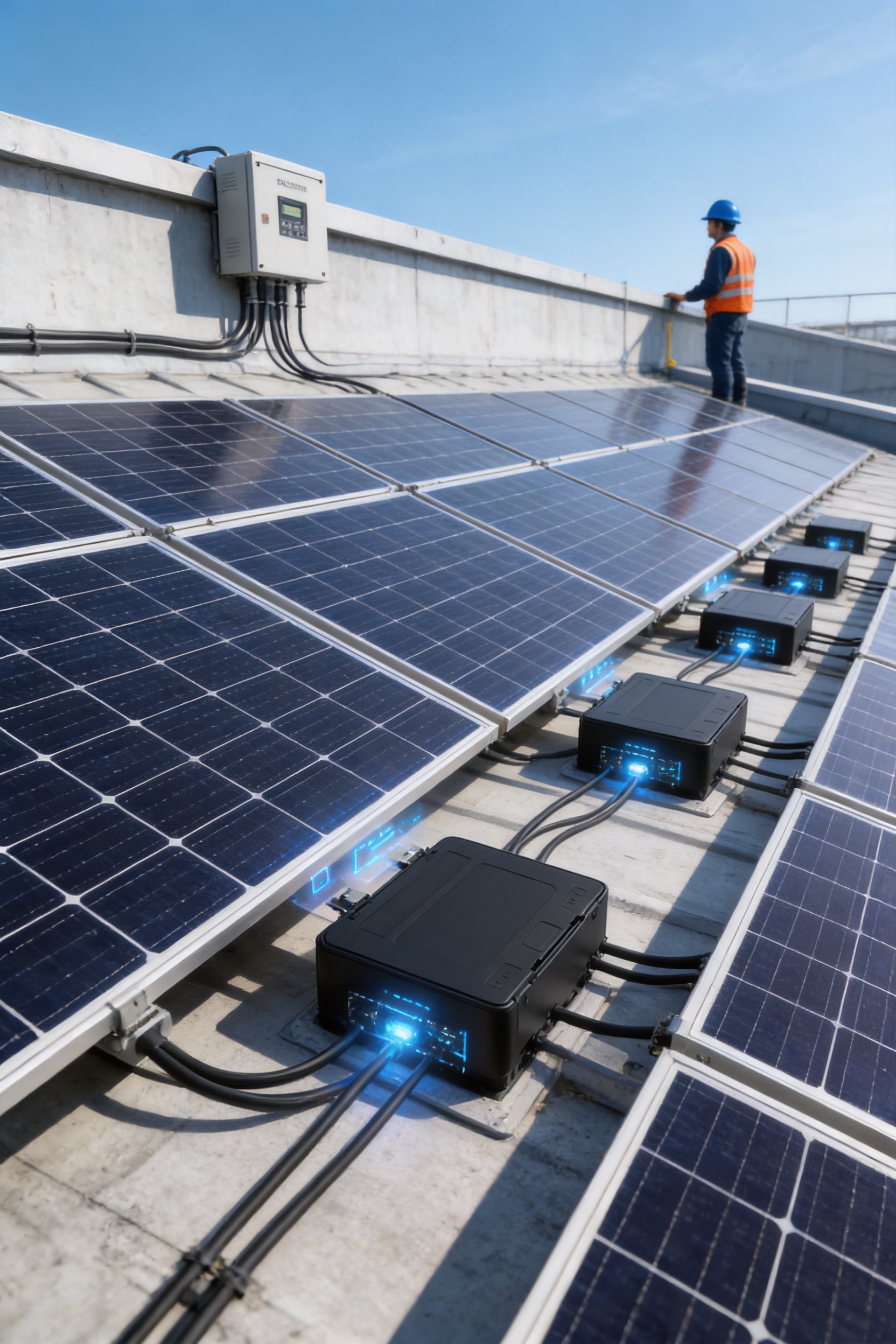
The financial value of an optimizer depends on more than its purchase price. A complete evaluation should consider energy yield, installation labor, maintenance, monitoring, safety, replacement procedures, and system availability.
Higher energy production can increase the amount of electricity available for self-consumption or export. In commercial systems, better production may reduce electricity purchases during operating hours. In residential systems, it can increase the use of solar energy within the home, especially when production is affected by partial shading.
Detailed monitoring can also reduce the cost of diagnosing faults. A technician who can identify the likely problem location before arriving on site may bring the correct replacement component and reduce the number of service visits. Over the life of a system, this operational efficiency can be meaningful.
The rapid shutdown function can support safer emergency response and maintenance procedures when the full compatible architecture is correctly installed. Safety functions can also help system owners meet project requirements and improve confidence among building occupants, facility managers, and emergency personnel.
Maintenance and Long-Term Reliability
Although the SUN-XL02-B is designed for outdoor photovoltaic applications, long-term reliability depends on the entire installation environment. Periodic monitoring reviews can help identify changes in module output, communication status, or optimizer behavior.
Visual inspections should check for damaged cables, loose connectors, signs of overheating, physical impact, water intrusion, or unauthorized modifications. Any maintenance work should be performed by qualified personnel using appropriate electrical safety procedures.
Module cleaning should be carried out according to the module manufacturer’s instructions. Cleaning teams should avoid pulling on optimizer cables or directing equipment in a way that can damage connectors and seals. The IP68 rating provides strong protection, but it does not make the device immune to mechanical damage or incorrect handling.
If a module or optimizer must be replaced, the replacement device should match the electrical and communication requirements of the system. The monitoring map should be updated after replacement, and the system should be recommissioned to verify correct operation.
Comparison with Other Optimization Approaches
There are several ways to improve photovoltaic system performance. A designer may choose a traditional string inverter, a string inverter with module-level optimizers, or a microinverter architecture. Each approach has different electrical, monitoring, installation, and cost characteristics.
A conventional string inverter can be economical and efficient in an unshaded array with uniform orientation. However, it may provide less detailed module-level information and less independent control. A microinverter converts DC to AC at each module and can provide module-level control, but it may involve a different system architecture, AC wiring arrangement, and replacement strategy.
The SUN-XL02-B represents a module-level optimization approach that can retain a centralized or string-based power conversion structure while adding local MPPT and monitoring. Compared with a basic string-only design, it offers more granular control. Compared with a fully distributed microinverter architecture, it may allow the system designer to preserve a different balance between module-level intelligence and centralized conversion.
Its use of PLC communication is another differentiating characteristic. By using photovoltaic cables for communication, the design can avoid additional communications cabling that may be required by some other systems. The best choice depends on project objectives, inverter compatibility, local regulations, shading conditions, service preferences, and total installed cost.
Recommended Project Evaluation Process
Before specifying the optimizer, the project team should survey the site. The survey should identify roof orientations, obstructions, likely shade patterns, module temperatures, cable routes, access conditions, and emergency shutdown requirements.
The next step is to select compatible modules and verify all electrical limits. The team should calculate voltage at the lowest expected temperature and current at the highest expected irradiance. The optimizer’s maximum input power, voltage, current, and MPPT range should not be exceeded.
After electrical compatibility is confirmed, the designer should review the communication architecture. The optimizer concentrators, monitoring equipment, inverter, and shutdown controls must work together. A complete equipment list should include all required accessories rather than evaluating the optimizer as an isolated component.
The project should then estimate expected energy improvement. A simulation or engineering assessment can compare the existing or proposed string-only design with the optimizer-based design under realistic shading, temperature, and mismatch conditions. The resulting energy estimate can be used to evaluate payback and lifecycle value.
Finally, installation and service procedures should be prepared. These should cover connector handling, optimizer mounting, cable management, module mapping, commissioning, rapid shutdown testing, documentation, and future replacement procedures.
Frequently Asked Questions
What is the SUN-XL02-B?
The SUN-XL02-B is a module-level photovoltaic optimizer in the Accessory and Monitoring category. It provides module-level MPPT, monitoring support, PLC communication, and rapid shutdown support when used with compatible optimizer concentrators.
How much additional energy can it produce?
The stated potential increase in power generation is 5% to 25%. Actual performance depends on shading, module mismatch, roof orientation, temperature, soiling, and the original system configuration. The range should not be treated as a guaranteed result for every project.
What is the maximum module power supported?
The maximum input power is 700 W. The module must also remain within the optimizer’s maximum input voltage of 80 V, maximum input current of 15 A, and MPPT voltage range of 12–80 V under all expected operating conditions.
Does the optimizer replace a solar inverter?
No. The SUN-XL02-B is a module-level optimizer and must be integrated with a compatible photovoltaic inverter or system architecture. It does not independently replace the complete DC-to-AC conversion system.
How does communication work?
The optimizer uses PLC communication, which transmits information through photovoltaic power cables. This eliminates the need for additional communication cables between the module-level devices and the compatible communication equipment.
Does it support module-level monitoring?
Yes. The product is designed to support real-time monitoring of the operating status of each photovoltaic module, helping users identify underperforming modules and troubleshoot faults more precisely.
Does it provide rapid shutdown?
It supports rapid shutdown when used with optimizer concentrators. The function is not intended to operate as an independent feature without the required compatible system equipment. Proper installation, commissioning, and compliance with local requirements are essential.
Can it be used in cold and hot climates?
The specified operating temperature range is -40°C to +85°C. The complete system design must still consider module temperature, enclosure placement, ventilation, snow, direct sunlight, cable conditions, and local environmental factors.
Is the optimizer waterproof?
The product has an IP68 protection rating, indicating a high level of protection against dust and water ingress under the applicable testing conditions. Connectors, cables, and installation practices must remain compliant to preserve system protection.
What connectors does it use?
The optimizer uses MC4 or compatible MC4 connectors. Installers should use properly matched connectors and follow the product manual and connector manufacturer requirements.
Where is it most beneficial?
It is especially useful in arrays with partial shading, multiple roof orientations, module mismatch, complex layouts, or a need for detailed module-level monitoring. It can be considered for residential, commercial, industrial, carport, and retrofit applications after compatibility review.
What should be checked before installation?
The installer should check module voltage, current, power, temperature coefficients, connector compatibility, inverter compatibility, optimizer concentrator requirements, cable routing, mounting conditions, monitoring configuration, and rapid shutdown requirements.
Conclusion
The SUN-XL02-B provides a practical module-level approach to improving photovoltaic system performance, visibility, and safety. Its principal advantages include module-level MPPT, a potential 5% to 25% increase in power generation under suitable conditions, real-time module monitoring, PLC communication through photovoltaic cables, and rapid shutdown support when integrated with compatible optimizer concentrators.
The product’s 700 W maximum input power, 80 V maximum input voltage, 15 A maximum input current, 99.5% peak conversion efficiency, -40°C to +85°C operating temperature range, compact dimensions, MC4-compatible connections, and IP68 protection rating make it suitable for a wide range of modern photovoltaic applications.
Its value is strongest where array conditions are not uniform. Shading, varied roof orientations, module mismatch, and maintenance challenges can all make module-level control more valuable than a basic string-only approach. At the same time, proper system design remains essential. Electrical limits, communication compatibility, concentrator requirements, installation procedures, and local safety regulations must be verified before deployment.
Supported by a manufacturer with experience in photovoltaic inverters, energy storage, microinverters, power electronics, and global energy solutions, the optimizer forms part of a broader technology platform rather than functioning as an isolated accessory. For system designers and owners seeking higher yield, more precise diagnostics, simplified communication wiring, and enhanced shutdown capability, it can serve as an effective component in a carefully engineered photovoltaic system.
References
1. SUN-XL02-B Product Datasheet, photovoltaic optimizer technical specifications.
2. SUN-XL02-B Installation and User Manual, English edition.
3. General principles of photovoltaic maximum power point tracking and module mismatch management.
4. General photovoltaic system design practices for shading analysis, temperature correction, and electrical compatibility.
5. General requirements for photovoltaic rapid shutdown and electrical safety procedures.
6. General enclosure protection principles for outdoor electrical equipment, including IP rating interpretation.
7. Manufacturer company information covering research and development, production, global sales, photovoltaic inverters, energy storage systems, and monitoring solutions.
Product: SUN-XL02-B

PREV:Wireless Energy Metering for Smarter Solar and Energy Storage Systems
NEXT:Three-Phase String Inverter Technology for Efficient Commercial Solar Systems
Share
Product recommendations
news recommendations
-
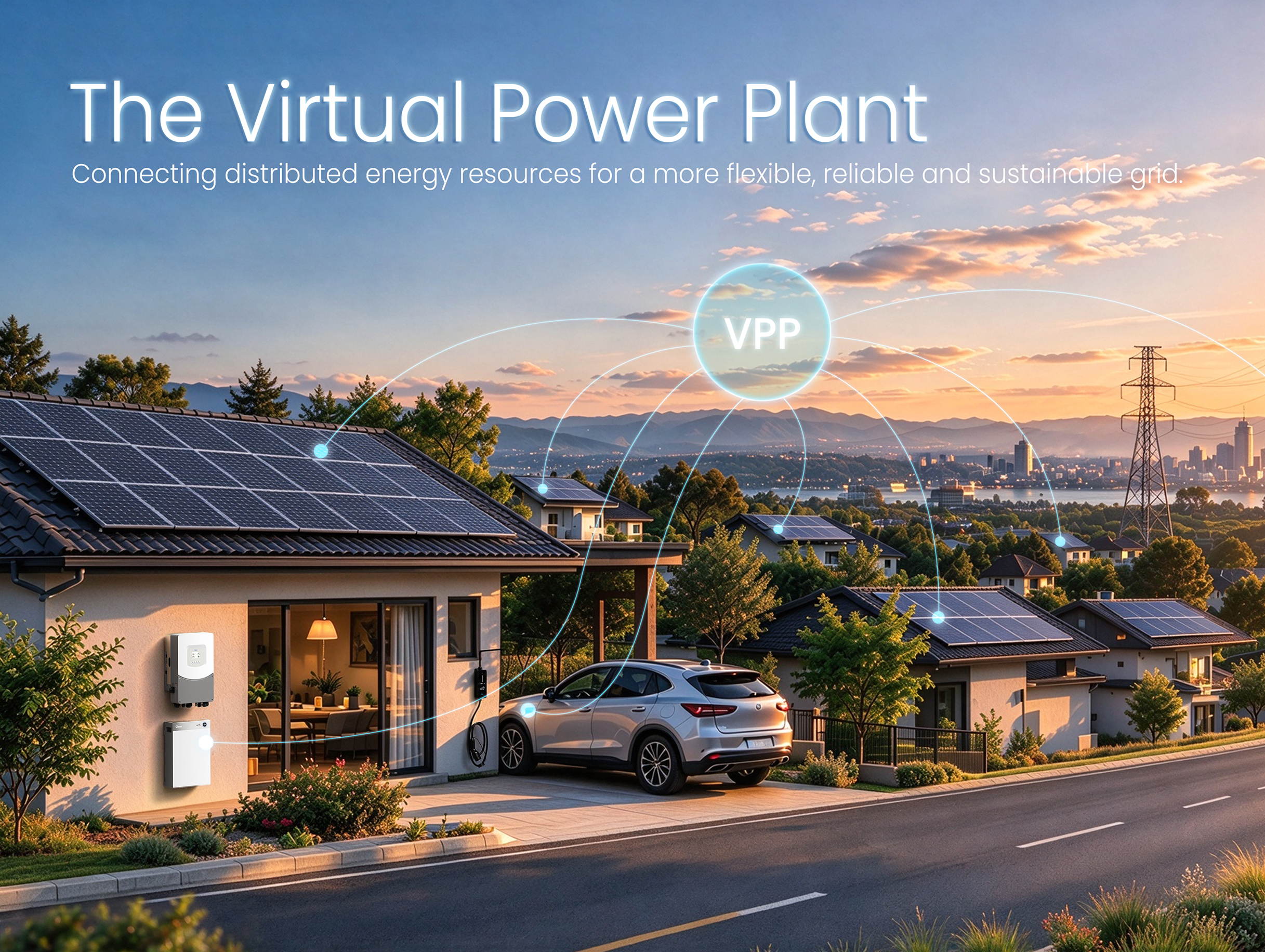 From Centralized Grids to Virtual Power Plants: The Next Evolution of the Power System
For more than a century, power systems around the world have relied on a centralized model. Large p...
-
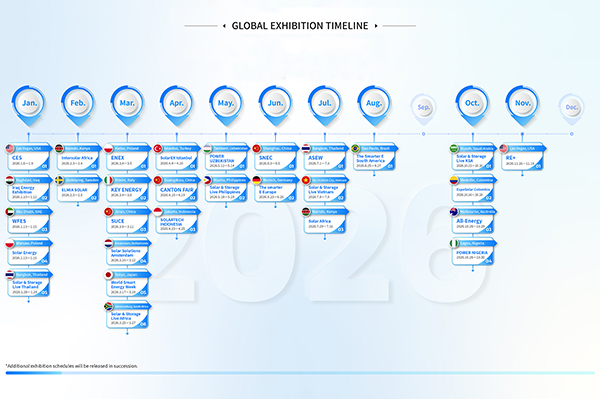 GLOBAL EXHIBITION TIMELINE
*Click to view larger image
-
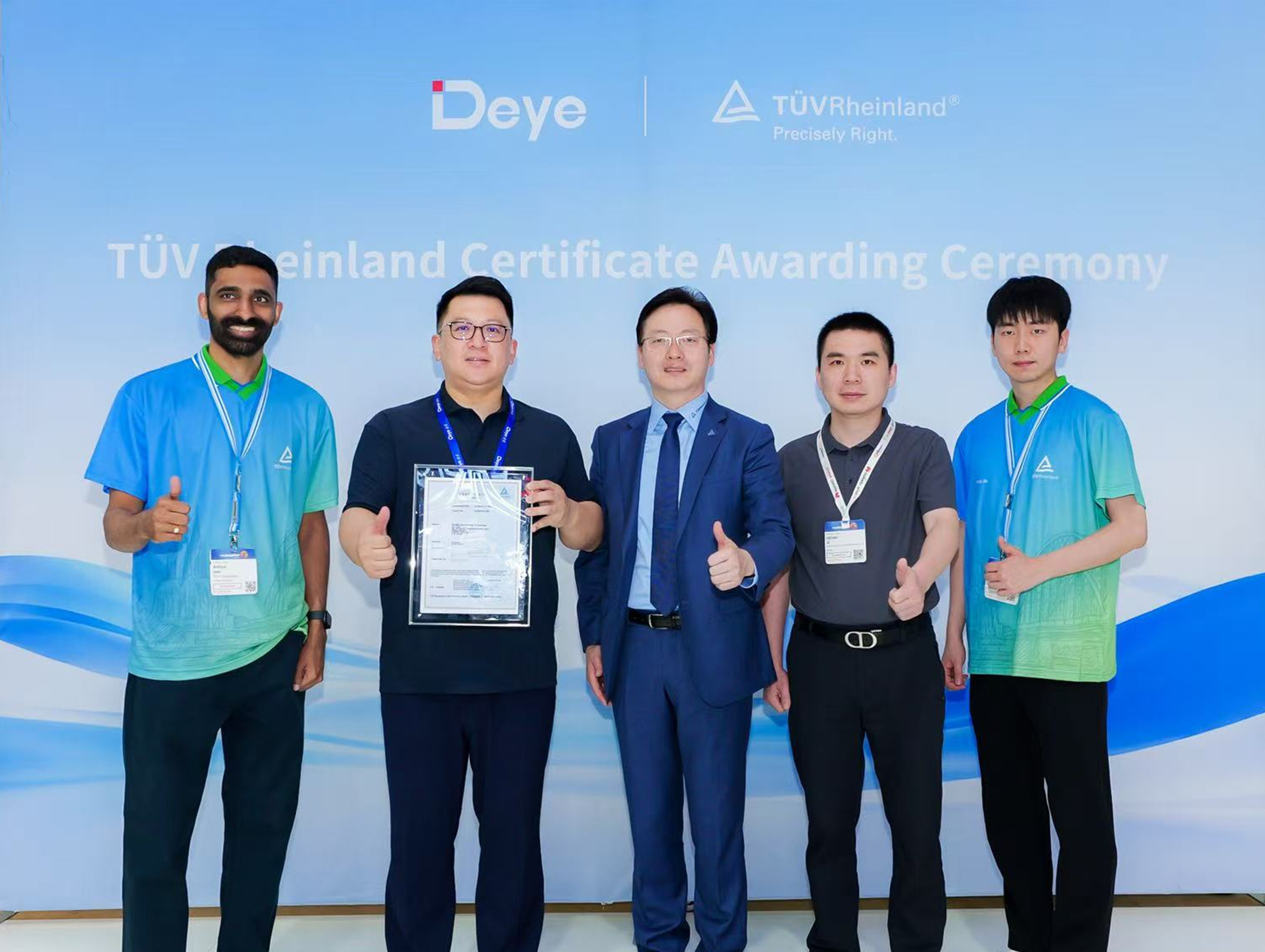 Deye Secures Multiple TÜV Rheinland Certifications at The smarter E Europe
On June 23, the opening day of The smarter E Europe 2026, Deye was officially awarded several presti...

Copyright@ 2024.Ningbo Deye Inverter Technology Co.,Ltd. All rights reserved. Solar Inverter Manufacturer
