
 Online Shop
 English
 China - 简体中文
 Global - English
 Brazil - Português
 Netherlands - Dutch
 Italy - Italiano
 Germany - Deutsch
 Spain - Español
 France - Français
 Vietnam - Tiếng Việt
 Poland - Polski
 Australia - English
 Japan - 日本語
Zhuo Yiran — Senior After-Sales Service Engineer, Energy Storage Systems

High-Performance 1200–1300W Microinverter for Safe, Flexible, and Intelligent Solar Systems

Modern photovoltaic systems are moving toward greater module-level intelligence, improved safety, flexible system design, and more reliable long-term operation. In this environment, the SUN 1200-1300G series provides a compact and powerful microinverter solution for residential and small commercial solar installations. Designed for single-phase applications, this four-MPPT microinverter converts the direct-current output of individual solar modules into grid-compatible alternating current while allowing each panel to operate more independently.
The series combines a rated output of up to 1300W, four independent maximum power point trackers, rapid shutdown functionality, module-level monitoring, wireless communication options, IP67 environmental protection, and a ten-year warranty. These features address many of the limitations associated with conventional centralized and string inverter architectures, including the effects of partial shading, uneven module performance, complicated fault identification, and safety concerns during maintenance or emergency response.
Manufactured by Ningbo Deye Inverter Technology Co., Ltd., the product reflects the company’s broader experience in photovoltaic inverters, energy storage systems, environmental appliances, and energy management technologies. The company integrates research and development, product design, manufacturing, sales, and service within one organization. This integrated structure supports product consistency, application-specific engineering, and continuous development across residential, commercial, industrial, and utility-scale energy solutions.
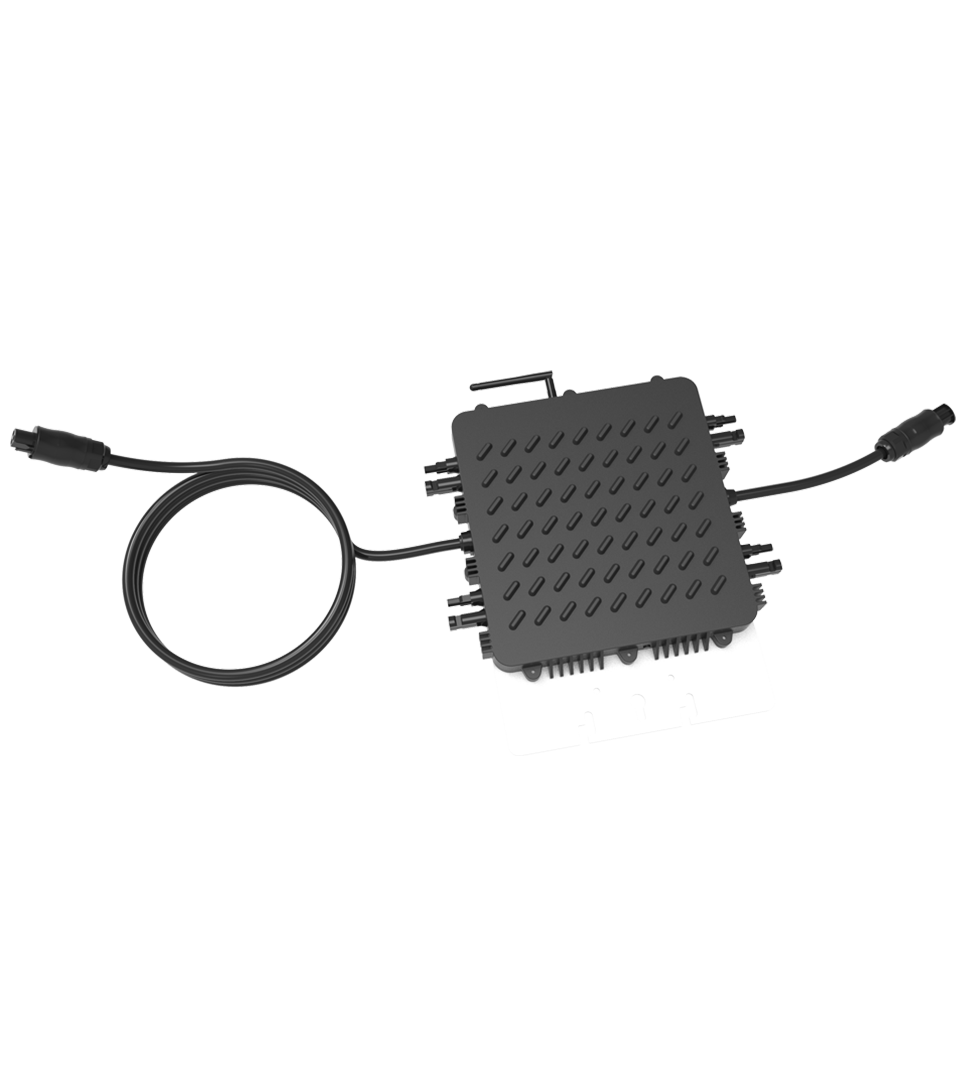
SUN 1200-1300G | 1200-1300W | Single Phase | 4 MPPT | Micro-inverter | Rapid Shutdown
Understanding the SUN 1200-1300G Microinverter Platform
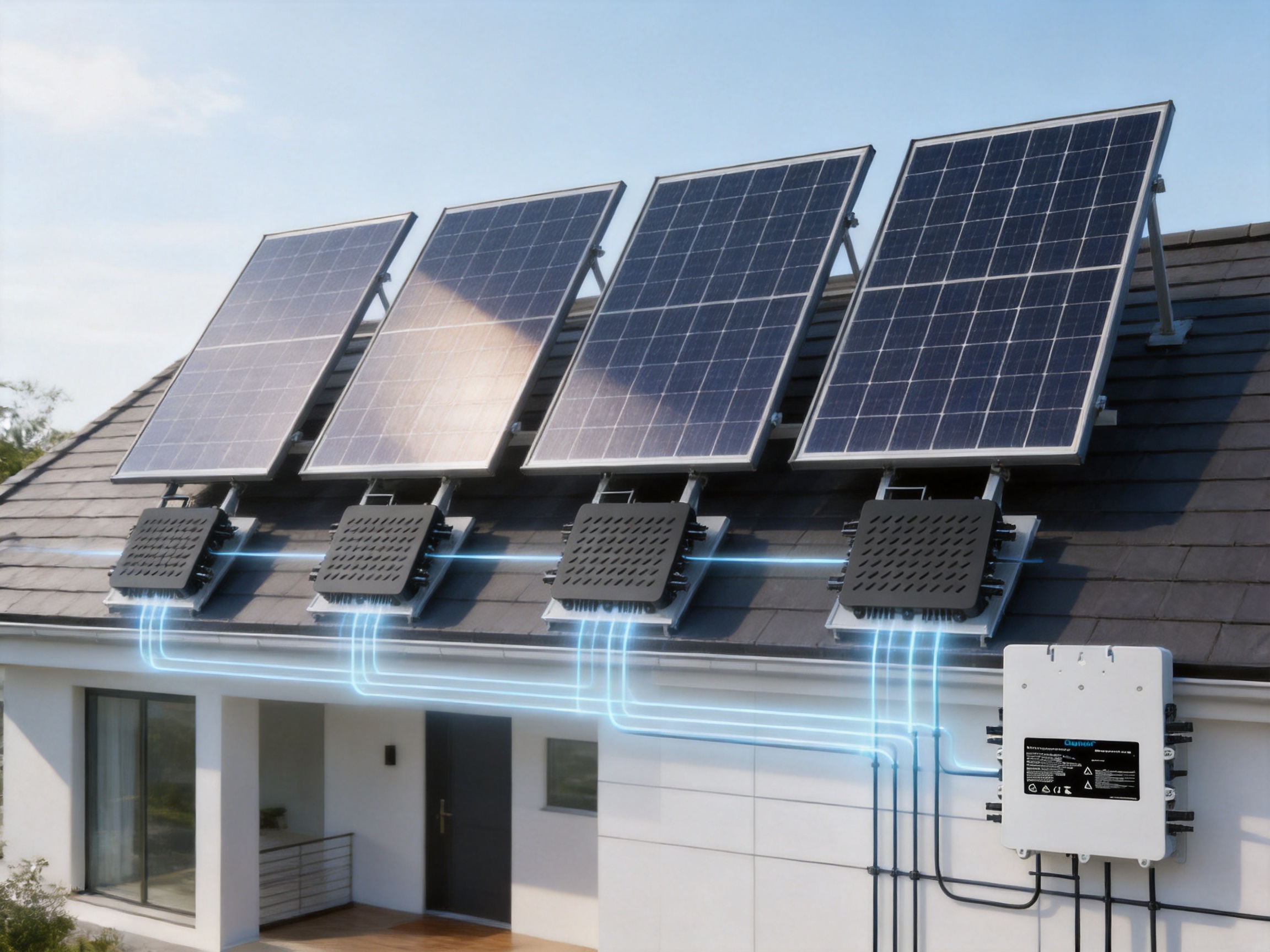
A microinverter is installed close to the solar modules rather than at a single central location. Instead of connecting a long string of panels to one large inverter, a microinverter system allows each panel or small group of panels to perform its own DC-to-AC conversion. This architecture can increase design flexibility and simplify performance analysis because energy production data can be evaluated at the module level.
The SUN 1200-1300G series is designed around four independent MPP trackers. Each tracker can continuously seek the operating point that produces the highest available power from its connected solar input. Because the trackers operate independently, differences between modules have less influence on the overall system than they would in a conventional string arrangement.
The product family includes the SUN1200G-230-EU, SUN1300G2-US-208/240, and SUN1300G models. Depending on the selected version, the inverter supports European or North American electrical conditions. The available output configurations include 230V at 50Hz and 208V or 240V at 60Hz. This range allows installers to select a version appropriate for the local utility environment and project requirements.
The platform supports photovoltaic modules with 60 to 72 cells. Its recommended input power range is 210W to 400W for four modules, while its maximum DC input voltage is 60V. The operating DC voltage range extends from 20V to 60V, with an MPPT voltage range of 25V to 55V. A low startup voltage of 20V helps the inverter begin operating under comparatively low solar-voltage conditions.
Key Electrical Performance Characteristics
The maximum input current is specified as 10.4A multiplied by four inputs. The maximum DC short-circuit current is 13A for the European and US 208/240V versions, and 14A for the SUN1300G version. These values provide installers with clear boundaries for module selection and system design.
On the AC side, the series offers a rated output power of up to 1300W and a maximum output power of 1300W. The maximum output current varies according to the model and voltage configuration. The listed values include 4.3A for the European model, 6.3A or 5.4A for the US 208/240V model, and 5.9A for the SUN1300G model.
The inverter is designed to maintain a power factor greater than 0.99. A high power factor means that the inverter delivers active power efficiently while minimizing unnecessary reactive current under normal operating conditions. This can support more effective use of the available electrical infrastructure and reduce avoidable current loading.
For the SUN1200G-230-EU, the nominal voltage is 184V to 265V, with a nominal frequency of 50Hz and a normal frequency range of 47.5Hz to 51.5Hz. The extended frequency range is 45Hz to 55Hz. The North American versions are configured for 208V or 240V operation and a nominal frequency of 60Hz, with model-specific voltage and frequency ranges.
The maximum number of units per branch is five for the European model and four for the listed North American versions. This information is important during array planning because it affects branch current, cable selection, circuit protection, and the overall AC distribution design.
Four Independent MPPT Channels for Better Energy Harvesting
One of the most important advantages of this microinverter is its four-MPPT architecture. Solar modules rarely operate under perfectly identical conditions. Differences may result from roof orientation, tilt angle, module aging, manufacturing tolerances, temperature, dirt, nearby trees, chimneys, parapets, or temporary shadows.
In a conventional string inverter, multiple modules are electrically connected in a series string. The current of the string can be influenced by the weakest or most shaded module, depending on system conditions and bypass-diode behavior. A string inverter can still perform well in many applications, but its effectiveness may decrease when a roof has multiple orientations or significant nonuniform shading.
With four independent trackers, the SUN 1200-1300G series can manage four solar inputs separately. Each connected module can be tracked closer to its own optimum operating point. This design is particularly useful for residential roofs with dormers, different roof planes, partial shading, or irregular module layouts.
The architecture also helps reduce the impact of module mismatch. Even when panels have similar specifications, their real-world output can vary over time. Independent tracking allows the system to respond to these differences rather than treating the entire array as one electrical block.
The product’s stated static MPPT efficiency is 99%. This figure indicates that the tracking circuitry is designed to locate and maintain the module’s maximum power operating point with a high degree of effectiveness under stable conditions. Actual energy yield depends on irradiance, temperature, module characteristics, installation quality, grid conditions, and other site-specific factors.
Module-Level Monitoring and Easier Maintenance
Module-level monitoring is another major benefit of the product. Instead of seeing only the total output of a complete string or array, installers and system owners can review performance data for individual panels or microinverter channels. This creates a more detailed view of system behavior.
Detailed monitoring can make commissioning more efficient. After installation, the installer can verify whether each input is producing power, whether the modules are correctly connected, and whether communication is working as expected. This can help identify wiring errors or inactive inputs before the system is handed over to the customer.
Module-level data can also support faster operation and maintenance. If one panel produces less energy than neighboring panels under similar conditions, the issue may be related to shading, dirt, a connector, a cable, the module itself, or the corresponding microinverter channel. Without module-level information, locating the affected component may require more time and physical inspection.
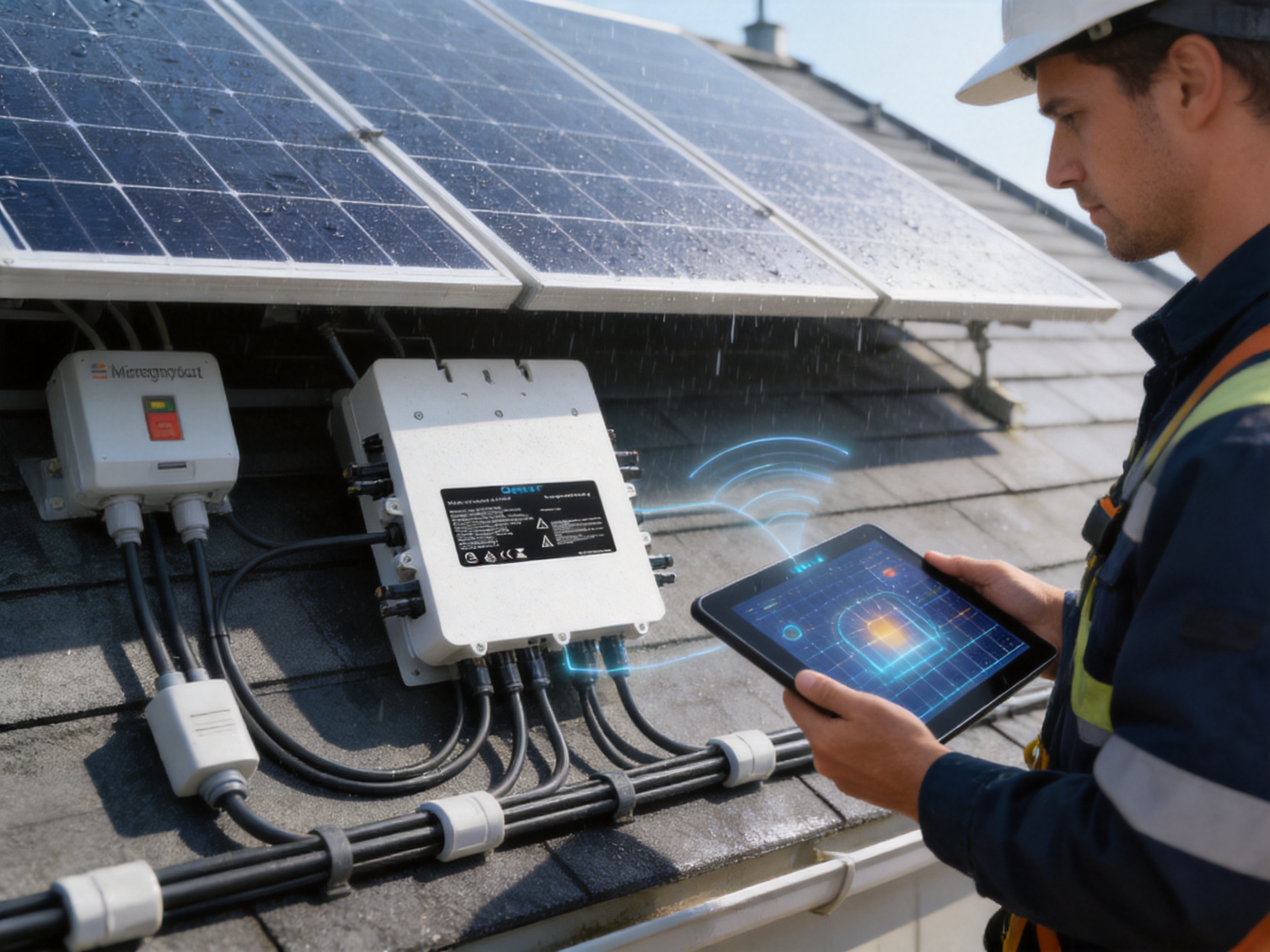
The product supports power-line communication, Wi-Fi, and Zigbee communication options. The built-in Wi-Fi module can simplify installation and commissioning for installers by reducing the need for additional communication hardware in suitable applications. Communication selection can be matched to the design, site conditions, monitoring platform, and project requirements.
Rapid Shutdown and System Safety
Safety is central to photovoltaic system design. Solar modules can continue producing DC voltage whenever they receive light, even when the building’s main AC supply has been disconnected. This can create additional risks for firefighters, maintenance technicians, emergency responders, and property owners if the array cannot be rapidly de-energized.
The SUN 1200-1300G series includes a rapid shutdown function. When properly designed and installed with compatible system equipment, rapid shutdown can reduce energized DC conductors within the required area during an emergency or service event. The exact behavior depends on local regulations, system architecture, shutdown controls, and installation procedures.
Compared with a long high-voltage DC string, a microinverter installation can reduce the length and presence of high-voltage DC wiring across a building. The product’s low-voltage DC input range, from 20V to 60V, further supports an approach in which each module is handled locally rather than combining many modules into a high-voltage series string.
Installers must still follow applicable electrical codes, equipment instructions, grounding requirements, branch circuit limitations, and local rapid-shutdown rules. The presence of a rapid shutdown feature does not remove the need for correct installation, labeling, inspection, and maintenance procedures.
Environmental Protection for Outdoor Solar Installations
Solar inverters are commonly installed outdoors beneath PV modules, where they may be exposed to rain, humidity, dust, condensation, temperature fluctuations, and strong sunlight. The SUN 1200-1300G series has an IP67 enclosure rating. This indicates a high level of protection against dust ingress and temporary water immersion under defined test conditions.
The specified ambient operating temperature range is -40°C to 65°C. This broad range supports deployment in a variety of climates, including cold winter environments and hot rooftop installations. Actual operating temperature can be affected by mounting position, solar exposure, ventilation, module spacing, and local weather conditions.
The inverter uses natural cooling rather than a fan-based cooling system. Natural cooling can reduce moving-part complexity, acoustic noise, and fan-related maintenance concerns. It also supports quiet operation, which is valuable for residential rooftops and other locations close to occupied spaces.
The mechanical dimensions are approximately 298.5mm wide, 287mm high, and 36mm deep, excluding the mounting bracket and cable. The listed weight is 6.3kg. This compact form factor can make handling and installation more convenient, particularly when multiple units must be placed beneath a dense rooftop array.
Efficiency and Energy Conversion
Efficiency is a critical factor because every conversion stage affects the amount of solar energy delivered to the grid. The SUN 1200-1300G series has a listed peak inverter efficiency of 96.5 percent and a CEC weighted efficiency of 95 percent. The CEC weighted value is intended to represent performance across a range of operating conditions rather than at only one ideal point.
The product also lists a night-time power consumption of 50mW. Low standby consumption helps reduce unnecessary energy use during periods when the modules are not generating. Over long operating periods, small reductions in standby demand can contribute to improved overall system efficiency.
The high power factor, efficient MPPT operation, and low night-time consumption work together to support productive operation across the daily solar cycle. As with all power electronics, the final energy yield depends on system design, weather, grid quality, temperature, shading, module selection, and commissioning quality.
| Specification Category | Key Value | Practical Importance |
|---|---|---|
| Rated output power | Up to 1300W | Supports high-power residential PV modules and compact array designs |
| Number of MPPT trackers | 4 | Allows independent optimization of four solar inputs |
| Maximum DC input voltage | 60V | Defines the upper DC voltage limit for module compatibility |
| Operating DC voltage | 20V–60V | Supports startup and operation across a broad module voltage range |
| Peak inverter efficiency | 96.5% | Indicates efficient DC-to-AC conversion under suitable conditions |
| Static MPPT efficiency | 99% | Supports effective tracking of each module’s operating point |
| Enclosure rating | IP67 | Provides strong protection against dust and water exposure |
| Operating temperature | -40°C to 65°C | Supports installations across demanding climate conditions |
| Communication | Power line, Wi-Fi, and Zigbee | Provides multiple options for monitoring and commissioning |
| Warranty | 10 years | Supports long-term ownership planning and customer confidence |
Advantages Compared with Conventional String Inverter Designs
The most important competitive advantage of a microinverter is architectural flexibility. A conventional string inverter may require modules in one string to share similar orientation, shading conditions, and electrical characteristics. A microinverter system is generally better suited to roofs with several planes or varied sunlight exposure because each module can be managed more independently.
Another advantage is fault visibility. With a central inverter, the system owner may see a reduction in total production without immediately knowing which module or section is responsible. Module-level monitoring can narrow the diagnostic area and provide more actionable information to installers.
Microinverters can also simplify the expansion of smaller systems. When the electrical and structural design allows, additional modules can be integrated without redesigning a large high-voltage DC string. The exact expansion method must always follow the permitted branch capacity and local code requirements, but the modular architecture can offer practical flexibility.
Safety is another area in which the product is differentiated. The low-voltage DC input design and rapid shutdown function can reduce the risks associated with extended high-voltage DC strings. This does not mean that a microinverter installation is automatically risk-free, but it can support a safer system architecture when installed correctly.
Compared with some competing microinverters, the four-MPPT configuration is especially useful for modules with different orientations or complex shading patterns. Many small residential microinverters are designed around fewer inputs or fewer tracking channels. Four trackers can provide more detailed control within a compact product class.
The combination of four MPPT channels, 1300W output capability, multiple communication options, IP67 protection, natural cooling, and a ten-year warranty creates a balanced solution for installers seeking both high power density and manageable system operation.
Application Flexibility for Residential and Small Commercial Projects
The product is suitable for residential rooftops where module-level control, quiet operation, and safety are important. Homes often have complex roof geometry, with panels installed on east-, west-, south-, or differently pitched surfaces. A microinverter can accommodate such layouts more effectively than a single string-based operating point.
It can also serve small commercial installations, such as offices, retail buildings, workshops, agricultural structures, and educational facilities. These sites may have multiple roof sections, changing shade patterns, or a need for detailed energy reporting. Module-level monitoring can help facility managers understand how the solar array performs over time.
For systems in areas with unstable or varied grid requirements, model selection is important. The series includes versions for 230V, 208V, and 240V applications, along with 50Hz or 60Hz frequency configurations. Installers should confirm nominal voltage, allowable operating range, frequency requirements, phase configuration, branch limits, and utility approval before ordering equipment.
The microinverter can also be useful in retrofit projects. When replacing older equipment or adding modules to an existing solar installation, the modular design may simplify planning. Compatibility with the existing AC infrastructure, communication system, protection devices, and monitoring platform must be verified before installation.
Manufacturing Strength and Product Development Capabilities
Ningbo Deye Inverter Technology Co., Ltd. is a comprehensive technology manufacturing enterprise involved in research and development, design, production, sales, and service. This integrated model is an important strength because power electronics products require close coordination between electrical engineering, mechanical design, firmware, production control, testing, logistics, and after-sales support.
The company was founded in 2000 and has developed a broad product portfolio covering photovoltaic inverters, energy storage systems, and environmental appliances. Its inverter range includes string inverters, energy storage inverters, and microinverters. This cross-platform experience allows engineering teams to address different power levels, grid conditions, communication needs, and energy-management requirements.
The company’s product development activities cover residential, commercial, industrial, and utility applications. Such a wide application base can help inform the design of products like the SUN 1200-1300G series, where compact packaging, grid compatibility, environmental durability, safety functions, and communications must work together.
A manufacturer with experience across multiple inverter categories can also develop more coherent system ecosystems. Microinverters, monitoring devices, storage products, and energy management platforms can be designed with greater attention to interoperability. This is particularly relevant as solar installations increasingly combine PV generation, batteries, electric vehicles, smart loads, and demand management.
The company has established an energy Internet of Things ecosystem centered on the Deye Cloud App, together with wireless energy management solutions and other digital technologies. These capabilities support the industry’s move toward connected solar assets, remote diagnostics, performance analysis, and system-level visibility.
Manufacturing strength is not limited to physical assembly. It also includes the ability to maintain consistent electrical characteristics, control component quality, manage firmware revisions, validate communication functions, and support products over their service life. For a microinverter installed in large numbers across a rooftop, consistency between units is essential.
Engineering Considerations Behind the Product Design
The product’s design reflects the need to balance power density and thermal management. A 1300W microinverter must handle substantial power conversion in a compact enclosure. Natural cooling therefore requires careful attention to component selection, internal layout, heat paths, enclosure design, and installation spacing.
The IP67 enclosure rating also requires disciplined mechanical engineering. Sealing interfaces, cable exits, connectors, housing materials, and assembly tolerances must be designed to resist environmental intrusion. Maintaining enclosure integrity over years of outdoor service depends on both design quality and manufacturing consistency.
Communication functions introduce another engineering layer. Power-line communication, Wi-Fi, and Zigbee each have different technical characteristics and installation considerations. Providing several communication choices gives installers greater flexibility, but it also requires careful coordination between hardware, firmware, network configuration, and monitoring software.
Grid compliance is similarly multidimensional. The listed compliance references include UL1741, VDE0126, VDE4105, IEC62109, CE, and INMETRO. These standards and marks relate to different markets and aspects of safety, electromagnetic compatibility, grid behavior, or product conformity. The applicable requirements depend on the selected model and installation location.
Product engineering must therefore extend beyond basic DC-to-AC conversion. It must address protection, shutdown behavior, grid interaction, electromagnetic performance, environmental exposure, communications, user interface, and serviceability. The SUN 1200-1300G platform brings these elements together in a product intended for distributed solar generation.
Installation and Commissioning Guidance
Correct installation begins with module and inverter compatibility. The PV modules should remain within the specified voltage, current, short-circuit current, and recommended power limits. The inverter is compatible with 60-cell to 72-cell modules, but electrical data should be checked under both standard test conditions and the expected minimum and maximum site temperatures.
Installers should confirm the required AC voltage and frequency before selecting the model. The European version is intended for 230V and 50Hz applications, while the listed US versions support 208V or 240V and 60Hz configurations. Connecting a product to an unsuitable grid can cause faults, unsafe conditions, or noncompliance with utility requirements.
Branch planning must take account of the maximum number of microinverters per branch. The listed limit is five units for the European model and four units for the US versions. Branch circuit conductors, overcurrent protection, disconnects, connectors, and distribution equipment should be selected according to local regulations and the actual design current.
Mechanical installation should provide secure attachment, appropriate clearances, and suitable protection from unnecessary physical damage. Although the product is designed for outdoor use, it should not be installed in a location where standing water, excessive heat accumulation, flooding, corrosive chemicals, or direct mechanical impact is expected.
After the physical installation, commissioning should include inspection of module connections, AC connections, grounding or bonding arrangements, branch identification, communication setup, and rapid shutdown functionality. The built-in Wi-Fi capability can support an efficient commissioning workflow where the selected system architecture uses it.
Once the system is energized, installers should review module-level performance data. Confirming that all inputs report correctly helps identify installation issues early. A commissioning record should include model numbers, serial numbers, input assignments, branch locations, communication settings, test results, and customer handover information.
Long-Term Operation and Maintenance
Microinverters can reduce the scope of certain maintenance activities because conversion occurs at the module level and performance is visible by input. However, long-term reliability still depends on periodic inspection. Owners should monitor production trends, review alerts, inspect visible cabling, and check for changes caused by new shading, dirt, roof work, or environmental damage.
Module-level monitoring makes preventive maintenance more practical. A gradual decline in one input may indicate dirt or shading, while a sudden loss may point to a connector issue, cable problem, module fault, or communication interruption. Comparing neighboring inputs under similar sunlight conditions can provide useful diagnostic evidence.
The natural cooling design eliminates routine fan replacement, but the inverter should still be kept free from excessive dust, debris, or obstructions that could affect heat dissipation. The IP67 rating protects against defined environmental conditions, but it does not eliminate the need for careful installation and inspection.
The ten-year warranty provides a substantial planning horizon for system owners and installers. Warranty terms, exclusions, registration requirements, service procedures, and regional conditions should be reviewed before commissioning. A professional installation and accurate documentation can simplify future service requests.
Why Manufacturing Quality Matters in Distributed Solar
A single microinverter is a relatively small device, but a complete installation may contain dozens or hundreds of units. This means that manufacturing quality has a multiplying effect. If every unit is consistent, commissioning and system performance are more predictable. If unit-to-unit variation is not controlled, troubleshooting can become more complicated.
Quality manufacturing typically depends on controlled assembly procedures, traceability, component verification, production testing, firmware management, and final inspection. The company’s integrated R&D and production structure supports the coordination required for these activities. It also enables design feedback from manufacturing and field service to be incorporated into future product revisions.
Large-scale product development across PV inverters and energy storage systems can create additional opportunities for process improvement. Lessons learned from thermal design, enclosure protection, power semiconductor management, communication systems, and grid compliance can be applied across product families where appropriate.
The company’s international sales presence, with products sold in more than 140 countries and regions, also requires attention to regional standards, electrical practices, logistics, technical documentation, and support expectations. This global exposure encourages product platforms that can be adapted to different market requirements without sacrificing core reliability.
Product Positioning in a Competitive Market
The microinverter market includes products with different input counts, power levels, communications, grid configurations, protection features, and service models. Selecting the best product requires more than comparing a single efficiency number. System designers should evaluate the complete combination of module compatibility, MPPT architecture, AC capacity, safety functions, environmental rating, monitoring, warranty, and manufacturer support.
The SUN 1200-1300G series is particularly strong where four-channel optimization is valuable. Its 1300W output capacity makes it suitable for modern PV modules with higher wattage ratings, while its 60V maximum input voltage and low startup voltage support a broad range of compatible module configurations.
Its advantage over a basic microinverter is the combination of higher power capability and four independent MPPT trackers. Its advantage over a conventional string inverter is the greater level of module independence and detailed monitoring. Its advantage over a less connected product is the availability of power-line, Wi-Fi, and Zigbee communication options.
The final choice should still be based on the complete project. Inverter selection must account for local regulations, module electrical characteristics, roof conditions, branch design, monitoring expectations, future expansion, service access, and the installer’s technical capabilities.
Practical Benefits for Installers and System Owners
For installers, the product offers a combination of manageable physical dimensions, wireless communication, and module-level commissioning. These features can reduce the time required to configure a system and help identify issues before the installation team leaves the site.
For system owners, the main benefits include improved visibility, flexible rooftop design, quiet operation, safety-oriented architecture, and long-term monitoring. Owners can better understand how their solar array performs instead of relying only on a single total production figure.
For designers, the four-MPPT platform provides more freedom when modules cannot all face the same direction. The product can be considered for installations with multiple roof sections, moderate shading, and different module operating conditions, subject to proper electrical design.
For service organizations, detailed data can support remote troubleshooting and reduce unnecessary site visits. A technician may be able to determine whether an issue is related to generation, communication, a specific input, or an AC branch before arriving at the property.
Frequently Asked Questions
What type of product is the SUN 1200-1300G?
It is a single-phase microinverter designed to convert solar module DC power into grid-compatible AC power. The series provides output power up to 1300W and uses four independent MPPT trackers.
How many solar inputs does the microinverter support?
The product is designed around four PV inputs and four MPP trackers. This allows each input to be optimized independently, helping reduce the effects of mismatch and uneven shading.
What is the maximum DC input voltage?
The maximum DC input voltage is 60V. The operating DC voltage range is 20V to 60V, while the MPPT voltage range is 25V to 55V.
Which solar modules are compatible?
The product is listed as compatible with 60-cell to 72-cell PV modules. The module voltage, current, short-circuit current, and recommended power should be checked against the selected model before installation.
Does the product support rapid shutdown?
Yes. The series includes a rapid shutdown function. The complete rapid shutdown system must be designed and installed according to applicable local requirements and compatible equipment instructions.
What communication methods are available?
The product supports power-line communication, Wi-Fi, and Zigbee. The appropriate method depends on the project architecture, monitoring equipment, site conditions, and installer preferences.
Can the inverter operate in different countries?
Different models are configured for different electrical environments. The listed versions include 230V and 50Hz operation for Europe, as well as 208V or 240V and 60Hz operation for North America. Local utility approval and electrical requirements must be confirmed.
How does module-level monitoring help?
It provides performance information for individual modules or inputs rather than only total array output. This can simplify commissioning, identify underperforming modules, and support faster operation and maintenance.
What is the enclosure protection rating?
The enclosure rating is IP67. This provides strong protection against dust and water exposure under the conditions defined by the relevant testing standards.
Does the inverter use a cooling fan?
No. The product uses natural cooling. This supports quiet operation and avoids fan-related moving parts, although suitable installation and heat dissipation conditions remain important.
What is the warranty period?
The listed warranty period is ten years. Customers and installers should review the complete warranty terms, registration requirements, exclusions, and service procedures for their market.
How many units can be installed on one branch?
The listed maximum is five units per branch for the SUN1200G-230-EU and four units per branch for the SUN1300G2-US-208/240 and SUN1300G models. The final design must comply with local electrical codes and product instructions.
What makes this product competitive?
Its competitive strengths include four independent MPPT trackers, up to 1300W output, module-level monitoring, rapid shutdown, several communication options, IP67 protection, natural cooling, a broad operating temperature range, and a ten-year warranty.
Conclusion
The SUN 1200-1300G series is designed for solar installations that require high module-level control, flexible array configuration, reliable outdoor performance, and intelligent monitoring. Its four-MPPT architecture allows the inverter to respond more effectively to module mismatch, multiple roof orientations, and partial shading than a simple shared tracking arrangement.
The product combines a maximum output power of 1300W with a 60V maximum DC input voltage, a low 20V startup voltage, high MPPT efficiency, a power factor above 0.99, rapid shutdown, IP67 protection, natural cooling, and multiple communications options. These capabilities make it a strong choice for residential and small commercial photovoltaic systems.
Its value is also supported by the manufacturer’s broader capabilities. Ningbo Deye Inverter Technology Co., Ltd. combines research and development, design, production, sales, and service, with experience across microinverters, string inverters, energy storage systems, and energy management technologies. This integrated manufacturing and technology foundation supports continued product development, international market adaptation, and long-term customer service.
When correctly matched with suitable PV modules, branch circuits, local grid conditions, communication equipment, and installation practices, the SUN 1200-1300G can provide a safe, scalable, and highly visible foundation for distributed solar generation.
References
Deye Inverter Technology. SUN 1200-1300G Series Product Datasheet.
Deye Inverter Technology. Technical information for microinverter installation, communication, and commissioning.
International Electrotechnical Commission. IEC 62109, Safety of Power Converters for Use in Photovoltaic Power Systems.
UL Standards. UL 1741, Inverters, Converters, Controllers and Interconnection System Equipment for Use With Distributed Energy Resources.
CEC weighted efficiency methodology for photovoltaic inverter performance evaluation.
Applicable regional electrical codes and utility interconnection requirements for photovoltaic systems and rapid shutdown equipment.
Product: SUN 1200-1300G | 1200-1300W | Single Phase | 4 MPPT | Micro-inverter | Rapid Shutdown

PREV:Advanced Three-Phase String Inverter for High-Performance Commercial Solar Systems
NEXT:Wireless Energy Management for Smarter Solar Power Utilization
Share
Product recommendations
news recommendations
-
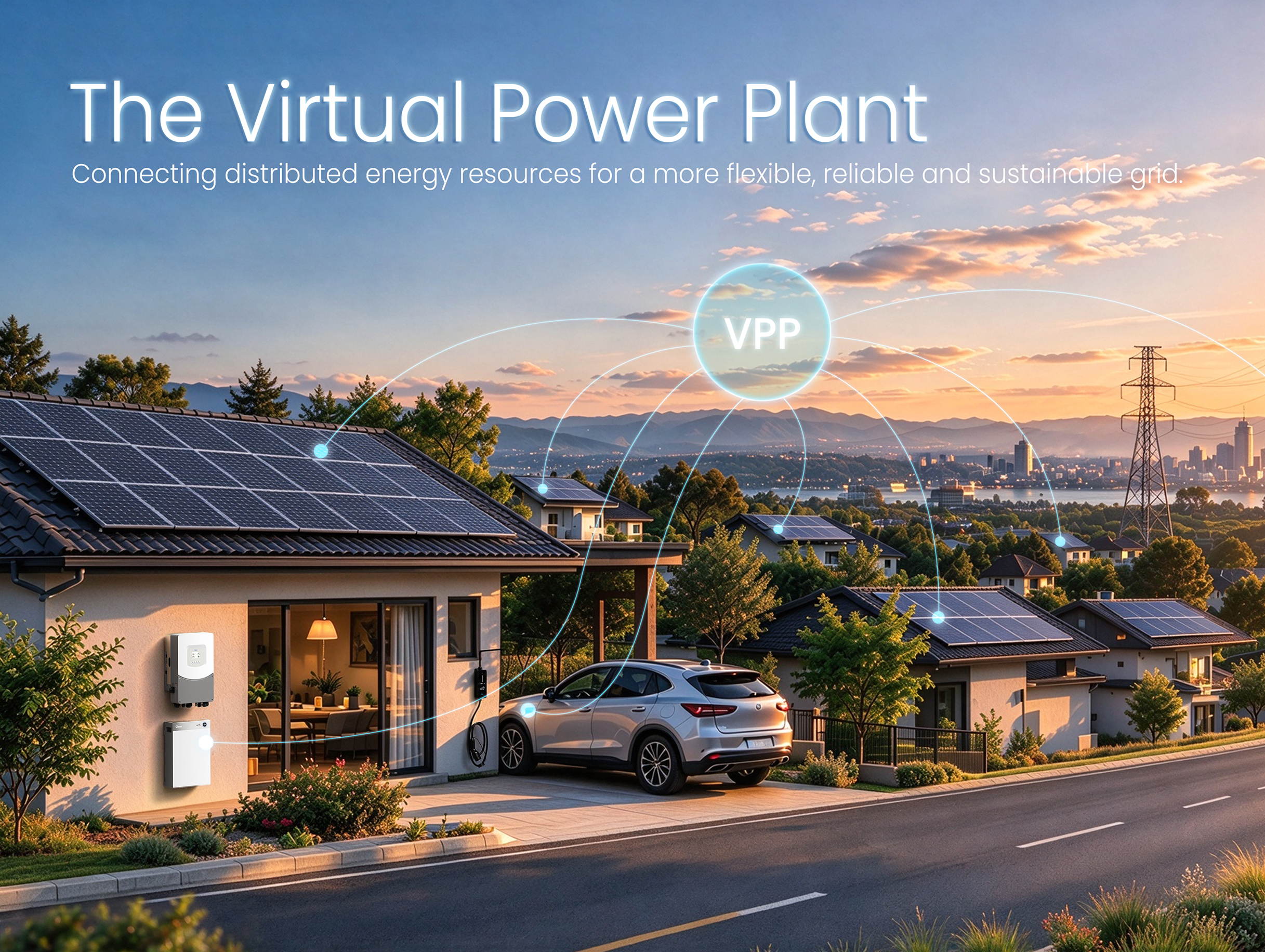 From Centralized Grids to Virtual Power Plants: The Next Evolution of the Power System
For more than a century, power systems around the world have relied on a centralized model. Large p...
-
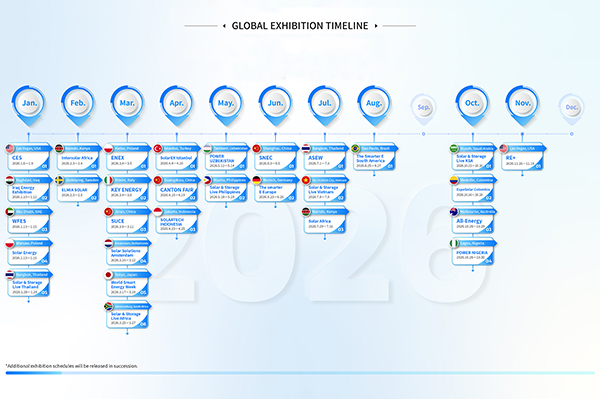 GLOBAL EXHIBITION TIMELINE
*Click to view larger image
-
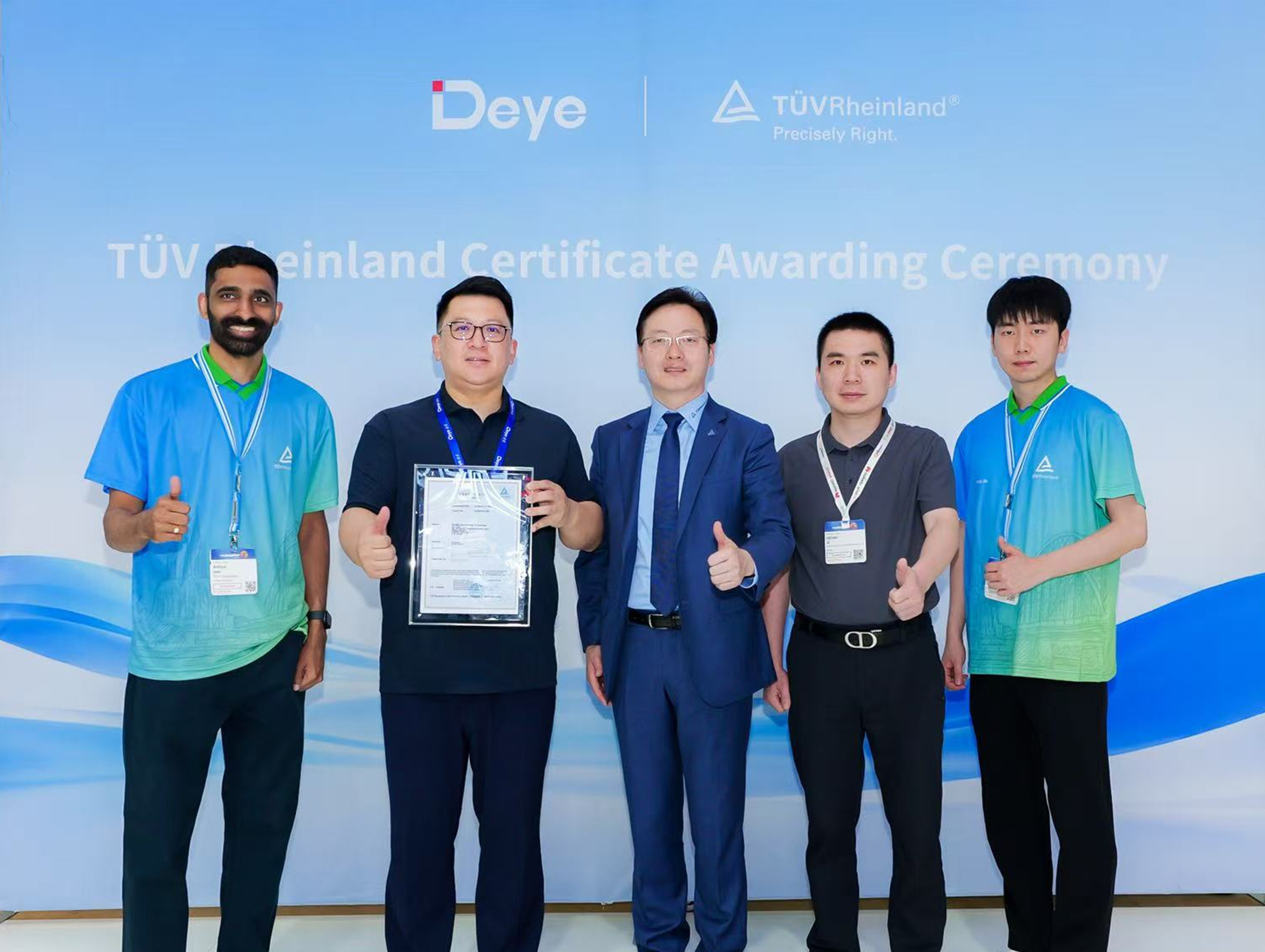 Deye Secures Multiple TÜV Rheinland Certifications at The smarter E Europe
On June 23, the opening day of The smarter E Europe 2026, Deye was officially awarded several presti...

Copyright@ 2024.Ningbo Deye Inverter Technology Co.,Ltd. All rights reserved. Solar Inverter Manufacturer
