
 Online Shop
 English
 China - 简体中文
 Global - English
 Brazil - Português
 Netherlands - Dutch
 Italy - Italiano
 Germany - Deutsch
 Spain - Español
 France - Français
 Vietnam - Tiếng Việt
 Poland - Polski
 Australia - English
 Japan - 日本語
Blog

High-Efficiency Three-Phase String Inverter for Modern Commercial Solar Systems
Modern commercial and industrial photovoltaic systems require more than a high nameplate power rating. A successful inverter must convert solar energy efficiently, operate reliably under changing weather and grid conditions, support demanding protection requirements, and provide useful monitoring information throughout the life of the installation. The SUN-18/20K-G06P3-EU-BM2-P1 is designed for these requirements as a three-phase string inverter with 18 kW and 20 kW output options, two maximum power point trackers, broad operating voltage capability, and a comprehensive set of electrical and environmental protection functions.
This product family is manufactured by Ningbo Deye Inverter Technology Co., Ltd., a technology manufacturer with experience in photovoltaic inverters, energy storage systems, microinverters, and environmental appliances. The company combines research and development, product design, production, sales, and service within an integrated business structure. Its inverter portfolio covers residential, commercial, industrial, and utility applications, allowing the company to apply experience from multiple market segments to the development of three-phase grid-connected equipment.
The SUN-18/20K-G06P3-EU-BM2-P1 is particularly suitable for commercial rooftops, agricultural buildings, small industrial facilities, distributed solar plants, and other three-phase applications where energy yield, compact installation, and grid compliance are important. Its 18 kW and 20 kW models accept up to 27 kW and 30 kW of PV input power respectively, enabling practical DC oversizing for installations that need stronger energy production during mornings, afternoons, and periods of reduced sunlight.
The following article examines the inverter’s design, electrical characteristics, protection functions, monitoring options, manufacturing strengths, installation value, and competitive advantages. It also explains how system designers can evaluate the product in relation to array configuration, grid requirements, maintenance planning, and long-term project performance.
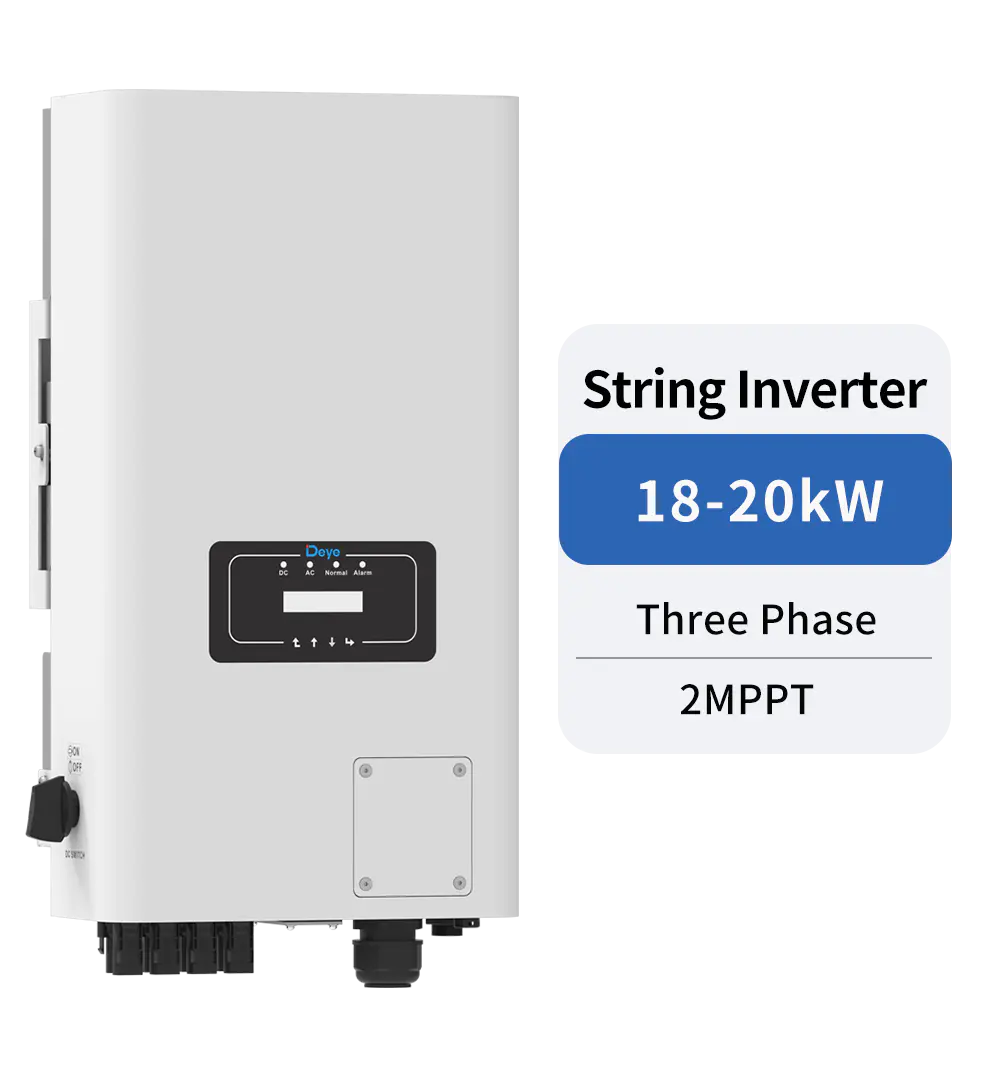
SUN-18/20K-G06P3-EU-BM2-P1
Product Overview and Application Positioning
The SUN-18/20K-G06P3-EU-BM2-P1 belongs to the three-phase string inverter category. Unlike a central inverter architecture, in which many PV strings are combined into a larger centralized conversion unit, a string inverter processes one or more groups of PV strings through a distributed inverter platform. This approach can simplify system design, reduce the impact of localized shading or module mismatch, and make phased project expansion easier.
The product includes two MPP trackers, with a string arrangement of two strings plus two strings across the trackers. This configuration gives installers greater flexibility when connecting PV modules on different roof orientations, roof pitches, or array sections. A building may have east-facing and west-facing roof surfaces, for example, or may include separate areas affected by ventilation equipment, parapets, chimneys, or other obstructions. Using two independent trackers can help the inverter optimize these different operating conditions more effectively than a single-tracker design.
Two rated power versions are available. The SUN-18K-G06P3-EU-BM2-P1 provides 18 kW of rated AC active power, while the SUN-20K-G06P3-EU-BM2-P1 provides 20 kW. Their maximum PV input power ratings are 27 kW and 30 kW respectively. This represents a substantial DC-to-AC ratio that can be useful in commercial projects. Oversizing the PV array allows the system to make better use of the inverter’s AC capacity over a longer part of the day, particularly when the array rarely reaches its maximum rated output because of temperature, orientation, soiling, or cloud conditions.
The inverter is intended for grid-connected operation and supports a three-phase, four-wire connection arrangement identified as 3L/N/PE. It supports nominal output systems of 220/380 V and 230/400 V, with an output voltage range of 0.85 to 1.1 times the nominal voltage. The rated grid frequency can be 50 Hz or 60 Hz, with corresponding frequency ranges of 45–55 Hz and 55–65 Hz.
In addition to standard grid-tied energy conversion, the product information identifies zero-export and VSG applications. Zero-export operation can be valuable where local regulations, utility agreements, or site economics restrict the amount of electricity that may be sent to the public grid. VSG, or virtual synchronous generator functionality, can support applications that require inverter behavior resembling certain grid-support characteristics. Actual availability and configuration should be verified against the selected market version, installation design, and applicable grid code.
High-Performance PV Input Design
The PV input stage is one of the most important factors in the practical performance of a string inverter. The SUN-18/20K-G06P3-EU-BM2-P1 has a maximum PV input voltage of 1,100 V, a start-up voltage of 140 V, and an MPPT voltage range of 120–1,000 V. These values provide designers with a broad operating window for selecting module counts and arranging strings.
A high maximum PV voltage allows longer strings in suitable climates and can reduce the number of parallel conductors required for a given array capacity. Longer strings may also reduce cable current and associated resistive losses, although cable selection, insulation, local regulations, and temperature-corrected open-circuit voltage must always be considered. The maximum voltage must never be exceeded under the lowest expected site temperature, because cold conditions can increase module open-circuit voltage.
The 120–1,000 V MPPT range provides useful flexibility for commercial arrays. A string can continue to operate effectively across a wide range of irradiance and module temperature conditions. The 140 V start-up voltage is also relevant to daily energy production: the inverter can begin its operating sequence once the PV array reaches the required voltage, after which the tracker can search for the appropriate maximum power point.
For the PV input current, the published maximum input short-circuit current is 32 A plus 32 A, while the maximum operating PV input current is 48 A plus 48 A. The product has two MPP trackers and supports two strings per tracker. These high current values make the inverter compatible with many contemporary high-power PV modules, including modules with higher operating current than older generations. However, installers must compare the actual module short-circuit current and maximum power current with the inverter’s input limits, including any required adjustment factors.
The product’s MPPT efficiency is specified as greater than 99 percent. This indicates that the tracking algorithm is designed to extract the available power from the array with very limited tracking loss. In practice, the energy benefit of MPPT performance is influenced by the array’s uniformity, shading behavior, module electrical characteristics, cable losses, and the quality of the installation. Nevertheless, a high MPPT efficiency rating is important for systems with variable irradiance and multiple operating conditions.
Compared with a basic inverter using a narrower input window or fewer trackers, this product offers a more adaptable platform for commercial rooftops. Its combination of 1,100 V maximum input voltage, 1,000 V upper MPPT limit, two independent trackers, and high input-current capability can reduce design restrictions. These features are especially valuable where modules are installed in multiple orientations or where the project uses high-current modules.
Practical PV Array Design Considerations
System designers should begin with a detailed electrical study rather than relying only on the inverter’s nominal power. The number of modules in each string should be selected using the module’s open-circuit voltage at the lowest expected ambient temperature, the module’s voltage at maximum power under representative conditions, and the inverter’s start-up and MPPT limits. The array should also be checked for maximum operating current and short-circuit current.
When two roof sections have different azimuths or shading profiles, strings with similar electrical behavior should normally be assigned to the same MPPT. Mixing significantly different orientations on one tracker can reduce the tracker’s ability to operate each array at its optimum point. Two trackers do not eliminate the need for careful engineering, but they provide more design freedom than a single-tracker inverter.
DC oversizing should also be evaluated according to the project’s energy objective. A 27 kW PV array connected to an 18 kW inverter, or a 30 kW PV array connected to a 20 kW inverter, may experience occasional clipping during high irradiance periods. This is not necessarily a design defect. The additional DC capacity may increase annual energy production by improving output during lower irradiance periods, but the expected clipping, module degradation, local climate, and utility rules should be modeled before final approval.
AC Output Capability and Grid Compatibility
The inverter delivers three-phase AC power at 18 kW or 20 kW of rated active power. Its maximum apparent power is 19.8 kVA for the 18 kW model and 22 kVA for the 20 kW model. The rated output current is listed as 27.3/26.1 A for the 18 kW model and 30.4/29 A for the 20 kW model, while maximum AC output current is listed as 30/28.7 A and 33.4/31.9 A respectively. The two current values correspond to the applicable nominal output voltage configurations.
The 3L/N/PE grid connection form makes the inverter appropriate for common three-phase commercial electrical systems that include three line conductors, a neutral conductor, and protective earth. Before installation, the project engineer must confirm that the local distribution network has the correct voltage, frequency, phase sequence, earthing arrangement, and protection coordination.
The product supports power factor adjustment from 0.8 leading to 0.8 lagging. This range gives the inverter the ability to provide or absorb reactive power within the limits of the grid code and operating configuration. Reactive power control can help satisfy utility requirements, support voltage management, or coordinate with a site’s broader power quality strategy. The permissible operating range and control mode may vary by country and certification setting.
Total current harmonic distortion is specified at less than 3 percent, and DC injection current is specified at less than 0.5 percent of rated current. Low harmonic distortion helps reduce the inverter’s contribution to waveform distortion in the electrical network. Low DC injection is also important because excessive direct current can affect transformers, protection devices, and other AC network components.
The inverter supports multiple grid regulations and standards, including IEC 61727, IEC 62116, CEI 0-21, EN 50549, NRS 097, RD 140, UNE 217002, OVE-Richtlinie R25, G99, and VDE-AR-N 4105. The specific certification applicable to a project depends on the target country, utility, product variant, and firmware or configuration settings. Installers should always use the current regional documentation and obtain approval from the relevant authority before connecting the system.
Efficiency and Energy Yield
The maximum efficiency of the SUN-18/20K-G06P3-EU-BM2-P1 is specified as 98.5 percent, while the Euro efficiency is specified as 98.0 percent. Maximum efficiency describes the best conversion point under favorable conditions. Euro efficiency is a weighted value intended to represent performance across a range of operating loads and is therefore useful when comparing products for typical European irradiance profiles.
A high efficiency rating reduces conversion losses and can improve annual energy yield. The difference between 98.5 percent and a lower-efficiency product may appear small, but the impact accumulates across thousands of operating hours and over many years. Lower conversion losses can also reduce heat generation inside the enclosure, supporting thermal management and potentially improving component longevity.
Efficiency should not be assessed in isolation. Annual system yield also depends on MPPT behavior, low-light performance, temperature derating, night-time consumption, clipping, cable losses, module degradation, availability, and maintenance. The SUN-18/20K-G06P3-EU-BM2-P1 combines its high peak efficiency with a broad MPPT voltage range and a high MPPT efficiency rating. This combination helps it remain competitive not only at full load but also during the variable operating conditions typical of rooftop solar.
For commercial users, the most valuable output is often the amount of usable energy delivered over a full year rather than the highest instantaneous efficiency figure. A system that starts reliably in the morning, tracks changing irradiance during the day, and continues producing efficiently in the afternoon may generate more useful energy than a system optimized only for short periods of peak sunlight.
Protection and Electrical Safety
Photovoltaic systems combine high DC voltage, high fault energy, changing environmental conditions, and direct exposure to weather. Comprehensive protection is therefore essential. The product includes a wide range of built-in electrical and operational protection functions intended to safeguard the inverter, the PV array, and the connected grid.
DC reverse polarity protection helps protect the input stage if a string is connected with incorrect polarity. Although installers should verify polarity before energizing the system, an additional protective layer reduces the risk of damage caused by wiring errors. AC output overcurrent protection, AC output overvoltage protection, and AC output short-circuit protection provide protection on the grid-facing side.
Thermal protection monitors operating temperature and helps prevent excessive thermal stress. Insulation impedance detection checks for potential insulation problems between the PV circuit and ground. This function is particularly important in outdoor systems where cable jackets, connectors, junction boxes, and module wiring can be affected by moisture, mechanical damage, ultraviolet exposure, or aging.
DC component monitoring helps identify unwanted direct-current components on the AC side. Residual current detection supports the identification of leakage-related conditions. Anti-islanding protection is included to help ensure that the inverter disconnects from the utility grid when the grid is absent or outside the permitted operating conditions. These functions support safer maintenance and help meet grid-interconnection expectations.
The inverter includes Type II surge protection on both the DC and AC sides. Surge protection can help limit transient overvoltages caused by switching events or nearby lightning activity. It does not replace a complete site lightning-protection system, appropriate earthing, cable routing, or external surge protection where required. A qualified electrical designer should coordinate all protection devices according to the site’s exposure and local standards.
A DC switch is included, providing a convenient method for isolating the PV input during commissioning or service procedures. The product also identifies an arc fault circuit interrupter as optional. AFCI capability may be particularly relevant in markets or applications where arc-fault detection is required or considered desirable. Whether the optional function is necessary should be decided according to local code, project risk assessment, and the selected product configuration.
| Category | SUN-18K-G06P3-EU-BM2-P1 | SUN-20K-G06P3-EU-BM2-P1 |
|---|---|---|
| Rated AC active power | 18 kW | 20 kW |
| Maximum PV input power | 27 kW | 30 kW |
| Maximum PV input voltage | 1,100 V | 1,100 V |
| Start-up voltage | 140 V | 140 V |
| MPPT voltage range | 120–1,000 V | 120–1,000 V |
| Number of MPP trackers | 2 | 2 |
| Maximum AC apparent power | 19.8 kVA | 22 kVA |
| Maximum AC output current | 30/28.7 A | 33.4/31.9 A |
| Maximum efficiency | 98.5% | 98.5% |
| Euro efficiency | 98.0% | 98.0% |
| Ingress protection | IP65 | IP65 |
| Weight | 12 kg | 12 kg |
Monitoring, Communication, and Energy Management
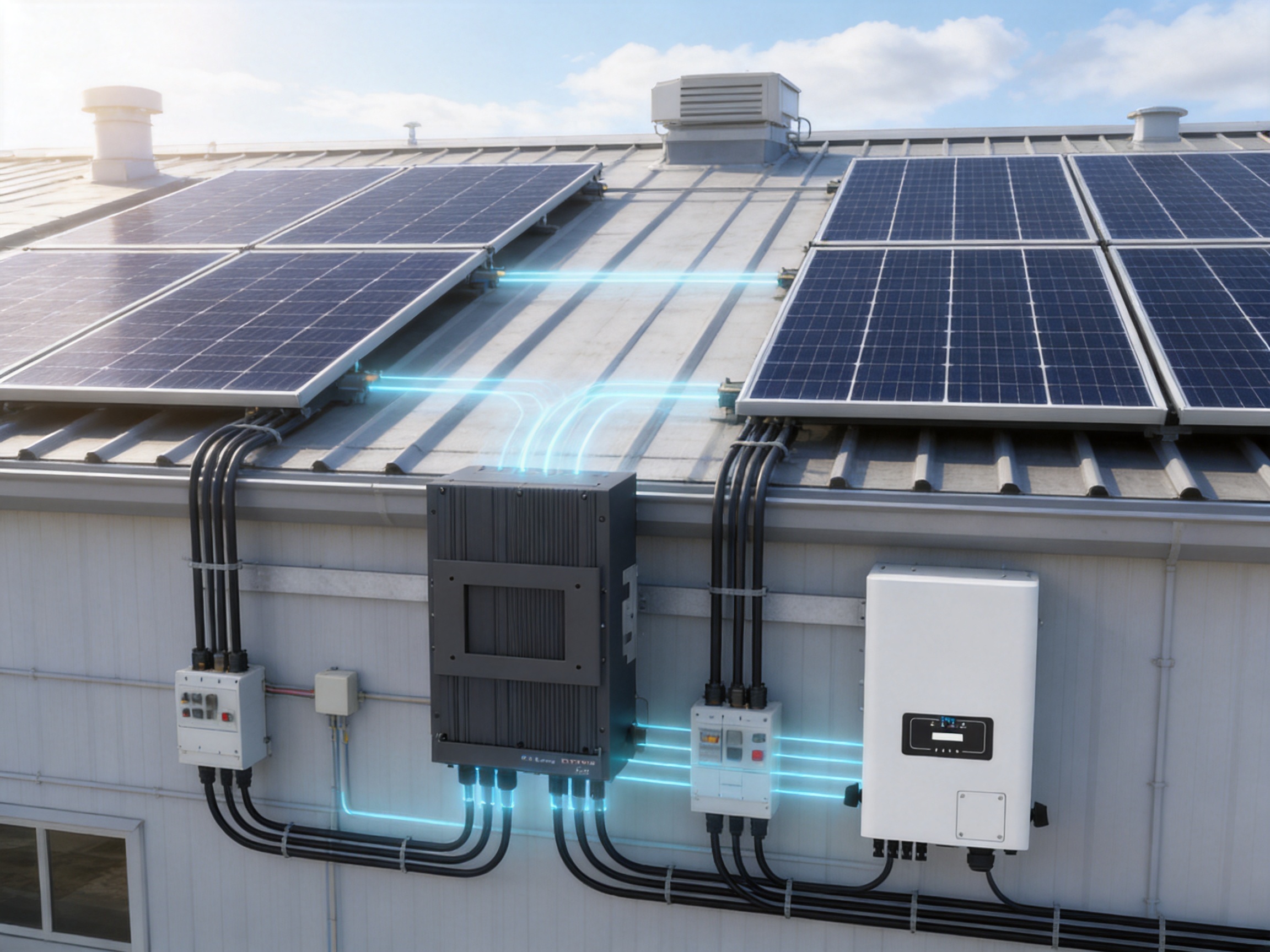
Monitoring is essential for commercial solar systems because performance problems can remain hidden when no one is regularly inspecting the equipment. The inverter provides RS485 and RS232 communication interfaces and supports optional GPRS, Wi-Fi, Bluetooth, 4G, and LAN monitoring modes. This range gives system integrators flexibility when selecting a communication architecture.
RS485 is widely used for inverter networks because it can support reliable communication over suitable cable distances and in electrically demanding environments. It can be used to connect the inverter with a data logger, plant controller, meter, or other monitoring equipment. RS232 may be useful for local communication or connection to compatible service tools, depending on the system design.
Wireless communication options can simplify deployment where new communication cabling would be inconvenient. Wi-Fi may be practical for buildings with suitable local network coverage, while 4G or GPRS can support locations without a dependable site network. Bluetooth can assist with local commissioning or service access. LAN communication may be preferred for stable, managed connectivity in commercial buildings.
The product supports string intelligent monitoring as an optional function. String-level visibility can help operators identify abnormal current, disconnected strings, mismatch, shading, connector problems, or progressive performance degradation. Without string monitoring, a system may continue operating while a portion of the array produces less energy than expected. With appropriate monitoring, maintenance teams can prioritize inspections and reduce troubleshooting time.
Monitoring data can also support performance analysis. Operators can compare daily yield, historical production, inverter availability, input voltage, input current, output power, and fault records. When these values are analyzed alongside weather data and site consumption, the owner can better understand whether a reduction in energy is caused by irradiance, equipment behavior, shading, soiling, or grid conditions.
Zero-export applications require coordinated measurement and control. A compatible meter or energy management device normally measures the site’s import and export power and communicates with the inverter or plant controller. When properly configured, the system can adjust inverter output to keep power flow within the desired export limit. The design should account for meter placement, communication latency, load changes, and the response requirements of the utility or site owner.
Mechanical Design and Outdoor Installation
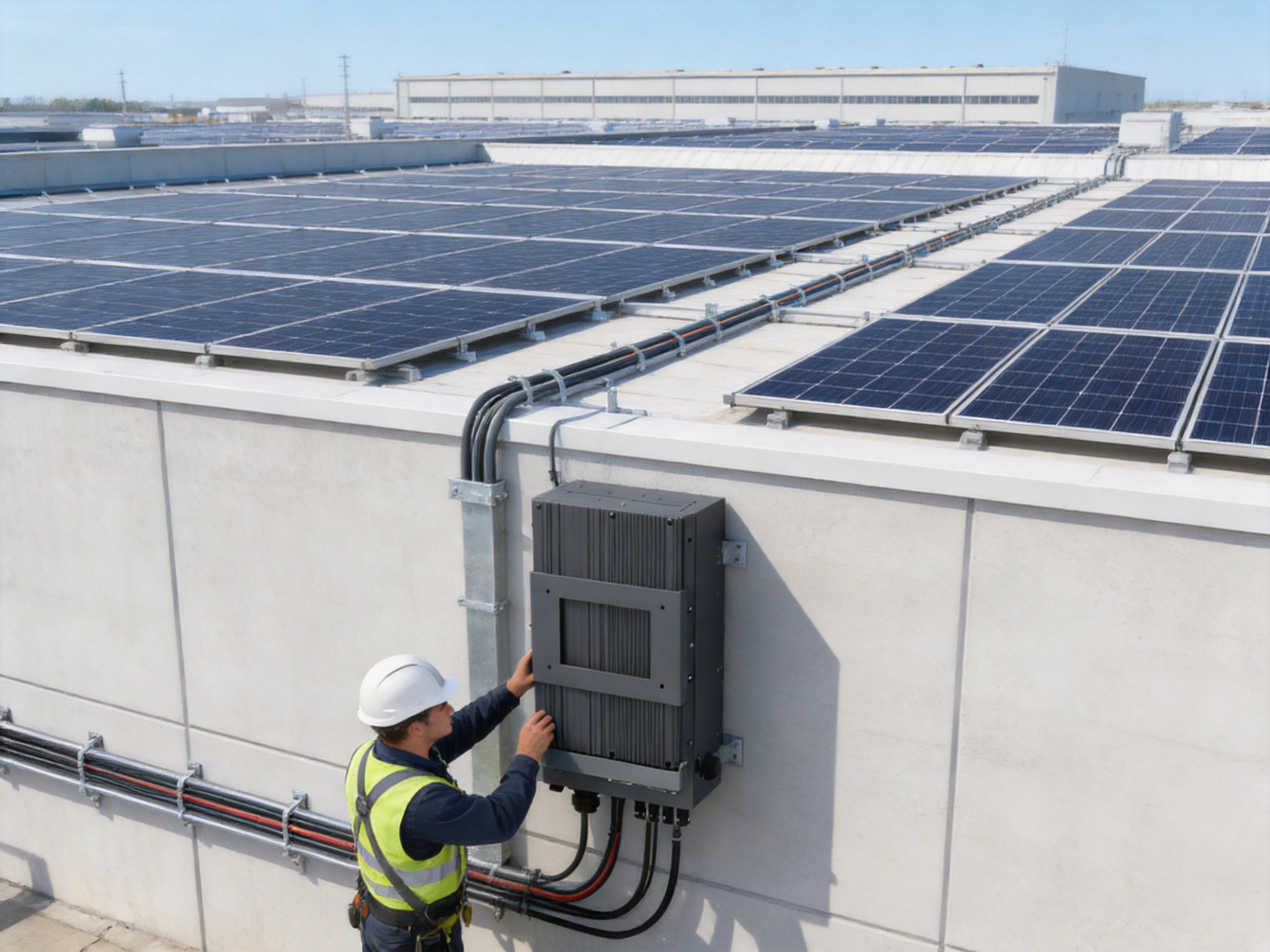
The inverter has an IP65 ingress protection rating. This makes it suitable for outdoor installation when the mounting location, cable entries, clearances, and environmental conditions comply with the installation instructions. IP65 indicates protection against dust ingress and water jets from various directions, but it does not mean the inverter can be submerged or installed without regard to weather exposure.
The stated cabinet dimensions are 283 by 525 by 188 millimeters, excluding connectors and brackets. With a listed weight of 12 kilograms, the unit is relatively compact for its power class. A compact and lightweight enclosure can reduce transport effort, simplify wall mounting, and make installation more practical on commercial buildings where access may be restricted.
Despite its manageable size, the installer must mount the inverter on a structurally adequate surface. The wall or support frame must withstand the equipment weight, wind loads, vibration, and environmental conditions. Adequate clearance should be maintained around the unit to support ventilation, inspection, and service access. Direct exposure to extreme heat should be avoided where possible, because high ambient temperatures can cause output derating in many power electronic devices.
The listed operating temperature range is stated as -25 to -60 degrees Celsius in the supplied product information. Because this range is unusual as written, project engineers should verify the intended upper temperature limit in the latest official datasheet and installation manual before final equipment selection. The verified value should be compared with the maximum ambient temperature at the installation site, including the temperature rise that may occur inside rooftop equipment zones or partially enclosed spaces.
The permissible ambient humidity is listed as 0–100 percent, and the permissible altitude is listed as up to 4,000 meters. Altitude can affect cooling performance and dielectric stress, so the installation should follow any applicable derating or configuration requirements for high-elevation sites. Humidity, condensation, salt mist, dust, and corrosive atmospheres should also be evaluated when selecting the mounting position.
Noise is specified at no more than 45 dB. This relatively low acoustic level can be beneficial for commercial premises, agricultural facilities, and mixed-use properties where equipment noise must be controlled. The inverter uses intelligent air cooling, which balances thermal performance with practical acoustic behavior. Air inlets and outlets should remain unobstructed, and the unit should not be installed in a location where dust accumulation can quickly restrict airflow.
Manufacturing Strengths and Quality Approach
The capabilities of a solar inverter manufacturer extend beyond the product datasheet. Long-term reliability depends on component selection, printed circuit board quality, thermal design, software development, production consistency, inspection, traceability, and after-sales support. Ningbo Deye Inverter Technology Co., Ltd. operates as an integrated technology manufacturing enterprise with research and development, design, production, sales, and service functions.
This integrated structure can improve coordination between engineering and manufacturing. Product designers can receive direct feedback from production teams, field service departments, installers, and international markets. Manufacturing teams can apply engineering changes more consistently when design documentation, process controls, and quality management are managed within a connected organization.
The company was founded in 2000 and was listed on the Shanghai Stock Exchange in April 2021. Its product portfolio includes string inverters, energy storage inverters, microinverters, battery systems, and related energy management technologies. Experience across these product categories is valuable because modern solar installations increasingly combine PV generation, batteries, electric vehicle charging, and intelligent load control.
A broad product portfolio also supports system-level thinking. A manufacturer that understands both grid-connected PV and energy storage can design communication interfaces, control strategies, and monitoring platforms with future integration in mind. The SUN-18/20K-G06P3-EU-BM2-P1 includes zero-export and VSG-related application capabilities, reflecting the growing need for inverters to do more than simply convert DC power into AC power.
Advanced manufacturing should include controlled assembly processes for power semiconductor devices, magnetic components, capacitors, connectors, protective devices, control boards, and enclosure assemblies. It should also include inspection of solder joints, torque-controlled electrical connections, insulation performance, grounding continuity, communication interfaces, and protective functions. Automated or semi-automated production can improve repeatability, while final functional testing helps identify defects before shipment.
Thermal management is another important manufacturing consideration. High-efficiency power conversion does not eliminate heat; it reduces the amount of energy lost as heat. The remaining heat must be transferred away from semiconductor devices and other sensitive components. Proper thermal interface materials, heat sinks, airflow paths, fan or cooling control, temperature sensing, and enclosure design all influence long-term reliability.
Manufacturing quality is particularly important for outdoor inverters because the equipment may experience temperature cycling, humidity changes, vibration during transport, ultraviolet exposure, dust, and electrical transients. Validation testing may include environmental stress, insulation testing, electromagnetic compatibility testing, thermal cycling, vibration evaluation, protective-function verification, and communication reliability checks. The applicable tests depend on the product design, target market, and certification program.
The company’s international market presence also creates a need for regional compliance management. The published grid regulations and safety standards cover multiple regions, including Europe, Australia, South Africa, and other markets. Maintaining region-specific documentation, firmware settings, certificates, and installation instructions is essential for reliable deployment. Project developers should ensure that the exact model suffix and market configuration match the approval required by the local utility.
Research and Development Capability
Photovoltaic inverter development requires expertise in power electronics, embedded software, control algorithms, grid interaction, thermal engineering, mechanical design, communications, cybersecurity, and certification. The manufacturer’s focus on PV inverters and energy storage systems provides a technical foundation for developing products that can operate within increasingly complex electrical networks.
Software and control development are especially important for functions such as MPPT, reactive power control, anti-islanding protection, zero export, fault detection, grid support, and communication. These functions must operate quickly and consistently while remaining understandable to installers and service personnel. Firmware updates and configuration tools can also help a product adapt to changing grid requirements, provided updates are controlled and validated.
The company’s energy IoT ecosystem, including the Deye Cloud App and related management technologies, supports a more connected approach to PV operation. Monitoring platforms can transform inverter data into practical information for installers, owners, and service teams. This helps shift maintenance from a purely reactive model toward condition-based and performance-based maintenance.
Advantages Compared with Basic Competitor Designs
Every inverter comparison should be based on the actual system requirement rather than a single headline specification. However, the SUN-18/20K-G06P3-EU-BM2-P1 offers several advantages over basic or less capable competing designs.
First, its two-MPPT architecture provides greater array-layout flexibility than a single-MPPT inverter. This matters on commercial rooftops with multiple orientations or moderate localized shading. The separate trackers can reduce the electrical interaction between differently oriented array sections and can help preserve energy yield when the roof layout is not uniform.
Second, the 1,100 V maximum PV input voltage and 1,000 V MPPT range give designers more freedom in string sizing than products with lower voltage limits. The combination can support longer strings and lower current on long DC cable runs, subject to correct engineering. This can reduce conductor requirements and simplify larger rooftop layouts.
Third, the product supports high PV input current. Modern modules are increasingly available with higher current ratings, and some older inverter platforms may impose restrictive current limits. The published 48 A plus 48 A maximum operating current gives the installer a broader compatibility envelope, though the precise module-to-inverter match must still be verified.
Fourth, the inverter combines high conversion efficiency with greater than 99 percent MPPT efficiency. A competitor may have a similar peak efficiency but a narrower MPPT window or weaker performance under variable conditions. Evaluating both conversion efficiency and tracking efficiency provides a more meaningful picture of expected field performance.
Fifth, the integrated protection package is comprehensive. DC reverse polarity protection, insulation impedance detection, anti-islanding protection, residual current detection, surge protection, AC fault protection, thermal protection, and a DC switch reduce the need to rely solely on external devices. External protection is still required where specified by local regulations, but integrated functions can simplify coordination and improve equipment-level safety.
Sixth, optional string intelligent monitoring and multiple communication choices provide a scalable monitoring path. A small commercial system may begin with basic local communication and later add cloud access, cellular connectivity, or more detailed string supervision. This flexibility can be preferable to an inverter platform that requires a single proprietary communication method from the beginning.
Seventh, the compact 12 kg enclosure can lower installation effort relative to heavier equipment in the same general power range. Weight is not the only consideration, but lighter equipment can be beneficial where rooftop access, labor availability, or structural constraints affect project costs.
Finally, the product is supported by a manufacturer with a broad portfolio spanning PV generation, storage, microinverters, and energy management. This can be an advantage for distributors, engineering companies, and installers seeking a consistent supplier across multiple project types. A broad supplier platform may also simplify training, spare-parts planning, and future system expansion.

System Integration for Commercial and Industrial Sites
Commercial and industrial facilities often have uneven electricity demand. Their highest consumption may occur during business hours, production shifts, refrigeration cycles, or scheduled equipment operation. A three-phase inverter can support direct solar self-consumption during these periods, reducing purchased electricity and potentially lowering demand-related costs depending on the tariff structure.
The 18 kW and 20 kW power classes are suitable for many distributed rooftop installations. Multiple units can be deployed for larger facilities, provided that the AC distribution system, protection coordination, communications network, and export-control strategy are designed as an integrated system. Parallel deployment may also provide operational redundancy: a fault in one inverter does not necessarily stop the entire PV plant.
For sites with limited export permission, the zero-export function can be an important project feature. The system should include a properly selected power meter and an appropriate control arrangement. The meter must be installed at the correct grid connection point, and the commissioning team should test rapid changes in site load to confirm that export remains within the permitted limit.
Where a battery is added later, compatibility must be evaluated carefully. The SUN-18/20K-G06P3-EU-BM2-P1 is presented as a grid-connected string inverter, not as a battery hybrid inverter. A future storage system may therefore require AC coupling, a dedicated energy storage inverter, or a broader plant controller. The selected architecture should consider round-trip efficiency, backup requirements, export control, protection, and communication interoperability.
Electric vehicle charging can also change the site’s load profile. When an EV charger operates during solar production hours, it may increase on-site consumption and reduce grid export. A coordinated energy management system can use inverter and charger data to balance PV generation, building loads, and charging schedules. The manufacturer’s broader product portfolio includes EV charging and energy management technologies, which may support system-level integration when the appropriate compatible products are selected.
Installation and Commissioning Recommendations
Installation should be performed by qualified professionals who understand high-voltage DC systems, three-phase distribution networks, local electrical codes, and the relevant grid connection procedures. The inverter should be inspected on delivery for shipping damage, correct model designation, complete accessories, and intact seals or connectors.
The mounting location should provide adequate structural support, airflow, access, and protection from unnecessary environmental stress. Installers should avoid areas prone to flooding, persistent condensation, direct mechanical impact, corrosive vapors, excessive dust, or unmanageable heat. Cable routes should be planned to minimize unnecessary loops, avoid sharp bends, and maintain separation between power and communication wiring where required.
Before connecting PV strings, each string should be checked for polarity, open-circuit voltage, insulation condition, and continuity. The measured open-circuit voltage must remain below the inverter’s maximum DC voltage under the coldest expected conditions. String currents and module ratings should be compared with the input limits. Connectors should be of compatible type and installed using the correct tools and crimping procedures.
On the AC side, the installer should verify phase sequence, line-to-neutral voltage, line-to-line voltage, frequency, protective earth continuity, neutral arrangement, breaker rating, and cable sizing. The AC protection device should be coordinated with the inverter’s rated and maximum current. The connection must comply with the requirements of the local distribution network operator.
Commissioning should include configuration of country or grid-code settings, power factor behavior, active power limits, export-control parameters, communication settings, and monitoring access. The installer should record key values, including serial number, firmware version, string voltage, string current, AC voltage, AC current, frequency, and alarm history.
After startup, the system should be observed under different load and irradiance conditions. The commissioning team should confirm that the inverter tracks correctly, produces balanced three-phase output, communicates with the monitoring platform, responds to grid disturbances as required, and reports faults accurately. Export-limiting performance should be tested where applicable.
Maintenance and Long-Term Reliability
Although string inverters are designed for relatively low routine maintenance, regular inspection is still important. Operators should review monitoring data for unexpected reductions in production, repeated alarms, unusual temperature behavior, communication loss, or imbalance between strings. Early detection can prevent a minor issue from becoming a prolonged outage.
Visual inspections should check the enclosure, mounting hardware, cable glands, connectors, DC switch, AC connections, and surrounding ventilation area. Dust, leaves, bird activity, insects, or construction debris should not be allowed to block airflow or interfere with cable entries. In coastal or industrial environments, corrosion inspection may need to be more frequent.
Thermal imaging can help identify loose connections, overloaded conductors, damaged connectors, or abnormal heating. Electrical testing should be carried out only by qualified personnel using procedures suitable for energized or isolated PV equipment. The presence of sunlight means that PV strings may remain electrically live even when the inverter is disconnected from the AC grid.
Monitoring software can support preventive maintenance by comparing current performance with historical patterns. For example, a sudden reduction in one MPPT’s current may indicate a disconnected string, shading, soiling, or a connector issue. A gradual decline across all strings may suggest soiling, seasonal variation, module degradation, or a broader environmental factor. Data should always be interpreted alongside irradiance and temperature information.
The standard warranty is listed as five years, with extended warranty availability. Warranty terms, extension conditions, response procedures, and regional service arrangements should be confirmed in the commercial agreement. A project owner may also benefit from maintaining critical spare parts, documenting installation parameters, and retaining commissioning records for the full operating life of the system.
Environmental and Operational Value
Solar inverters contribute to environmental value by enabling electricity generation from photovoltaic modules. High conversion efficiency helps maximize the energy obtained from a given PV array, while compact construction can reduce material and transport requirements. A reliable inverter also helps avoid premature replacement and the environmental cost associated with unnecessary equipment disposal.
The product’s IP65 enclosure and broad stated environmental capabilities support deployment in outdoor solar plants. Its low specified noise level can make it suitable for buildings where acoustic impact is important. Intelligent air cooling provides thermal management without requiring a large external cooling system, although the installation must still protect the equipment from excessive heat and blocked airflow.
Energy yield is also connected to asset utilization. A commercial rooftop represents a valuable generation area, and the inverter’s DC oversizing capability can help use that area efficiently. By accepting up to 27 kW or 30 kW of PV input power, the two model options can continue producing useful energy during lower-irradiance periods when a smaller array might leave the inverter underutilized.
Environmental performance should be assessed across the entire system. Correct module selection, efficient cables, proper ventilation, responsible packaging, repairability, software support, and end-of-life recycling all matter. Manufacturers, distributors, installers, and owners share responsibility for maintaining safe and efficient equipment throughout its service life.
Why Manufacturer Scale Matters to Buyers
For a commercial buyer, the product is only one part of the procurement decision. The manufacturer’s ability to provide documentation, technical training, firmware support, warranty processing, spare parts, and regional service can have a significant impact on total ownership cost.
A company selling products in more than 140 countries and regions must manage multiple electrical standards, communication environments, languages, installation practices, and regulatory requirements. This international experience can benefit projects that involve multinational developers, distributors, or engineering contractors. It can also help the manufacturer identify recurring field issues and incorporate lessons into future designs.
The manufacturer’s range from 1 kW to 136 kW string inverters, 3 kW to 80 kW energy storage inverters, and 300 W to 2.2 kW microinverters provides solutions for different system scales. Such breadth may allow an installer to standardize training and procurement across residential and commercial projects. It also creates opportunities to match the architecture to the building rather than forcing every project into one inverter category.
Manufacturing scale can support purchasing continuity, but buyers should still confirm product availability, lead times, regional certification, and technical support for the exact model. The best inverter choice is one that meets the site’s electrical requirements and can be supported throughout the project’s expected operating period.
Technical Selection Checklist
Before selecting the SUN-18/20K-G06P3-EU-BM2-P1, a project team should confirm the following points:
The PV array’s maximum cold-weather open-circuit voltage must remain below 1,100 V. The expected operating voltage must fall within the 120–1,000 V MPPT range for the relevant operating conditions.
The short-circuit current and maximum operating current of the selected PV modules must be compatible with the inverter’s published input limits. Parallel string arrangements should be reviewed for each MPP tracker.
The DC-to-AC ratio should be modeled using local solar irradiance, module temperature, roof orientation, shading, degradation, and expected clipping. A higher DC ratio can be beneficial, but it should be economically justified.
The AC voltage, frequency, phase arrangement, neutral connection, and earthing system must match the local network. The applicable grid code and utility approval requirements must be confirmed before purchase.
The site must have suitable mounting support, ventilation, environmental protection, cable routing, and access for maintenance. The published operating temperature range should be verified in the latest official product documentation.
Monitoring requirements should be defined in advance. The project may require RS485, LAN, cellular communication, Wi-Fi, Bluetooth, string monitoring, remote firmware management, or integration with a third-party energy management system.
Zero-export projects should include a compatible meter and a tested control strategy. The permitted export limit, meter location, communication path, and fail-safe behavior should be documented.
Optional features such as AFCI and anti-PID functions should be evaluated according to local requirements, module technology, site conditions, and project risk.
Warranty duration, extension options, service response, replacement procedures, and regional technical support should be included in the procurement evaluation.
Questions and Answers
What type of inverter is the SUN-18/20K-G06P3-EU-BM2-P1?
It is a three-phase string inverter designed for grid-connected photovoltaic systems. The family includes an 18 kW model and a 20 kW model, both using two MPP trackers.
What is the maximum PV input power?
The 18 kW version accepts up to 27 kW of PV input power, while the 20 kW version accepts up to 30 kW. The actual permitted array size should be confirmed through the latest design documentation and local requirements.
How many MPPTs does the inverter have?
The inverter has two MPP trackers and supports two strings per tracker according to the supplied specifications. This arrangement can help accommodate multiple roof orientations or array sections.
What is the maximum PV input voltage?
The maximum PV input voltage is 1,100 V. Designers must calculate cold-weather open-circuit voltage and ensure that the maximum is not exceeded under any expected operating condition.
What is the MPPT voltage range?
The MPPT voltage range is 120–1,000 V, with a start-up voltage of 140 V. String voltage should be designed to remain within the appropriate range across the expected temperature and irradiance conditions.
What are the efficiency ratings?
The maximum efficiency is 98.5 percent, the Euro efficiency is 98.0 percent, and the MPPT efficiency is specified as greater than 99 percent.
Can the inverter be used for zero-export systems?
The product information identifies zero-export applications as supported. A compatible meter and appropriate control arrangement are normally required. The exact configuration should be confirmed for the local market and project design.
Does it support reactive power control?
Yes. The stated power factor adjustment range is 0.8 leading to 0.8 lagging, subject to applicable operating limits and grid-code settings.
What protection functions are included?
Protection functions include DC reverse polarity protection, AC output overcurrent protection, AC output overvoltage protection, AC short-circuit protection, thermal protection, insulation impedance detection, DC component monitoring, anti-islanding protection, residual current detection, Type II DC and AC surge protection, and a DC switch. AFCI is listed as optional.
Is the inverter suitable for outdoor installation?
It has an IP65 enclosure rating and is intended for suitable outdoor applications. The mounting position must provide adequate support, ventilation, environmental protection, and service access.
How much does the inverter weigh?
The listed weight is 12 kilograms for the product family. Mounting hardware and connectors may add to the total installation weight.
What communication interfaces are available?
The inverter provides RS485 and RS232 communication interfaces. Optional monitoring modes include GPRS, Wi-Fi, Bluetooth, 4G, and LAN. String intelligent monitoring is also identified as optional.
What is the warranty period?
The standard warranty is listed as five years, with extended warranty options available. Buyers should verify the terms for their region and commercial agreement.
What type of cooling does the inverter use?
It uses intelligent air cooling. Adequate clearance and clean airflow paths are necessary to maintain thermal performance.
What grid connection does it use?
The listed grid connection form is 3L/N/PE, meaning three line conductors, neutral, and protective earth. The system voltage and local electrical arrangement must be verified before installation.
Is the inverter appropriate for residential projects?
Its 18 kW and 20 kW three-phase ratings are generally more aligned with commercial, agricultural, and larger residential applications than with small single-phase homes. Suitability depends on the building’s service capacity, consumption profile, and local grid requirements.
What should be verified before purchasing?
Buyers should verify the exact model, regional certification, grid-code setting, PV module compatibility, temperature range, communication accessories, export-control equipment, warranty terms, and installation requirements using the latest official documentation.
Conclusion
The SUN-18/20K-G06P3-EU-BM2-P1 is a capable three-phase string inverter for commercial and industrial photovoltaic applications. Its key strengths include 18 kW and 20 kW output options, high DC input capacity, a 1,100 V maximum PV voltage, a broad 120–1,000 V MPPT range, two MPP trackers, high input-current capability, 98.5 percent maximum efficiency, and greater than 99 percent MPPT efficiency.
The product also provides a substantial set of protection functions, flexible communication options, optional string monitoring, zero-export application support, reactive power control, IP65 outdoor protection, and a compact 12 kg enclosure. These features make it a practical option for rooftops and distributed solar plants where array flexibility, reliable operation, and monitoring are important.
Its competitive value is strengthened by the manufacturer’s integrated research, design, production, sales, and service structure. Experience across string inverters, microinverters, energy storage, EV charging, and energy management supports the development of products suited to increasingly interconnected energy systems. Manufacturing scale, international certification experience, and a broad product portfolio can also help installers and project owners standardize deployment and support.
As with any grid-connected power-conversion product, correct system design remains essential. PV voltage, current, AC connection, grid code, environmental conditions, export control, protection coordination, monitoring, and maintenance requirements must all be reviewed by qualified professionals. When correctly matched to the site, the SUN-18/20K-G06P3-EU-BM2-P1 offers a balanced combination of efficiency, flexibility, safety, compact construction, and long-term commercial solar value.
References
1. Product datasheet for the SUN-18/20K-G06P3-EU-BM2-P1, supplied technical specifications.
2. Installation and operating instructions for the SUN-18/20K-G06P3-EU-BM2 series.
3. IEC 62109-1 and IEC 62109-2, safety of power converters for use in photovoltaic power systems.
4. IEC 61727, photovoltaic systems and utility interface characteristics.
5. IEC 62116, testing procedure of islanding prevention measures for utility-interconnected photovoltaic inverters.
6. EN 50549, requirements for the connection of generators in parallel with public distribution networks.
7. IEC 61000 series, electromagnetic compatibility requirements and testing methods.
8. Manufacturer information concerning photovoltaic inverters, energy storage systems, monitoring technologies, and commercial solar solutions.
Product: SUN-18/20K-G06P3-EU-BM2-P1
PREV:600–1000W Single-Phase Microinverter for High-Performance Residential Solar Systems
NEXT:Advanced Inverter Data Logging for Smarter Solar Energy Management
Share
Product recommendations
news recommendations
-
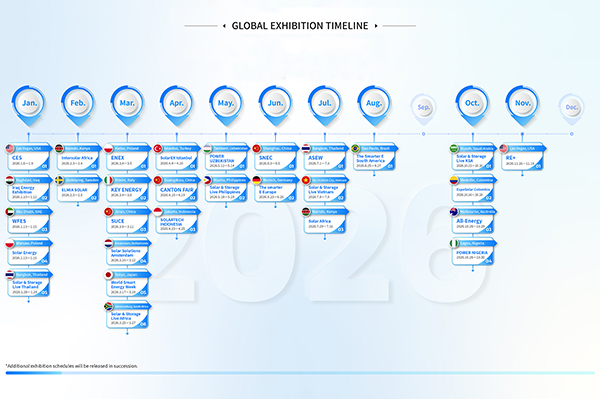 GLOBAL EXHIBITION TIMELINE
*Click to view larger image
-
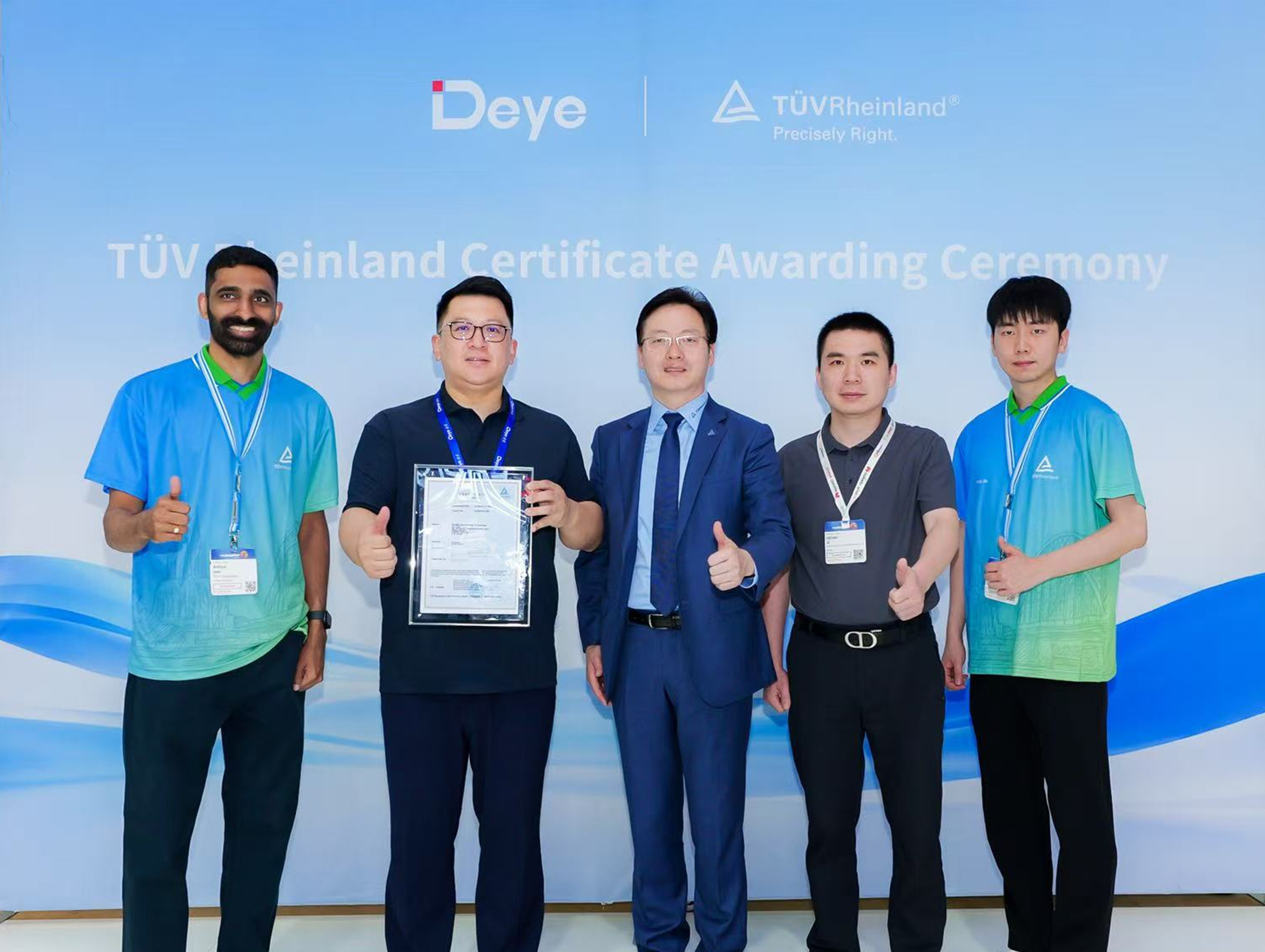 Deye Secures Multiple TÜV Rheinland Certifications at The smarter E Europe
On June 23, the opening day of The smarter E Europe 2026, Deye was officially awarded several presti...
-
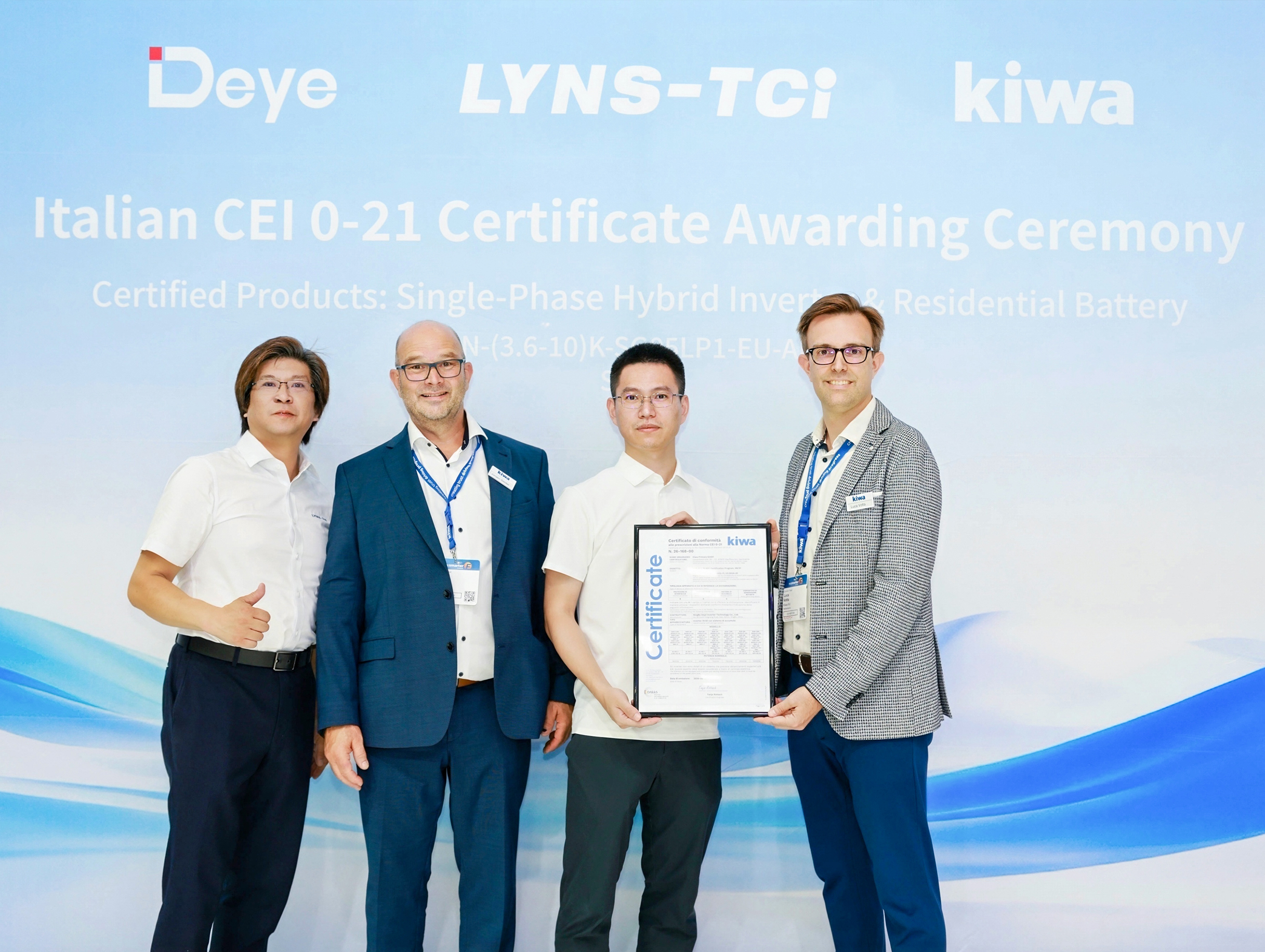 Deye Next-Gen Residential Energy Storage Products Receive Italian CEI 0-21 Certification from Kiwa
At The smarter E Europe 2026, Deye, a leading supplier of inverters and energy storage solutions, of...

Copyright@ 2024.Ningbo Deye Inverter Technology Co.,Ltd. All rights reserved. Solar Inverter Manufacturer
