
 Online Shop
 English
 China - 简体中文
 Global - English
 Brazil - Português
 Netherlands - Dutch
 Italy - Italiano
 Germany - Deutsch
 Spain - Español
 France - Français
 Vietnam - Tiếng Việt
 Poland - Polski
 Australia - English
 Japan - 日本語
Blog

High-Performance Off-Grid Solar Inverters for Reliable Energy Independence
Introduction
Reliable energy access is becoming increasingly important for homes, farms, workshops, remote facilities, and small commercial sites. Grid instability, rising electricity costs, extreme weather, and the need for flexible energy storage have created strong demand for capable off-grid and backup power systems. The SUN-3/3.6/5/6.6/8.8K-OG03LP1-EU-AM1/AM2 series is designed to meet these requirements with a compact, scalable, and highly integrated inverter platform.
This product family combines photovoltaic conversion, battery charging and discharging, backup power management, generator or grid input, and intelligent energy control in one system. Available in several power classes from 3 kW to 8.8 kW, the series can support different residential and light commercial applications without requiring an entirely different system architecture for each installation.
The inverter is built for users who need dependable power when the public grid is unavailable or unreliable. It supports lead-acid and lithium-ion batteries, accepts high-current photovoltaic modules, offers up to two times photovoltaic oversizing capability, and can deliver two times its rated output for ten seconds. With a four-millisecond on-grid and off-grid switching time, the system can help protect sensitive loads while providing a smooth transition between energy sources.
Beyond its electrical specifications, the series emphasizes practical installation. Its lightweight housing, IP65 protection rating, intelligent air cooling, integrated communication interfaces, and parallel operation capability make it suitable for both new installations and energy system upgrades.
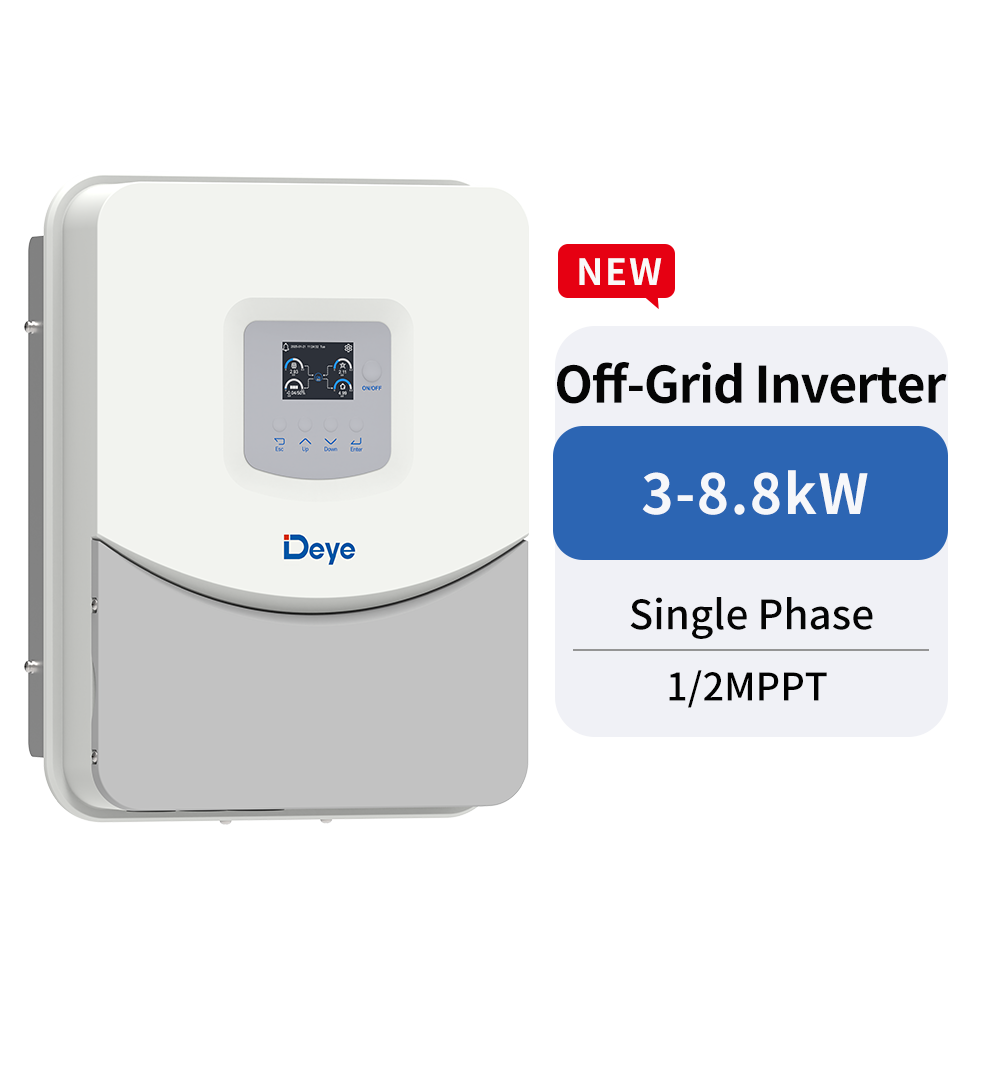
SUN-3/3.6/5/6.6/8.8K-OG03LP1-EU-AM1/AM2
Product Overview
The SUN-3/3.6/5/6.6/8.8K-OG03LP1-EU-AM1/AM2 family is a single-phase off-grid inverter platform with pure sine wave output. It is engineered for 230-volt systems and can operate at either 50 Hz or 60 Hz. The range includes several output power options so that system designers can match the inverter to the expected load profile, battery capacity, and photovoltaic array size.
The series is available in the following primary power classes:
| Model Class | Rated AC Output | Maximum AC Output Current | Typical Application |
|---|---|---|---|
| 3 kW | 3,000 VA/W | 13.1 A | Small homes, cabins, communication rooms, and essential-load systems |
| 3.6 kW | 3,600 VA/W | 15.7 A | Residential backup and medium-size standalone systems |
| 5 kW | 5,000 VA/W | 21.8 A | Full-home backup, workshops, farms, and small commercial loads |
| 6.6 kW | 6,600 VA/W | 28.7 A | Larger homes, agricultural facilities, and high-demand off-grid sites |
| 8.8 kW | 8,800 VA/W | 38.3 A | Large residential, commercial, and distributed energy applications |
The product family includes AM1 and AM2 configurations, with battery voltage and current arrangements corresponding to the specific power class. The 3 kW 24-volt version uses a 20 to 30 volt battery range, while the other listed versions generally use a 40 to 60 volt battery range. Installers should always confirm the exact model designation, battery voltage, and electrical configuration before system commissioning.
Key Technical Advantages
High Battery Charging and Discharging Capability
Battery current is one of the most important performance factors in an off-grid inverter. High current allows the system to deliver greater power from the battery bank and to recharge the battery more quickly when sufficient photovoltaic or generator power is available. Depending on the model, the series supports maximum charging and discharging currents from 70 A to 190 A.
The 8.8 kW model supports up to 190 A, providing strong compatibility with large lithium battery banks and high-power loads. The 6.6 kW model reaches 140 A, while the 5 kW model reaches 120 A. These figures give system designers greater flexibility when selecting battery capacity and operating voltage.
Compared with many conventional off-grid inverters that impose lower battery current limits, this platform can better support high-demand appliances, workshop equipment, pumps, refrigeration, and short-duration surge events. Higher current capability also reduces the risk that the inverter will restrict output power simply because of a battery-side limitation.
High Photovoltaic Oversizing Capability
The series supports photovoltaic oversizing of up to two times the inverter's rated output power, subject to the applicable model limits. This allows the solar array to be larger than the nominal AC inverter rating, improving daily energy harvesting during mornings, afternoons, winter conditions, cloudy weather, and other periods when the array cannot operate at its theoretical peak.
For example, the product range supports maximum PV access power from 6,000 W to 17,600 W, depending on the model. The maximum PV input power ranges from 4,800 W to 14,080 W. This broad input range gives installers more freedom when designing arrays for energy production rather than simply matching the inverter to the array's nominal nameplate rating.
PV oversizing can be especially valuable in off-grid systems because available solar energy is not always consistent. A larger array can provide more useful energy during low-irradiance periods and can help replenish the battery sooner after overnight or high-load operation. It may also reduce the need for generator use in systems where fuel consumption and maintenance are major concerns.
Compatibility with High-Current PV Modules
Modern solar modules increasingly use larger formats and higher-current cell designs. Older inverters may not accept the current produced by these modules, which can force installers to choose smaller or less efficient panels. The SUN-OG03LP1 series is designed to accommodate high-current PV modules, with maximum operating input currents configured for different MPPT arrangements.
Depending on the version, the maximum operating PV input current is listed as 18 A, 18 A plus 18 A, or 36 A plus 18 A. The corresponding maximum input short-circuit current reaches 27 A, 27 A plus 27 A, or 54 A plus 27 A. These ratings help the system remain compatible with a broad range of current-generation PV module technologies.
High Peak Output for Demanding Loads
Many electrical appliances require a brief starting surge that is substantially higher than their normal running power. Water pumps, compressors, refrigerators, air conditioners, power tools, and motors can all create this challenge. The product series provides peak power equal to two times rated power for up to ten seconds.
This peak capability improves the inverter's ability to start motor-driven equipment without immediately requiring a larger inverter. It can make a meaningful difference in remote homes, farms, and workshops where high-starting-current appliances are essential. The system can also reduce nuisance shutdowns caused by short-duration overloads.
Peak output does not mean that all loads can run continuously at twice the rated power. Proper system design must still consider continuous load, battery state of charge, ambient temperature, cable sizing, and the starting characteristics of connected equipment. Nevertheless, the ten-second surge window provides a useful operating margin for real-world applications.
Fast On-Grid and Off-Grid Switching
The inverter can switch between on-grid and off-grid operation in approximately four milliseconds. This rapid transfer is designed to reduce interruption for connected equipment and to provide a more stable backup experience during grid failures.
Fast switching is particularly important for home offices, networking equipment, control systems, security devices, refrigeration, and other loads that may reset or malfunction during longer interruptions. While the exact behavior depends on the connected equipment and system configuration, a four-millisecond transition is a strong feature for a single-phase backup platform.
Pure Sine Wave Output
The output waveform is a pure sine wave, with total current harmonic distortion below three percent. This type of output is suitable for modern electronic equipment, motors, chargers, appliances, and control systems that require a clean AC supply.
Low harmonic distortion can help reduce unnecessary heating, audible noise, and stress in certain loads. It also supports compatibility with equipment that may be sensitive to distorted waveforms, including variable-speed drives, audio systems, medical-support equipment, and precision electronics.
Battery and Energy Storage Flexibility
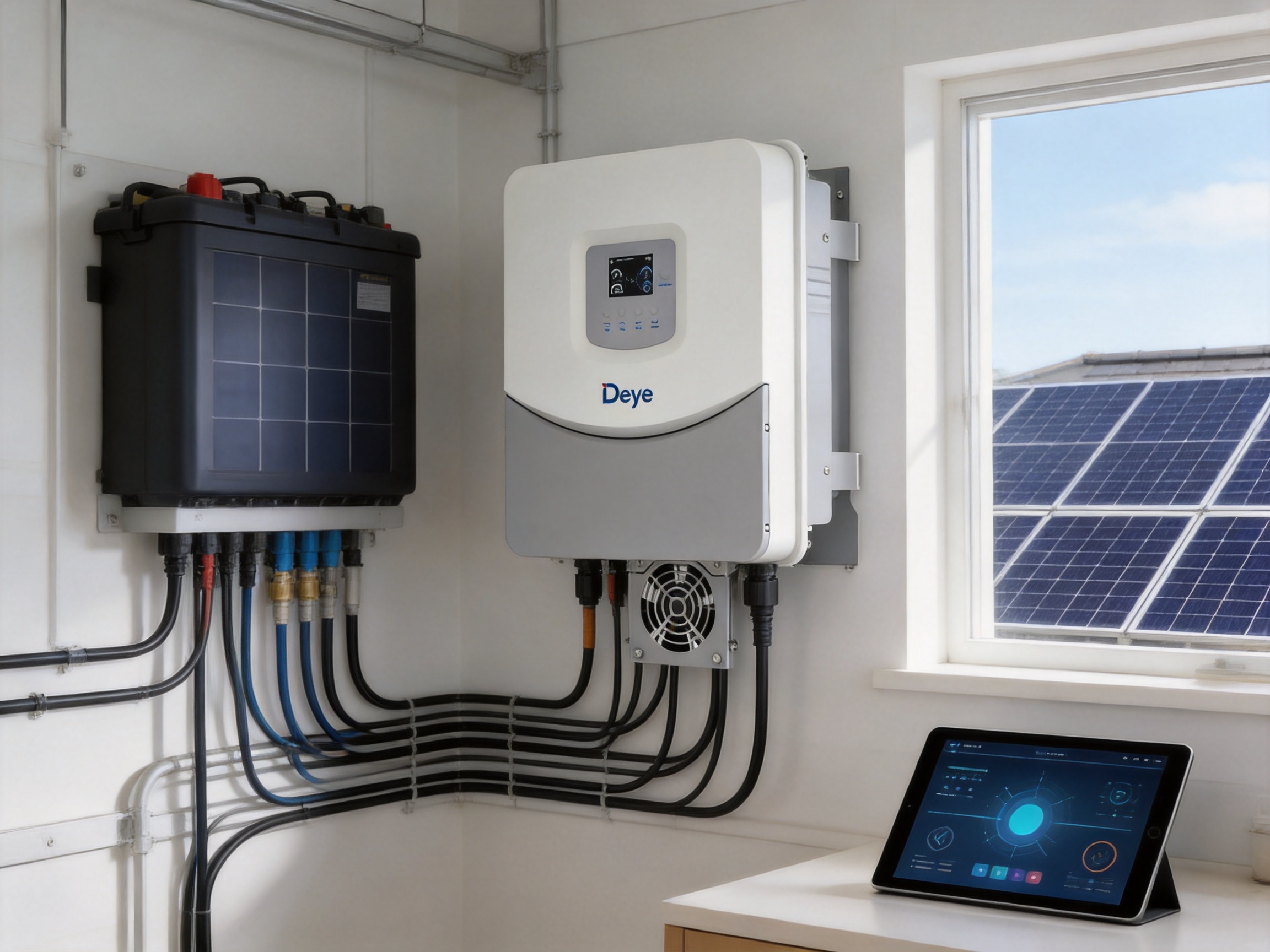
The inverter supports both lead-acid and lithium-ion battery technologies. This gives users a choice between established battery systems and newer high-cycle-life storage platforms. Lead-acid batteries may be attractive in cost-sensitive applications or locations where replacement availability is important. Lithium-ion batteries can provide higher usable energy, longer cycle life, reduced maintenance, and better energy density.
For lithium-ion installations, the charging strategy is designed for self-adaptation to the battery management system. This approach helps the inverter coordinate charging and discharging behavior with battery protection parameters, state-of-charge information, and operating limits communicated by the battery system.
Battery compatibility still depends on the battery manufacturer's approved communication protocol, voltage range, current capacity, and installation requirements. The inverter includes CAN and RS485 interfaces, which can support communication with compatible battery management systems and other energy devices.
The system uses one battery input. A single, properly sized battery bank can simplify the electrical design and reduce the possibility of imbalance between multiple independent battery strings. For larger installations, battery selection should account for continuous power, surge power, depth of discharge, temperature, charging current, and the expected daily energy cycle.
Battery Design Considerations
A high-power inverter can draw substantial current from a low-voltage battery. For this reason, cable length, conductor size, fuse selection, disconnect devices, crimp quality, and terminal torque are critical. Poorly designed battery wiring can create voltage drop, heat generation, reduced performance, and safety risks.
The 24-volt model requires particular attention because the same AC power generally results in higher DC current than a comparable 48-volt system. The 40 to 60 volt models can reduce battery-side current for a given power level, which may simplify cable sizing and improve system efficiency. However, every installation must follow the product manual, local electrical codes, and the battery manufacturer's instructions.
Photovoltaic Input and MPPT Performance
The series uses maximum power point tracking to extract available energy from the solar array. The MPPT voltage range is 150 to 425 V, with a rated PV input voltage of 370 V. The maximum PV input voltage is 500 V, and the start-up voltage is 125 V.
These operating values support a wide range of string configurations. Installers can design strings with sufficient voltage to start the inverter in low-light conditions while remaining within the absolute maximum voltage limit under the coldest expected operating temperature. Correct string design is essential because open-circuit voltage rises as module temperature falls.
The range includes configurations with one or two maximum power point trackers. The two-tracker versions can help manage arrays with different orientations, partial shading patterns, or different string lengths. For example, one tracker may serve a south-facing roof while another serves an east- or west-facing roof. Separating electrically different array sections can improve energy harvesting compared with placing them on one shared tracker.
The reported MPPT efficiency is greater than 99 percent. Although real-world energy yield depends on weather, wiring, module mismatch, shading, temperature, and system availability, high tracking efficiency helps limit conversion losses during normal operation.
PV Array Oversizing in Practice
PV oversizing should be planned rather than applied indiscriminately. The designer should consider maximum input voltage, maximum operating current, maximum short-circuit current, MPPT voltage range, connector ratings, and local environmental conditions. A larger array can increase energy yield, but all electrical limits must remain within the relevant model specifications.
High-current module compatibility is a practical advantage because it allows access to modern panels with higher power ratings. This may reduce the number of modules and mounting components required for a particular energy target. It can also help make better use of limited roof or ground-mounting space.
AC Input, Generator Integration, and Backup Operation
The inverter includes AC input connections for grid and generator sources. The rated input voltage is 230 V, with support for 50 Hz or 60 Hz operation. Depending on the model configuration, the listed grid and generator input current is 35 A or 50 A.
This capability is important in hybrid off-grid installations where solar and batteries provide the primary energy supply but a generator remains available during extended cloudy periods, seasonal demand peaks, or emergency conditions. The inverter can coordinate external AC input with battery charging and load supply, helping reduce the need for manual source switching.
In a backup application, the grid may normally supply loads while the inverter remains ready to support the system during an outage. In a fully off-grid application, a generator may be connected as a secondary source. The correct control strategy depends on the system design, generator characteristics, battery chemistry, local regulations, and user priorities.
Users should distinguish between the maximum input power to the battery and the total connected load. The product specifications list maximum input power to the battery from 3,000 W to 8,800 W across the range. The actual operating result depends on available AC input, battery acceptance limits, inverter temperature, and configured charging settings.
Scalability Through Parallel Operation
One of the strongest advantages of the platform is the ability to connect up to 16 units in parallel. Parallel operation can increase total system capacity and provide a practical path for future expansion. A user may begin with one inverter for essential loads and add additional units as the load profile grows.
This scalability is valuable for residential developments, agricultural sites, remote work facilities, small workshops, telecommunications installations, and modular commercial systems. Instead of replacing an entire inverter when demand increases, the system can be expanded within the approved parallel architecture.
Parallel systems require careful planning. Units must be matched according to model compatibility, firmware requirements, wiring layout, protection devices, communication connections, grounding, and commissioning procedures. AC cables should be arranged to promote balanced current sharing, and battery connections should be designed to minimize differences in resistance between units.
When properly installed, parallel operation can also improve service flexibility. A modular arrangement allows maintenance planning and capacity management to be handled more systematically than with a single oversized unit. The final number of parallel inverters should always follow the current product documentation and applicable electrical standards.
Installation-Oriented Mechanical Design
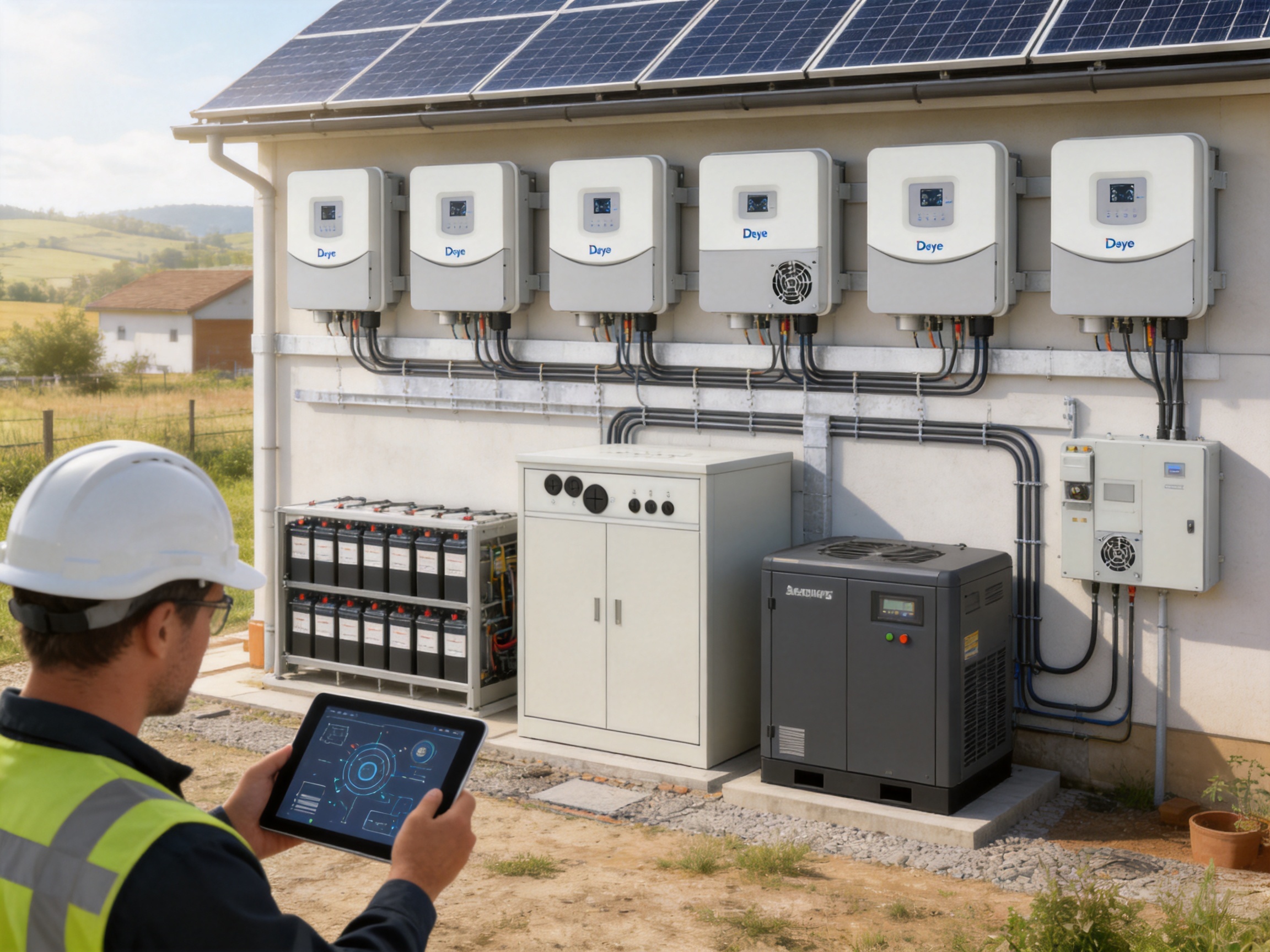
Off-grid equipment is often installed in locations where labor, access, and environmental conditions present significant challenges. The series addresses these concerns with a lightweight design and a compact enclosure measuring approximately 323 by 424 by 176 millimeters, excluding connectors and brackets. The listed weight is approximately 8.6 kilograms.
A lighter inverter can reduce installation time and make wall mounting easier, especially when one person must position the unit before final fastening. Compact dimensions also help conserve wall space in utility rooms, garages, equipment shelters, and small energy storage rooms.
The IP65 enclosure rating provides protection against dust and water jets from different directions when the unit is installed correctly. This makes the inverter suitable for demanding environments, although it should not be treated as a license for immersion or improper outdoor exposure. The mounting location should protect the inverter from direct flooding, excessive salt spray, corrosive chemicals, and uncontrolled condensation.
The operating temperature range is listed as minus 40 to plus 60 degrees Celsius, with derating above 45 degrees Celsius. This broad range supports installations in cold climates and hot regions. Because output may be reduced at elevated temperatures, adequate clearance and ventilation remain important even though the unit uses intelligent air cooling.
Noise and Thermal Management
The listed noise level is below 46 decibels. This is beneficial for residential sites, offices, cabins, and other locations where inverter noise can affect comfort. Intelligent air cooling provides active thermal control while avoiding the complexity of liquid cooling for this power class.
Installers should not place the inverter in a sealed cabinet unless the cabinet has been specifically engineered for heat removal. Airflow clearances, ambient temperature, dust accumulation, and fan access all influence long-term reliability. Periodic inspection can help ensure that ventilation openings remain clear and that cooling performance is not compromised.
Protection, Safety, and Reliability Features
The inverter includes a range of integrated electrical protection functions. These include DC reverse polarity protection, AC output overcurrent protection, thermal protection, AC output overvoltage protection, AC output short-circuit protection, DC component monitoring, and insulation impedance detection.
These functions are designed to identify or limit common electrical faults and abnormal operating conditions. Protection systems do not replace correctly selected external disconnects, overcurrent devices, surge protection, grounding, cable protection, or professional installation. Instead, they form part of a layered safety approach.
The listed surge protection level is Type II on both the DC and AC sides. This can help limit transient overvoltage caused by switching events or nearby lightning activity. The effectiveness of surge protection depends on correct installation, grounding, conductor routing, and coordination with the wider site protection system.
The inverter topology is non-isolated on the solar side and isolated on the battery side. The overvoltage category is listed as OVC II for DC and OVC III for AC. These specifications provide important information for electrical designers selecting installation environments and coordinating protective equipment.
The stated safety and electromagnetic compatibility standards include IEC 62109-1, IEC 62109-2, EN 61000-6-1, EN 61000-6-2, EN 61000-6-3, and EN 61000-6-4. Compliance with recognized safety and EMC standards supports dependable integration into residential, commercial, and industrial environments, subject to the certifications applicable in the target market.
Monitoring and Communication
The product includes an LCD display for local access to operating information. A local display is useful during commissioning, troubleshooting, and routine checks, especially when network connectivity is temporarily unavailable.
Communication interfaces include Wi-Fi and Bluetooth, RS485, and CAN. Wireless communication can simplify setup and provide convenient access to status information. RS485 is widely used for reliable wired communication across equipment rooms, while CAN is commonly used for battery management communication and coordinated control.
Monitoring can help users understand photovoltaic production, battery voltage, charge and discharge activity, load consumption, grid or generator status, and fault conditions. Accurate monitoring supports preventive maintenance and allows users to identify abnormal energy behavior before it develops into a serious problem.
For professional installations, communication planning should include cable routing, termination, shielding where required, network security, and compatibility verification. A monitoring system is most valuable when the data is interpreted alongside the site's load profile, weather conditions, battery state, and operating schedule.
Advantages Compared with Conventional Off-Grid Inverters
More Flexible System Sizing
Many conventional off-grid inverters are optimized for a narrow range of applications. They may offer limited PV oversizing, modest battery current, or no practical parallel expansion. The SUN-OG03LP1 series provides a broader design envelope through multiple power classes, high-current battery operation, large PV input capability, and support for up to 16 parallel units.
This flexibility can reduce the need to compromise between today's requirements and tomorrow's expansion plans. A system can be sized around essential loads at the beginning and later expanded as household consumption, agricultural production, or business activity increases.
Better Compatibility with Modern Solar Modules
Older inverter platforms may not accept high-current PV modules, forcing designers to use additional strings, different panels, or external equipment. The high-current PV input capability of this series makes it easier to use contemporary modules with higher electrical output.
This can simplify array design and improve the use of available installation space. It also helps prevent the inverter from becoming a bottleneck when high-power modules are selected for a new project.
Stronger Short-Term Load Performance
The two-times-rated-power peak output for ten seconds provides a useful advantage over systems that offer little or no surge margin. This makes the product better suited to real-world loads such as pumps, compressors, refrigerators, and power tools.
Faster Backup Response
A four-millisecond transfer time can offer a smoother transition during grid interruptions than slower transfer systems. This is especially relevant when the inverter supports equipment that is sensitive to voltage interruptions or short power gaps.
Practical Installation and Environmental Protection
The lightweight, compact enclosure and IP65 rating address several common installation concerns. A product that is easier to mount, better protected against dust and water, and capable of operating across a wide temperature range can lower installation complexity and improve suitability for remote or exposed sites.
Manufacturing Strength and Product Development Capability
The manufacturer behind this product is a comprehensive technology enterprise involved in research and development, product design, production, sales, and service. Its business covers photovoltaic inverters, energy storage systems, microinverters, environmental appliances, and related energy technologies.
This broad product portfolio can support deeper engineering knowledge across power electronics, thermal management, battery integration, digital communication, mechanical design, and system control. Experience across multiple inverter categories also helps the company address different voltage levels, power ratings, installation environments, and customer requirements.
The company was founded in 2000 and became listed on the Shanghai Stock Exchange in April 2021. Its products are sold in more than 140 countries and regions. International market experience provides valuable feedback about grid standards, climate conditions, installation practices, service requirements, and user expectations.
The stated inverter portfolio includes string inverters from 1 kW to 136 kW, energy storage inverters from 3 kW to 80 kW, and microinverters from 300 W to 2.2 kW. This range indicates the ability to develop products for residential, commercial, industrial, and utility-scale applications rather than focusing on only one segment.
Integrated Research and Development
Advanced inverter manufacturing depends on more than assembling electronic components. It requires coordinated development of power semiconductor circuits, control algorithms, firmware, enclosure structures, cooling systems, protection functions, and communications. A vertically coordinated research and development structure can help shorten product development cycles and improve compatibility among product families.
The off-grid series reflects this integrated approach through its combination of photovoltaic MPPT control, battery charging logic, AC source management, fast transfer control, peak-load handling, parallel operation, and wireless communication. These features must work together reliably, particularly when the system is operating under changing solar production and rapidly varying loads.
Manufacturing Quality and Process Control
Reliable inverter production requires strict control of incoming materials, printed circuit board assembly, power component installation, firmware loading, enclosure assembly, connector handling, and final electrical testing. Quality control is especially important for high-current battery terminals, thermal interfaces, protective devices, communication boards, and power switching components.
Automated or semi-automated assembly processes can improve repeatability and reduce variation between units. Inspection and testing procedures help detect soldering issues, incorrect component placement, insulation problems, communication faults, abnormal thermal behavior, and output waveform irregularities before products reach the field.
End-of-line testing should evaluate key functions such as DC input behavior, AC output stability, protection responses, communication interfaces, transfer operation, charging and discharging control, and thermal performance. For products intended for global markets, testing must also consider applicable safety and electromagnetic compatibility requirements.
Scalable Manufacturing for Global Demand
The manufacturer's international presence and broad product range require manufacturing systems capable of producing different power classes and configurations while maintaining consistent quality. Modular production methods can support variations in output rating, battery voltage, PV input architecture, communication options, and regional requirements.
Scalable manufacturing is also important for supply continuity. A strong production organization can coordinate component procurement, production scheduling, quality inspection, packaging, logistics, and after-sales support. This is particularly valuable for installers and distributors who need consistent availability across multiple projects.
Energy IoT and Digital Ecosystem
The company has also developed an energy Internet of Things ecosystem centered on a cloud-based monitoring application. Digital connectivity can extend the value of the inverter beyond basic power conversion by enabling remote status review, system analysis, service support, and fleet management.
Additional development in wireless energy management and integrated photovoltaic, battery, and electric vehicle charging solutions demonstrates a broader approach to energy infrastructure. Such capabilities can help the manufacturer coordinate standalone inverter products with future energy management requirements.
Recommended Applications
The 3 kW and 3.6 kW models are suitable for small homes, cabins, remote offices, security facilities, telecommunications equipment, and essential-load backup systems. They can support lighting, refrigeration, communications, computing equipment, and selected household appliances when correctly sized.
The 5 kW model is appropriate for many full-home backup systems, farms, workshops, and small commercial sites. It can support a larger mix of appliances and offers stronger surge capability for pumps, compressors, and tools.
The 6.6 kW and 8.8 kW models are suited to larger homes, agricultural facilities, small businesses, remote accommodation, and distributed energy systems with higher continuous demand. Their higher battery current and PV input ratings make them more suitable for systems requiring substantial daily energy throughput.
Because the range can operate with grid or generator input, it can serve several roles: primary off-grid inverter, backup inverter, self-consumption energy storage inverter, or modular system building block. Final application suitability depends on the required load, battery bank, PV array, local regulations, and environmental conditions.
System Design and Installation Guidance
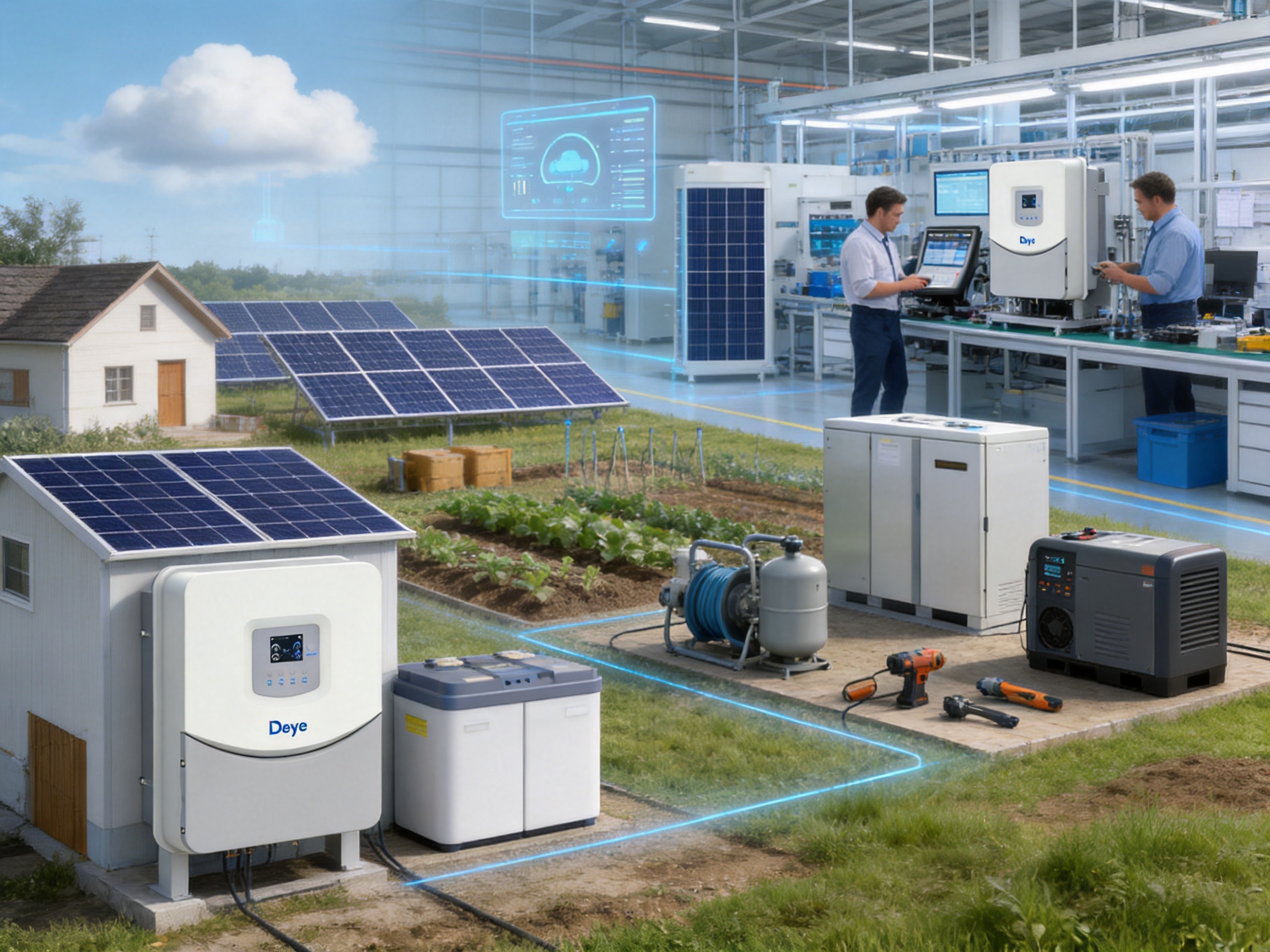
Before installation, the designer should calculate the total continuous load, maximum simultaneous load, motor-starting load, daily energy consumption, desired backup duration, and expected solar production. These values determine the appropriate inverter size, battery capacity, PV array size, and generator requirements.
Battery capacity should be selected based not only on nominal kilowatt-hours but also on usable depth of discharge, temperature, aging, charging limits, and the maximum current required by the inverter. A battery that has adequate energy capacity but insufficient discharge current may still limit system performance.
The PV array must remain within voltage and current limits across the complete operating temperature range. Cold-weather open-circuit voltage, hot-weather operating voltage, module current, string configuration, and shading should all be evaluated. The array should be divided between MPPT trackers when roof orientation or shading conditions differ.
AC and DC protection should be coordinated with the inverter's internal protection functions. External disconnects, fuses, breakers, surge protective devices, grounding conductors, and cable routes must comply with local standards. The enclosure should be mounted on a structurally sound surface with sufficient ventilation and service access.
For generator integration, the generator's voltage regulation, frequency stability, neutral configuration, waveform quality, and maximum current should be verified. Generator control settings must be compatible with the inverter's AC input requirements. The battery charging schedule should be configured to avoid unnecessarily long generator operation.
For parallel systems, installers should use approved communication and power-sharing methods. The units should be installed with balanced cable lengths where applicable, appropriate overcurrent protection, and clear identification. Commissioning should include individual unit verification, communication checks, load testing, battery testing, and fault-response validation.
Maintenance and Long-Term Operation
Routine maintenance is relatively straightforward but should not be ignored. Installers and owners should periodically inspect the enclosure, mounting hardware, cable entries, terminals, ventilation paths, and communication connections. Dust and debris should be removed in accordance with the product manual.
Battery maintenance depends on battery chemistry. Lead-acid systems may require inspection of terminals, ventilation, temperature, and charging behavior. Lithium-ion systems generally require attention to battery management communication, firmware compatibility, temperature limits, and state-of-charge reporting.
Monitoring data can reveal gradual changes in performance. A decline in PV energy, abnormal battery current, repeated transfer events, rising temperature, or unexpected fault records may indicate shading, loose connections, aging batteries, blocked airflow, or configuration issues.
The inverter carries a stated five-year warranty. Warranty conditions normally depend on correct installation, approved operating conditions, documented maintenance, and the use of compatible equipment. Users should retain installation records, commissioning information, and relevant operating data.
Frequently Asked Questions
What type of inverter is the SUN-OG03LP1 series?
It is a single-phase off-grid inverter family that can also operate with grid or generator input. It is designed for photovoltaic generation, battery storage, backup power, and standalone energy systems.
What output voltage does the inverter provide?
The rated output is 230 V, configured as L plus N plus PE. The rated frequency can be 50 Hz or 60 Hz, depending on the system configuration and local requirements.
What battery types are supported?
The series supports lead-acid and lithium-ion batteries. Lithium-ion charging can self-adapt to compatible battery management systems through the available communication interfaces.
How much battery current can the inverter handle?
Maximum charging and discharging current varies by model, from 70 A to 190 A. The highest listed value is 190 A for the 8.8 kW model.
Can the inverter use high-power solar modules?
Yes. The series is designed to support high-current PV modules, with maximum operating and short-circuit current ratings that vary by model and MPPT configuration.
How much photovoltaic oversizing is possible?
The series supports up to two times PV oversizing capability, subject to the maximum PV access power, maximum PV input power, voltage, current, and short-circuit current limits of the selected model.
Can several inverters be connected together?
Up to 16 units can be connected in parallel when the installation follows the applicable product requirements. Parallel systems require compatible models, proper communication, balanced wiring, and professional commissioning.
How quickly does the inverter switch between grid and backup operation?
The listed on-grid and off-grid switching time is approximately four milliseconds. Actual performance may depend on operating conditions, connected equipment, and system configuration.
Can it start motors and pumps?
The inverter provides peak power equal to two times rated power for ten seconds. This surge capability can support many motor-starting loads, but the exact result depends on the motor's starting current and the inverter model.
Is the inverter suitable for outdoor installation?
The IP65 rating provides protection against dust and water jets when installed correctly. Outdoor installation still requires suitable mounting, drainage, ventilation, protection from flooding and corrosive conditions, and compliance with local regulations.
What communication interfaces are included?
The inverter includes Wi-Fi and Bluetooth, RS485, and CAN communication interfaces. These can support local setup, monitoring, battery communication, and integration with compatible energy equipment.
What is the maximum operating temperature?
The listed operating temperature range is minus 40 to plus 60 degrees Celsius. Derating applies above 45 degrees Celsius, so adequate ventilation and installation clearance remain important in hot environments.
What is the warranty period?
The stated warranty period is five years. Users should confirm the exact warranty terms, registration requirements, installation conditions, and regional service arrangements before purchase.
Conclusion
The SUN-3/3.6/5/6.6/8.8K-OG03LP1-EU-AM1/AM2 series offers a strong combination of power density, battery flexibility, photovoltaic compatibility, surge performance, fast transfer, scalability, and environmental protection. Its broad power range allows the same platform concept to serve small essential-load systems, residential backup projects, farms, workshops, and modular commercial installations.
Its advantages over more limited off-grid platforms include high charging and discharging current, up to two times PV oversizing, compatibility with high-current modules, two-times peak output, four-millisecond transfer, and parallel operation for up to 16 units. These features provide meaningful design flexibility and help the inverter adapt to changing energy requirements.
The product is also supported by a manufacturer with long-term experience in power electronics, photovoltaic systems, energy storage, microinverters, environmental appliances, digital monitoring, and international distribution. Its research, manufacturing, testing, and service capabilities provide a foundation for developing reliable products across multiple energy sectors.
For best results, the inverter should be matched carefully with the battery, PV array, generator, loads, protective devices, and installation environment. When correctly designed and professionally installed, it can provide a dependable foundation for energy independence, resilient backup power, and scalable renewable energy development.
References
1. Product technical datasheet for the SUN-3/3.6/5/6.6/8.8K-OG03LP1-EU-AM1/AM2 off-grid inverter series.
2. Product installation and operation manual for the SUN-3/3.6/5/6.6/8.8K-OG03LP1-EU-AM1/AM2 series.
3. IEC 62109-1, Safety of Power Converters for Use in Photovoltaic Power Systems, General Requirements.
4. IEC 62109-2, Safety of Power Converters for Use in Photovoltaic Power Systems, Particular Requirements for Inverters.
5. EN 61000 series, Electromagnetic Compatibility Requirements for Electrical and Electronic Equipment.
6. General principles of photovoltaic system design, battery energy storage sizing, and off-grid electrical installation practice.
Product: SUN-3/3.6/5/6.6/8.8K-OG03LP1-EU-AM1/AM2

PREV:No previous article
NEXT:Module-Level Solar Optimization for Higher Yield, Safer Shutdown, and Smarter PV Monitoring
Share
Product recommendations
news recommendations
-
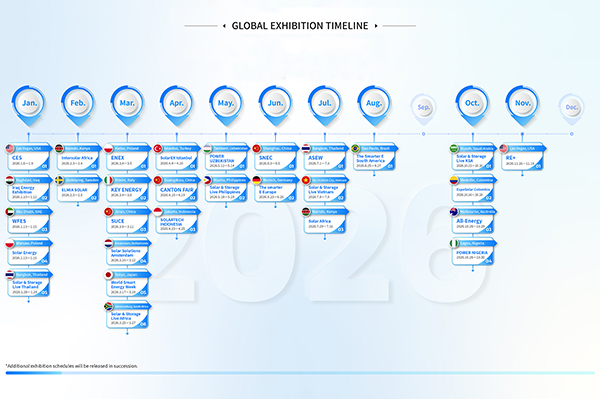 GLOBAL EXHIBITION TIMELINE
*Click to view larger image
-
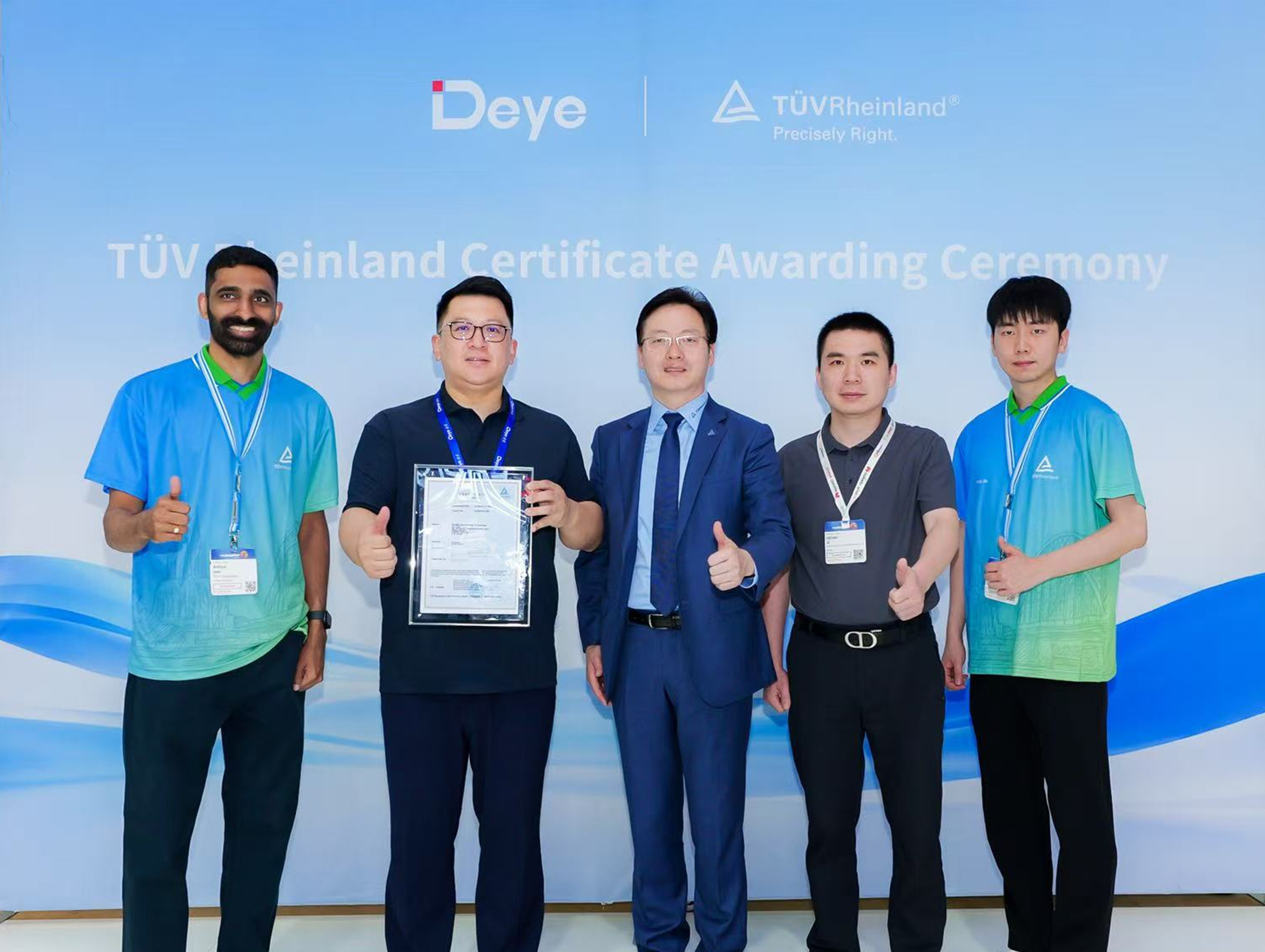 Deye Secures Multiple TÜV Rheinland Certifications at The smarter E Europe
On June 23, the opening day of The smarter E Europe 2026, Deye was officially awarded several presti...
-
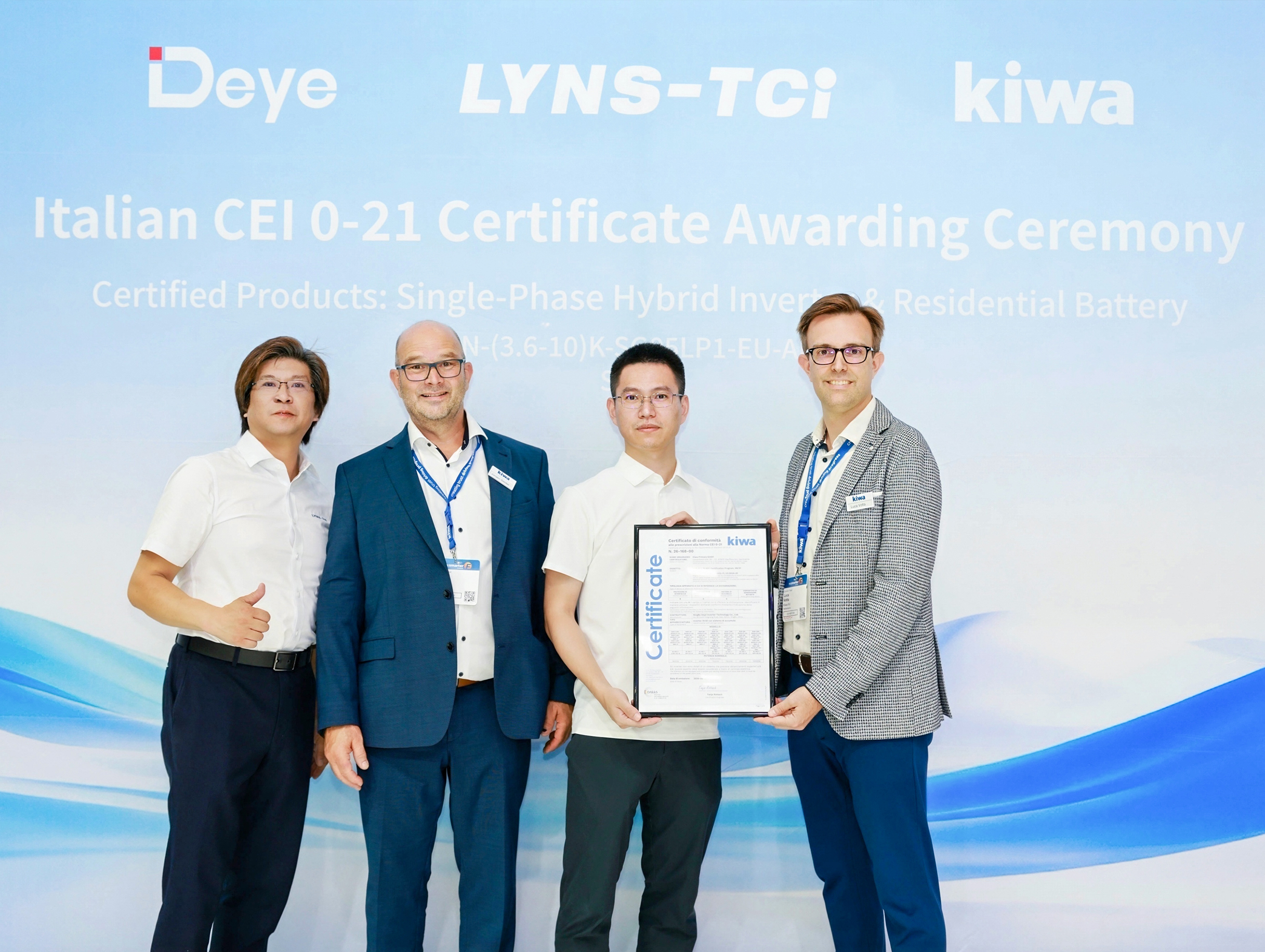 Deye Next-Gen Residential Energy Storage Products Receive Italian CEI 0-21 Certification from Kiwa
At The smarter E Europe 2026, Deye, a leading supplier of inverters and energy storage solutions, of...

Copyright@ 2024.Ningbo Deye Inverter Technology Co.,Ltd. All rights reserved. Solar Inverter Manufacturer
