
 Online Shop
 English
 China - 简体中文
 Global - English
 Brazil - Português
 Netherlands - Dutch
 Italy - Italiano
 Germany - Deutsch
 Spain - Español
 France - Français
 Vietnam - Tiếng Việt
 Poland - Polski
 Australia - English
 Japan - 日本語
Blog

Module-Level Solar Optimization for Higher Yield, Safer Shutdown, and Smarter PV Monitoring
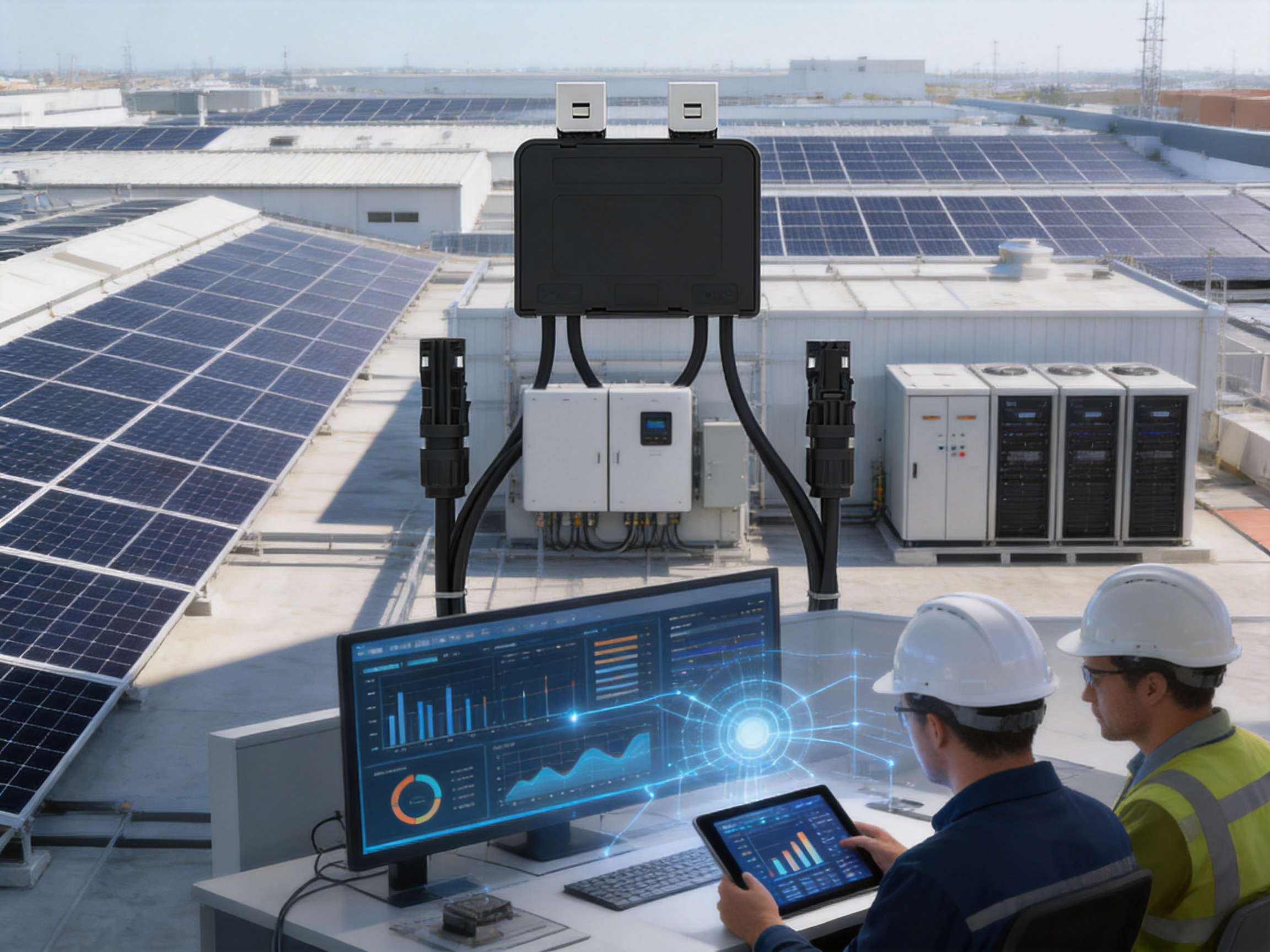
Modern photovoltaic systems are expected to deliver more energy from every available module while operating safely, reliably, and economically for many years. Yet even a well-designed solar array can experience uneven performance. Differences in module characteristics, partial shading, dust, temperature, orientation, aging, and local faults can cause individual panels to operate below their potential. In a conventional string arrangement, the performance of one weak module may affect the output of an entire group of modules.
The SUN-XL02-B module-level photovoltaic optimizer is designed to address these challenges. Classified within the Accessory and Monitoring product category, it combines module-level maximum power point tracking, photovoltaic cable carrier communication, module-level monitoring, and a rapid shutdown function when used with compatible optimizer concentrators. Its purpose is not to replace the inverter, but to improve the way a solar array communicates, operates, and responds to changing site conditions.
With a maximum input power of 700 W, a maximum input voltage of 80 V, an MPPT voltage range of 12–80 V, and a maximum input current of 15 A, the SUN-XL02-B is engineered for compatibility with a broad range of modern photovoltaic modules. Its peak conversion efficiency reaches 99.5%, while its compact 105 × 105 × 22 mm enclosure, IP68 protection rating, and operating temperature range of -40°C to +85°C support installation in demanding outdoor environments.
Beyond the electrical specifications, the product reflects the engineering and manufacturing capabilities of Ningbo Deye Inverter Technology Co., Ltd. Deye integrates research and development, product design, manufacturing, sales, and service in one organization. Its experience across string inverters, microinverters, energy storage systems, monitoring platforms, and related photovoltaic equipment provides a broad technical foundation for developing accessories that work as part of a complete solar ecosystem.
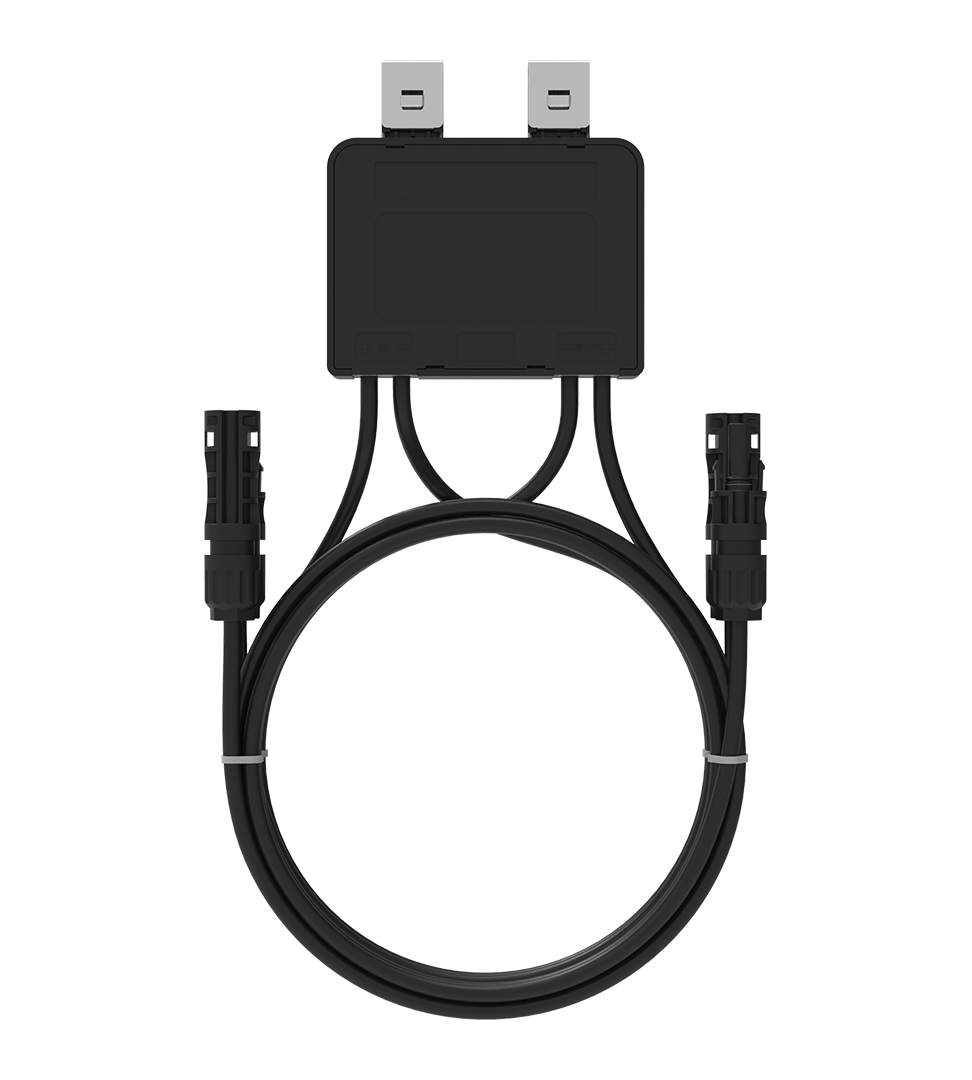
SUN-XL02-B
Why Module-Level Optimization Matters
Solar modules connected in a conventional string are not always exposed to identical operating conditions. A row of modules may include panels with slightly different electrical characteristics, or some modules may receive less sunlight because of a chimney, tree, parapet, neighboring building, or nearby equipment. Dirt accumulation and localized heating can also reduce the output of individual modules.
When modules are connected directly in a series string, the current of the string is strongly influenced by its weakest operating point. Bypass diodes can reduce the effect of certain shading conditions, but they do not provide independent optimization for every module. As a result, the energy loss associated with mismatch can extend beyond the affected panel.
A module-level optimizer changes this operating model. Instead of treating a series-connected string as a single electrical unit with one shared operating condition, the optimizer helps each connected module operate closer to its own maximum power point. It then passes the optimized power toward the inverter or the rest of the photovoltaic system.
The SUN-XL02-B uses module-level maximum power point tracking, or MPPT. This technology continuously seeks the voltage and current combination that allows a connected module to produce the greatest practical output under its current conditions. Since sunlight and module temperature change throughout the day, this tracking function helps maintain more effective energy harvesting than a fixed operating point would allow.
According to the supplied product information, module-level MPPT can increase power generation by approximately 5% to 25%. Actual results depend on the array design, shading pattern, module mismatch, orientation, installation environment, and operating conditions. The greatest potential benefit is generally found in systems where modules experience different levels of irradiance or have meaningful electrical mismatch.
Core Product Advantages
Module-Level Maximum Power Point Tracking
The most important advantage of the SUN-XL02-B is its ability to optimize photovoltaic modules individually. A conventional string inverter normally tracks the combined operating point of a string or a group of modules. The optimizer introduces an additional control layer at module level, helping reduce the performance impact of differences between panels.
This approach can be valuable on roofs with multiple orientations, installations affected by partial shade, arrays using modules from different production batches, or systems where natural aging creates unequal performance. It may also support more flexible system design because the operating behavior of one module is less dependent on the exact characteristics of neighboring modules.
Module-level MPPT is particularly useful when a solar array is exposed to changing conditions. A passing cloud may shade only part of a roof. Seasonal changes may alter the position of shadows. Dust may accumulate unevenly, while snow, leaves, or nearby structures can affect one module more than another. By independently responding to these conditions, the optimizer helps limit the effect of local performance losses.
High Conversion Efficiency
The SUN-XL02-B provides a peak conversion efficiency of 99.5%. High efficiency is important because every conversion stage introduces the possibility of energy loss. An efficient optimizer can deliver the benefits of module-level control without imposing a significant conversion penalty on the overall system.
Efficiency is also relevant to thermal performance. Lower conversion losses generally mean less energy is converted into heat inside the device. Although actual thermal behavior depends on installation conditions, load level, ventilation, and ambient temperature, efficient power electronics can contribute to stable operation over a wider range of conditions.
For system owners, the practical value of high efficiency is cumulative. A small percentage difference in conversion performance may become significant over thousands of operating hours and across many modules. When combined with mismatch reduction and improved tracking, efficient optimization can support stronger annual energy production.
Broad Electrical Operating Range
The product supports a maximum input power of 700 W and a maximum input voltage of 80 V. Its MPPT voltage range extends from 12 V to 80 V, with a maximum input current of 15 A. These specifications allow the device to serve many modern high-power photovoltaic modules while providing a meaningful operating window for different module electrical profiles.
The broad MPPT range is important because modules do not operate at one fixed voltage during the day. Voltage varies with temperature, irradiance, load, and the electrical characteristics of the specific panel. A wide tracking range gives the optimizer more flexibility to locate a productive operating point under changing conditions.
Before installation, the system designer should confirm that the module open-circuit voltage, operating voltage, short-circuit current, maximum power, connector arrangement, and environmental conditions remain within the product limits. Correct system matching is essential for safety, performance, and long-term reliability.
Real-Time Module-Level Monitoring
Solar system monitoring is often most valuable when it moves beyond total energy production. A single system-level production figure may show that the array is underperforming, but it may not reveal which module or section is responsible. Module-level monitoring provides more detailed operational visibility.
The SUN-XL02-B is designed to support real-time monitoring of the operating status of each photovoltaic module. This can help installers and system owners identify abnormal conditions earlier, narrow down the source of a fault, and carry out more precise troubleshooting.
Detailed information can improve maintenance decisions in several ways. A sudden output reduction may indicate a connector issue, wiring problem, obstruction, module fault, or unusual environmental condition. A gradual decline may suggest soiling, aging, or a developing electrical problem. With module-level information, technicians can investigate a specific location instead of testing an entire array without a clear starting point.
Better visibility may also reduce unnecessary service visits. When a monitoring system identifies the affected module or area before a technician arrives, the service team can prepare the appropriate tools and replacement parts. This can shorten diagnosis time, reduce labor costs, and improve the overall service experience.
Photovoltaic Cable Carrier Communication
The SUN-XL02-B uses PLC communication, meaning power line communication through the photovoltaic cables. This design eliminates the need for additional communication cables between the optimizer and the associated system equipment.
Using existing photovoltaic conductors for communication can simplify installation. Fewer dedicated communication cables may reduce cable routing requirements, limit the number of components exposed to the outdoor environment, and make retrofit projects easier to plan. It also allows power delivery and data communication to share an established physical connection while maintaining their respective functions.
For installers, simpler communication architecture can support cleaner layouts and shorter installation times. For system owners, it may reduce the number of separate components that require inspection. Communication reliability remains an important consideration, so installation should follow the applicable system design rules and the product manual.
Rapid Shutdown Capability
Safety is a central requirement in photovoltaic design. Even when the grid is disconnected, solar modules can continue producing DC voltage whenever light is present. A rapid shutdown function is intended to reduce the DC voltage of a photovoltaic array to a safer range when the appropriate shutdown command is initiated.
The SUN-XL02-B supports a rapid shutdown function when used with optimizer concentrators. This qualification is important: the function is available only as part of a compatible system configuration and should not be considered an independent feature that operates without the required associated equipment.
Rapid shutdown can assist emergency responders, maintenance personnel, and building owners by reducing hazardous DC voltage in defined circumstances. The exact behavior depends on system architecture, compatible equipment, installation practice, and local electrical requirements. Designers should verify compliance with the rules that apply in the installation market.
When properly integrated, module-level shutdown can also provide a more controlled safety response than simply disconnecting a large array at one point. The optimizer-based architecture is intended to support a coordinated reduction of array voltage, helping improve the safety profile of the photovoltaic installation.
Compact Outdoor Design
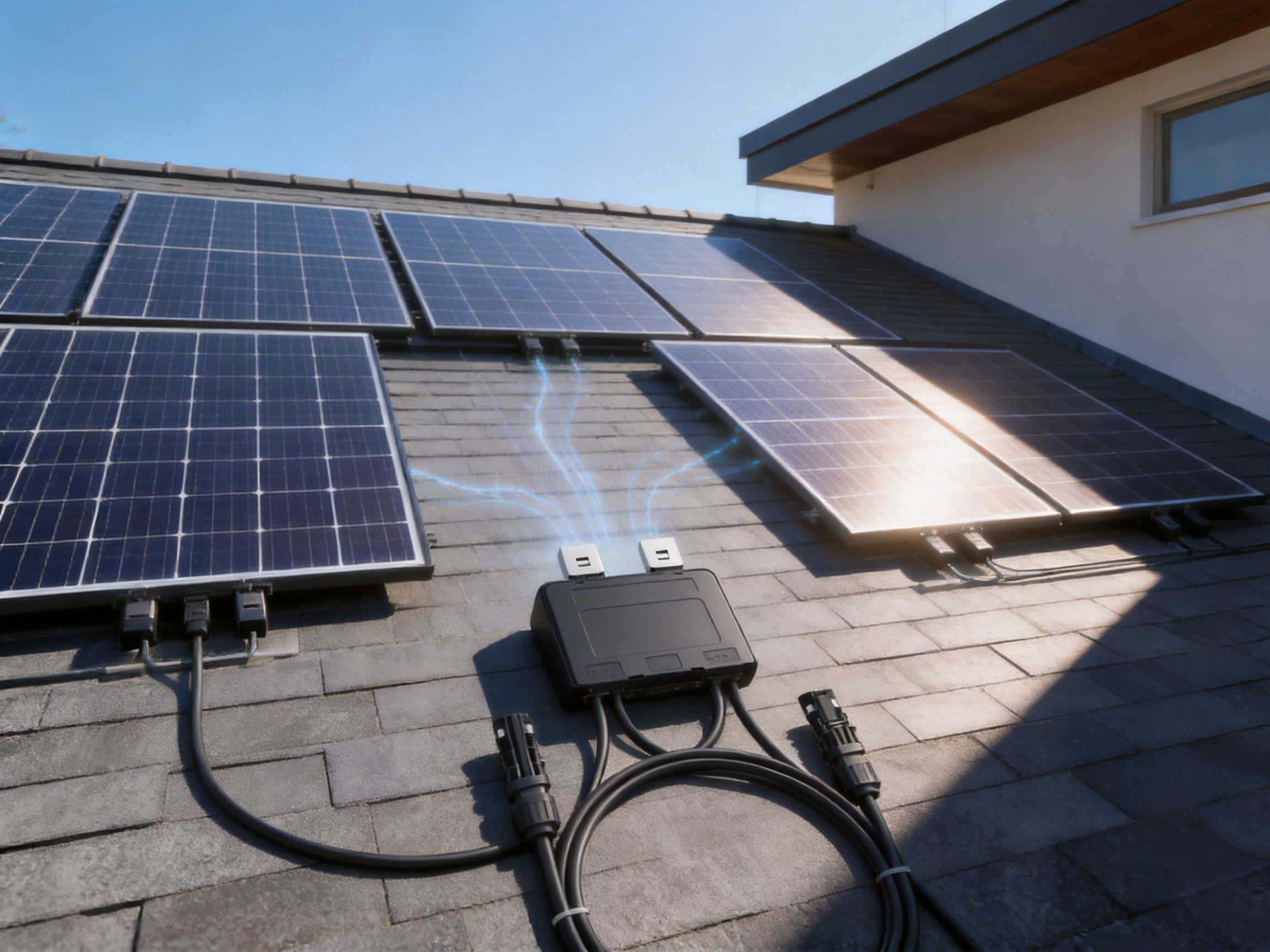
Outdoor photovoltaic accessories must withstand heat, cold, humidity, dust, rain, and long periods of ultraviolet exposure. The SUN-XL02-B has a compact enclosure measuring 105 × 105 × 22 mm. Its relatively small form factor helps reduce visual impact and supports placement close to the associated module or within the planned module wiring area.
The product weighs 660 g, providing a balance between a robust power electronics enclosure and manageable installation handling. Its cable configuration includes a 4.0 mm² input cable measuring 70 cm and an output cable measuring 100 cm. These cable lengths are intended to support practical connection between the module, optimizer, and downstream photovoltaic wiring while allowing the installer to organize the layout neatly.
The product uses MC4 or MC4-compatible connectors. Connector compatibility can simplify integration with commonly used photovoltaic modules and cables, but installers should still confirm connector quality, polarity, mechanical engagement, and compatibility requirements. Mixing connectors from different manufacturers without proper verification can create electrical and reliability risks even when the connector profiles appear similar.
Protection Against Environmental Stress
The SUN-XL02-B has an IP68 protection rating. This indicates a high level of enclosure protection against dust ingress and water exposure under defined test conditions. The rating is especially valuable for equipment installed beneath photovoltaic modules, where the product may be exposed to rain, condensation, washing, humidity, and airborne particles.
Its specified operating temperature range is -40°C to +85°C. This wide range supports use in cold climates, hot climates, and locations with substantial day-to-night temperature variation. Real-world installation conditions still matter. The optimizer should be mounted according to the instructions, with appropriate mechanical support and sufficient consideration of heat dissipation, cable bending, drainage, and exposure.
Environmental protection is not only about preventing immediate failure. It also helps protect communication stability, connector performance, insulation integrity, and the long-term behavior of internal electronic components. A durable enclosure can contribute to predictable performance over the operating life of the solar array.
Advantages Compared with Conventional String-Only Approaches
A string-only photovoltaic design remains suitable for many applications, particularly where modules have similar orientations, minimal shading, and consistent operating conditions. However, it can be less flexible when the array experiences significant mismatch or when detailed diagnostics are required.
The SUN-XL02-B offers several advantages over a basic string-only arrangement. First, it provides module-level power optimization rather than relying exclusively on the inverter to manage the combined string. Second, it allows more detailed visibility into individual module performance. Third, it can support rapid shutdown when paired with compatible optimizer concentrators. Fourth, PLC communication avoids the need for additional communication cabling.
These advantages can be especially meaningful in residential rooftops, commercial buildings, educational facilities, agricultural structures, and other installations where roof space is irregular or shading cannot be completely avoided. In such systems, improving the output of the entire array may be more valuable than designing around the weakest module in each string.
Compared with some alternative module-level architectures, the product’s combination of a compact enclosure, high peak efficiency, broad voltage range, photovoltaic-cable communication, IP68 protection, and CE certification can simplify the specification process. The most appropriate solution will still depend on the system inverter, monitoring platform, local standards, module ratings, and required shutdown architecture.
It is also important to distinguish an optimizer from a microinverter. An optimizer performs module-level DC power conditioning and generally works as part of a larger inverter-based system. A microinverter converts module DC power into AC at the module level. Each architecture has different wiring, protection, maintenance, and design considerations. The SUN-XL02-B is intended for applications that require module-level optimization while retaining a compatible DC inverter structure.
Manufacturing and Engineering Strength
Product performance depends not only on the published electrical values but also on the organization behind the design, production, testing, and support process. Ningbo Deye Inverter Technology Co., Ltd. is part of Deye’s broader technology manufacturing organization, which integrates research and development, design, production, sales, and service.
This integrated structure can support closer coordination between engineering teams and manufacturing operations. Product requirements can be reviewed from the perspective of electrical design, mechanical construction, component selection, assembly, system compatibility, installation, and after-sales service. Such coordination is particularly useful for photovoltaic accessories because the optimizer must work reliably with modules, connectors, cables, inverters, monitoring equipment, and shutdown devices from a wider system ecosystem.
Deye has developed products across multiple solar and energy sectors, including string inverters, energy storage inverters, microinverters, monitoring platforms, and off-grid solutions. This broad portfolio gives the company practical insight into power conversion, control algorithms, communication, thermal management, protection design, and field deployment.
The company’s inverter and energy storage businesses serve residential, commercial, industrial, and utility applications. Its product range includes string inverters from 1 kW to 136 kW, energy storage inverters from 3 kW to 80 kW, and microinverters from 300 W to 2.2 kW. This product breadth demonstrates experience with different power levels, system topologies, installation environments, and customer requirements.
Integrated Product Development
An integrated development process can reduce the risk of designing an accessory in isolation. The optimizer must communicate effectively with the broader system and remain electrically coordinated with the inverter and monitoring architecture. Experience with complete PV and ESS solutions helps engineers consider these interactions during product development.
For the SUN-XL02-B, the relevant engineering areas include MPPT control, high-efficiency DC conversion, PLC communication, module-level data collection, rapid shutdown coordination, insulation protection, connector design, cable selection, mechanical enclosure design, and temperature management.
Each area affects the others. A more powerful control function must remain within thermal limits. A communication circuit must operate reliably in the presence of high-voltage DC power. The enclosure must protect electronics while allowing acceptable heat transfer. Cables must be long enough for installation while maintaining suitable electrical and mechanical characteristics. Integrated engineering is therefore essential to achieving a practical product rather than merely a high specification on paper.
Manufacturing Consistency
High-volume photovoltaic equipment requires consistent manufacturing. Electrical products are made from many components, and the quality of the final device depends on the consistency of component placement, soldering, sealing, connector assembly, cable termination, firmware loading, and inspection.
A comprehensive technology manufacturing enterprise can establish coordinated control over these stages. The objective is to ensure that units produced at different times maintain the same electrical performance, enclosure integrity, connector quality, and communication behavior. Consistency is particularly important for module-level products because many units may be installed together in one array.
Uniform production also supports easier commissioning and service. When products follow consistent electrical and mechanical standards, installers can use repeatable procedures across a project. Monitoring data becomes easier to interpret, and replacement units can be integrated with less uncertainty.
Quality and Certification Foundation
The SUN-XL02-B carries CE certification according to the supplied product information. Certification does not replace correct design or installation, but it provides an important indication that the product has been evaluated against applicable requirements for the relevant market and product category.
The IP68 rating further reflects attention to enclosure protection. Together with the wide operating temperature range, connector specification, cable details, and published electrical limits, these characteristics provide installers with the information required for preliminary system design and product selection.
Professional deployment should always include review of the latest technical documentation, installation manual, applicable electrical codes, inverter compatibility requirements, and project-specific safety rules. Certification and published specifications are most valuable when combined with disciplined engineering practice.
Applications Across Different Solar Projects
Residential Rooftop Systems
Residential roofs often contain multiple roof planes, dormers, vents, chimneys, and other obstructions. These features can create different orientations and shading conditions within a relatively small array. Module-level optimization can help such systems capture more energy from available roof space.
Homeowners also benefit from detailed monitoring. If one panel produces less than expected, the system can help identify the issue without requiring a technician to inspect every module. Rapid shutdown capability, when correctly integrated with compatible equipment, can provide an additional safety function for residential installations.
Commercial Rooftops
Commercial buildings may have large flat roofs, HVAC equipment, parapets, skylights, and maintenance access paths. These features can result in irregular module layouts and changing shade patterns. The SUN-XL02-B can help designers manage module mismatch while maintaining a centralized inverter architecture.
For commercial operators, operational visibility is especially important. A lower-performing module may represent lost revenue, and unnoticed faults across a large array can accumulate over time. Module-level monitoring supports a more targeted maintenance process and can assist facility managers in tracking system health.
Small Industrial and Agricultural Installations
Industrial and agricultural buildings may use roofs or structures with different slopes, orientations, and exposure conditions. Dust, equipment shadows, and environmental contamination can also affect modules unevenly. An optimizer can help reduce the effect of these variations and make performance data more informative.
In agricultural environments, the IP68 enclosure rating and wide operating temperature range can be valuable characteristics, provided the product is installed in accordance with the manual and protected from conditions beyond its specifications.
Retrofitting and Performance Improvement
Some existing PV systems produce less energy than expected because of mismatch, shading, difficult roof geometry, or limited diagnostic information. Depending on the architecture and compatibility requirements, module-level optimizers may be considered as part of a performance improvement strategy.
Retrofit projects require careful assessment. The installer must review the existing inverter, string voltage, module ratings, cable condition, connector type, monitoring equipment, grounding arrangements, and shutdown requirements. The optimizer should be added only when the complete system can be designed and commissioned safely.
Installation and System Design Considerations
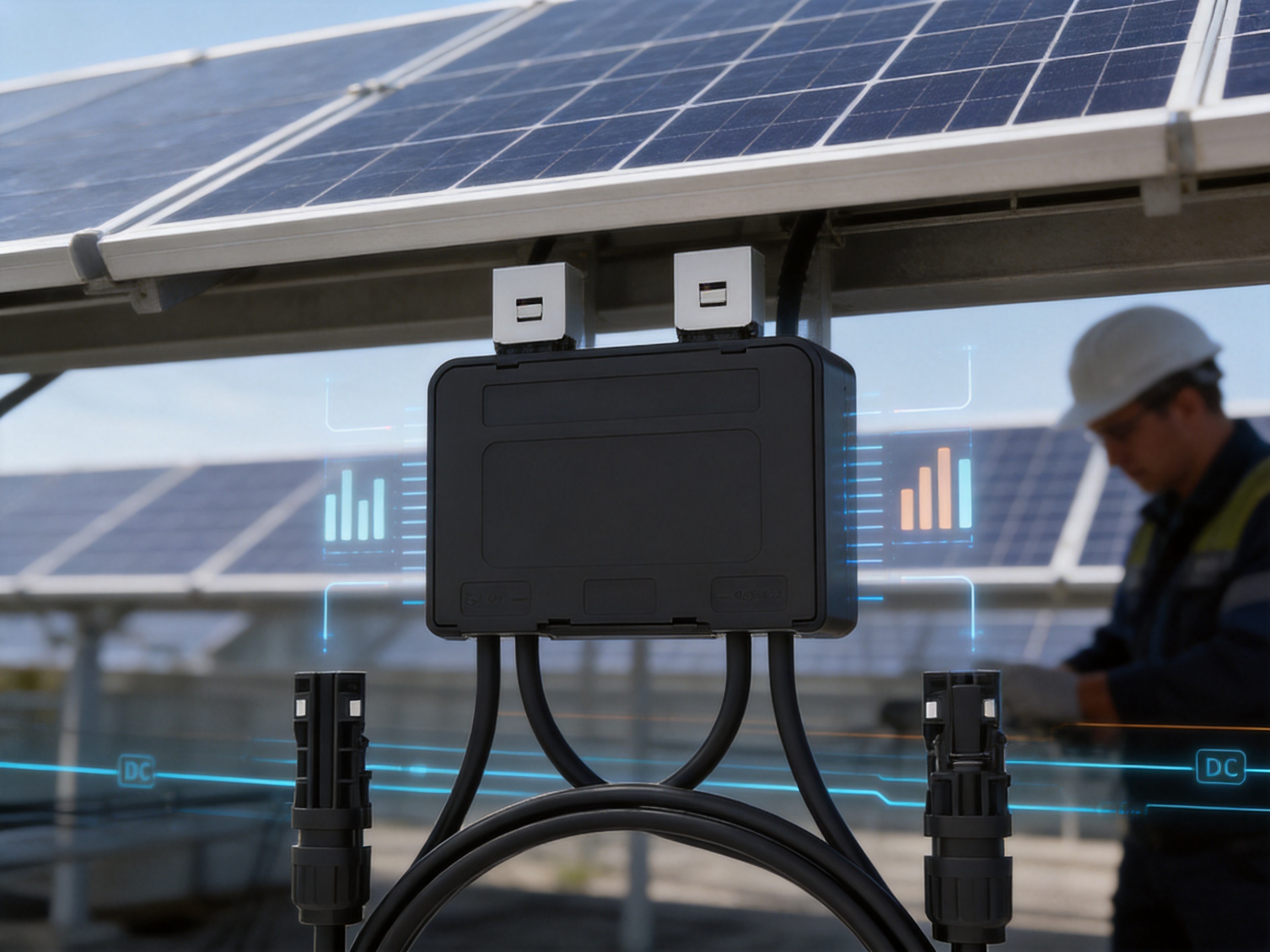
Although the SUN-XL02-B is designed for practical field installation, its performance depends on correct system integration. The module electrical parameters must remain within the optimizer’s limits. The maximum input power is 700 W, the maximum input voltage is 80 V, the MPPT voltage range is 12–80 V, and the maximum input current is 15 A.
Designers should check both normal and extreme operating conditions. Module voltage can rise in low temperatures, while current and power can vary with irradiance and module temperature. The system should be evaluated using the module’s relevant maximum voltage, current, and power values rather than relying only on typical operating figures.
Correct polarity is essential. Input and output cables should be routed to prevent sharp bends, abrasion, excessive tension, and contact with hot surfaces. Connectors should be fully engaged and positioned to reduce water accumulation. The device should be mounted securely and in a manner consistent with the manufacturer’s installation instructions.
Communication design should also be reviewed. Because the product uses PLC communication through photovoltaic cables, the installer should verify the compatible optimizer concentrator and associated monitoring equipment. The rapid shutdown function depends on this compatible system configuration and should be tested during commissioning.
Commissioning should include visual inspection, polarity verification, connector inspection, electrical measurements, communication checks, monitoring confirmation, and shutdown function testing where applicable. The results should be recorded for future maintenance and warranty support.
Maintenance and Long-Term Operation
Module-level monitoring can improve maintenance efficiency, but it does not eliminate the need for periodic inspection. Solar modules, cables, connectors, mounting structures, and optimizer enclosures should be reviewed according to the project’s maintenance plan and local requirements.
Monitoring data can be used to establish a performance baseline shortly after commissioning. Future measurements can then be compared against that baseline. A single abnormal reading may result from temporary weather conditions, while a repeated decline may justify a physical inspection.
When troubleshooting, technicians can begin with the module or optimizer identified by the monitoring system. They should then check the physical condition of the module, shading or soiling, connectors, cables, mounting, and surrounding environment. Electrical testing should be performed only by qualified personnel using appropriate procedures and equipment.
The IP68 enclosure and wide operating temperature range support durability, but no enclosure is immune to improper installation, mechanical damage, incompatible connectors, or environmental conditions outside the rated application. Long-term reliability depends on both product design and field practice.
Value for Installers, Owners, and System Designers
For installers, the SUN-XL02-B offers a combination of compact dimensions, MC4 or compatible connectors, defined cable lengths, PLC communication, and broad electrical specifications. These features can help simplify system planning and reduce the need for separate communication wiring.
For system owners, the key value lies in energy optimization, improved visibility, and safety support. Module-level MPPT can help recover energy that may otherwise be lost through mismatch and uneven conditions. Monitoring can make faults easier to identify, while rapid shutdown can contribute to safer system management when the required concentrator and control equipment are present.
For designers and distributors, the product benefits from being part of a broader portfolio covering inverters, energy storage, monitoring, and related photovoltaic technologies. A supplier with experience across multiple system categories can provide a more coordinated approach to product compatibility and solution development.
For international markets, Deye’s products are sold in more than 140 countries and regions according to the supplied company information. This global presence indicates experience supporting diverse climates, regulations, applications, and customer expectations. Local project requirements must still be verified, but broad market exposure can strengthen product feedback and application knowledge.
Frequently Asked Questions
What is the primary function of the SUN-XL02-B?
The primary function is module-level photovoltaic optimization. It uses MPPT to help each connected solar module operate closer to its maximum power point, while also supporting module-level monitoring and PLC communication.
How much additional energy can the optimizer produce?
The supplied product information states that module-level MPPT can increase power generation by approximately 5% to 25%. The actual result depends on shading, mismatch, orientation, module condition, temperature, irradiance, and overall system design.
What is the maximum input power?
The maximum input power is 700 W.
What are the maximum input voltage and current?
The maximum input voltage is 80 V, and the maximum input current is 15 A. The module and system design must remain within these limits under all relevant operating conditions.
What is the MPPT voltage range?
The MPPT voltage range is 12–80 V.
Does the optimizer require an additional communication cable?
No additional communication cable is required for its PLC communication method. Communication uses the photovoltaic cables. The compatible system architecture and associated equipment should still be confirmed before installation.
Does the product provide module-level monitoring?
Yes. The product is designed to provide real-time monitoring of the operating status of each photovoltaic module, helping with fault detection and precise troubleshooting.
Does the SUN-XL02-B provide rapid shutdown on its own?
The rapid shutdown function is available only when the product is used with compatible optimizer concentrators. The complete system must be designed, installed, and tested according to the applicable requirements.
What is the peak conversion efficiency?
The peak conversion efficiency is 99.5%.
Is the product suitable for outdoor installation?
Yes. It has an IP68 protection rating and a specified operating temperature range of -40°C to +85°C. Correct installation and compliance with the product manual remain essential.
What connectors are used?
The product uses MC4 or connectors compatible with MC4. Connector compatibility, polarity, engagement, and installation quality should be verified for every project.
What are the product dimensions and weight?
The dimensions are 105 × 105 × 22 mm, and the weight is 660 g.
Is the optimizer a microinverter?
No. The SUN-XL02-B is a DC photovoltaic optimizer. It is intended to operate as part of a compatible inverter-based PV system rather than converting module output directly into AC like a microinverter.
What certification does the product have?
The supplied product information lists CE certification.
Who manufactures the product?
The product is manufactured by Ningbo Deye Inverter Technology Co., Ltd., a Deye company with activities spanning research and development, design, production, sales, and service in photovoltaic and energy-related technologies.
Conclusion
The SUN-XL02-B is a compact module-level optimizer designed to improve the performance, visibility, and safety potential of photovoltaic systems. Its 700 W maximum input power, 80 V maximum input voltage, 12–80 V MPPT range, 15 A maximum input current, and 99.5% peak conversion efficiency make it suitable for many modern PV module applications.
Its principal advantages are module-level MPPT, real-time monitoring, PLC communication through photovoltaic cables, and rapid shutdown support when used with compatible optimizer concentrators. The IP68 enclosure, -40°C to +85°C operating temperature range, MC4-compatible connectors, compact dimensions, and defined cable configuration further support practical outdoor deployment.
Compared with conventional string-only systems, the optimizer can offer greater flexibility where module conditions are unequal, shading is present, or detailed troubleshooting is important. Its value is strongest when it is correctly matched with the module, inverter, concentrator, monitoring platform, and local safety requirements.
The product also benefits from the broader technical foundation of Deye, whose integrated capabilities cover photovoltaic inverters, microinverters, energy storage systems, monitoring technologies, and complete solar solutions. This combination of product engineering, manufacturing experience, and global market exposure supports the development of accessories intended to function as part of a reliable and scalable PV ecosystem.
As solar systems become more distributed, data-driven, and safety-conscious, module-level equipment will continue to play an important role. By combining optimization, communication, monitoring, and shutdown support in one outdoor-rated device, the SUN-XL02-B provides a practical solution for improving the performance and manageability of modern photovoltaic installations.
References
1. SUN-XL02-B Product Technical Data Sheet, Ningbo Deye Inverter Technology Co., Ltd.
2. SUN-XL02-B Installation and Operation Manual, Ningbo Deye Inverter Technology Co., Ltd.
3. Photovoltaic System Design Principles: Module Mismatch, MPPT, and DC Power Optimization.
4. General Practices for Photovoltaic Electrical Safety and Rapid Shutdown System Design.
5. Principles of Power Line Communication in Distributed Solar Energy Systems.
6. Outdoor Enclosure Protection and Environmental Durability Considerations for PV Electronics.
7. Company Profile and Product Portfolio Information Provided by Ningbo Deye Inverter Technology Co., Ltd.
8. General Maintenance and Commissioning Practices for Grid-Connected Photovoltaic Installations.
Product: SUN-XL02-B

PREV:High-Performance Off-Grid Solar Inverters for Reliable Energy Independence
NEXT:High-Voltage Three-Phase Hybrid Inverter for Scalable Solar Energy Storage
Share
Product recommendations
news recommendations
-
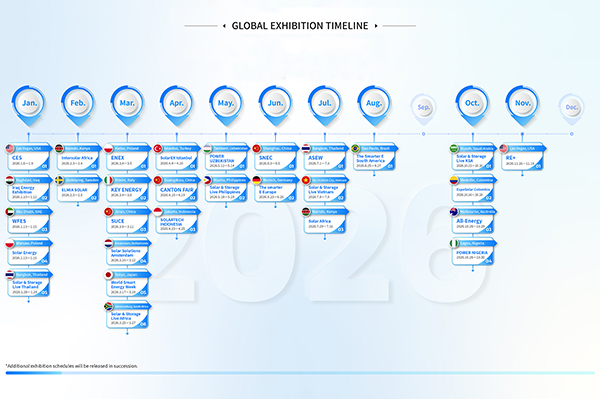 GLOBAL EXHIBITION TIMELINE
*Click to view larger image
-
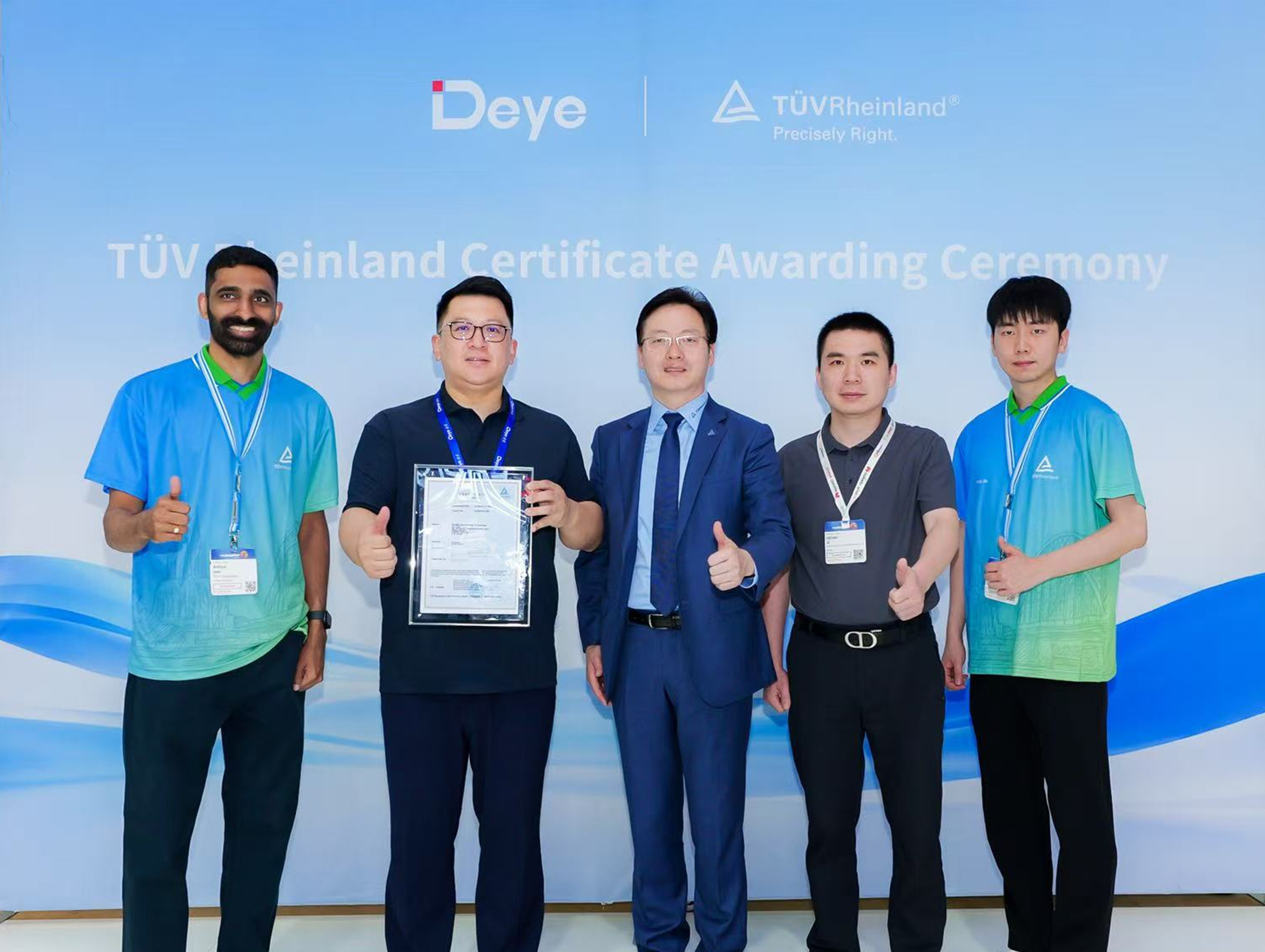 Deye Secures Multiple TÜV Rheinland Certifications at The smarter E Europe
On June 23, the opening day of The smarter E Europe 2026, Deye was officially awarded several presti...
-
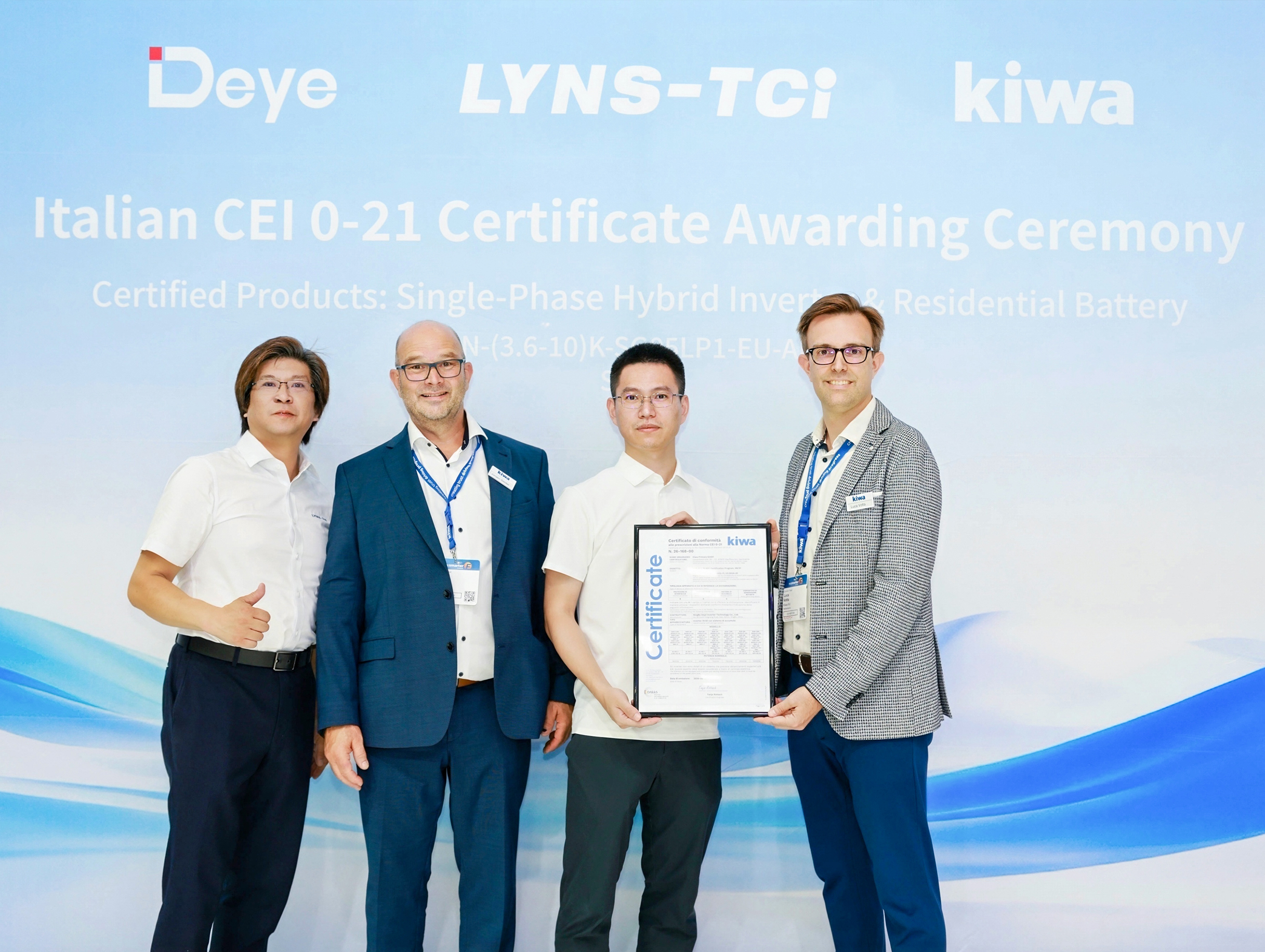 Deye Next-Gen Residential Energy Storage Products Receive Italian CEI 0-21 Certification from Kiwa
At The smarter E Europe 2026, Deye, a leading supplier of inverters and energy storage solutions, of...

Copyright@ 2024.Ningbo Deye Inverter Technology Co.,Ltd. All rights reserved. Solar Inverter Manufacturer
